How to Master Quick Changeover on Your Biscuit Flipper
One Machine, Many Biscuits: Mastering Quick Changeover on Your Flipper
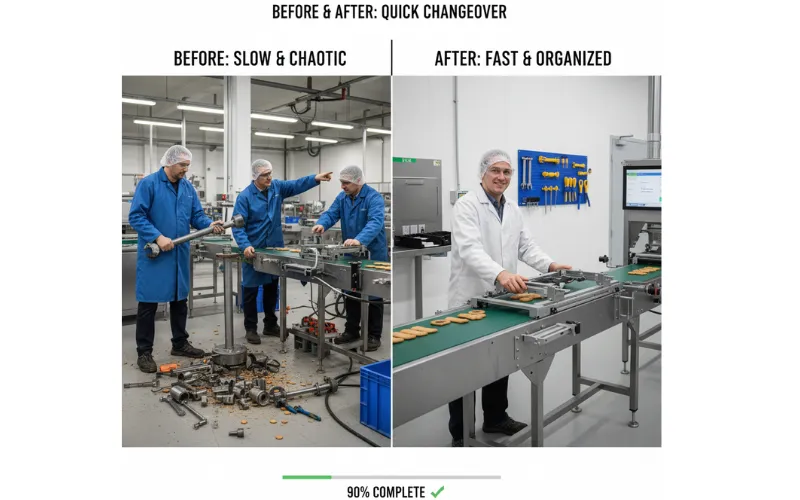
By: Ricardo Silva, Senior Production Line Specialist at EverSmart
Ricardo has optimized production lines in over 50 biscuit and wafer factories worldwide, with a specialized focus on reducing changeover times and maximizing OEE through advanced automation.
In today's market, a bakery's profitability is tied to its agility. This flexibility is a core component of a successful
This guide transforms that bottleneck into your greatest asset for flexibility, detailing how to engineer changeover times down from hours to under ten minutes.
The High Cost of Slow Changeover: More Than Just Downtime
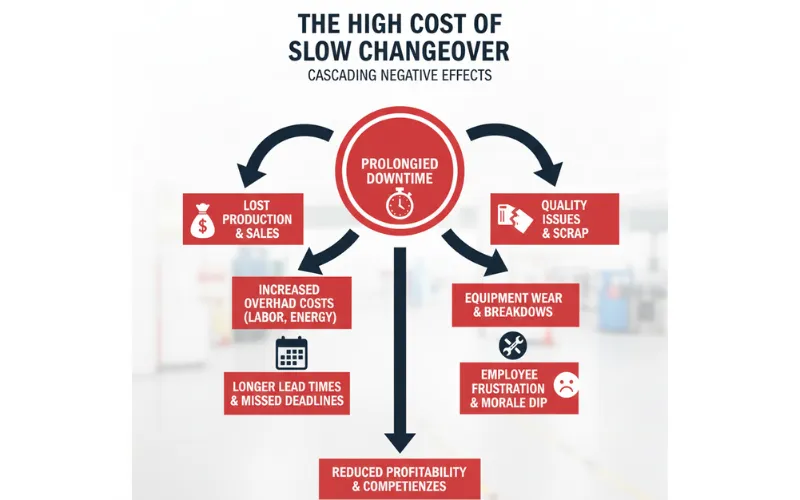
Slow changeovers have a cascading, negative effect on your factory's efficiency and bottom line. In a competitive environment like Brazil's manufacturing sector, these hidden costs can erode your market position.
Lost Production Time: Every minute of changeover is a minute of zero output. A 2-hour changeover twice a day equals a full shift of lost production per week.
Wasted Material: Lengthy changeovers often involve running product to "dial in" settings, leading to kilograms of wasted biscuits and cream.
Reduced Overall Equipment Effectiveness (OEE): Availability is a key pillar of OEE. Long changeovers directly and dramatically lower your OEE score, a critical KPI for plant managers.
ROI Spotlight: The Financial Case for Quick Changeover
The financial impact is staggering. This table illustrates the value of reducing changeover time for a line running two changes per day.
| Scenario | Slow Changeover (120 mins) | Quick Changeover (15 mins) | Annual Impact (250 work days) |
| Daily Downtime | 240 minutes | 30 minutes | +210 minutes of production daily |
| Weekly Lost Production | ~20 hours | ~2.5 hours | +17.5 hours of weekly capacity |
| Annual Value | Significant Lost Revenue | Minimal Downtime | +875 hours of production capacity |
The 3-Pillar Framework for Rapid Changeover
Achieving lightning-fast changeovers is a discipline built on mechanical, digital, and human elements.
Pillar 1: Mechanical & Hardware Solutions
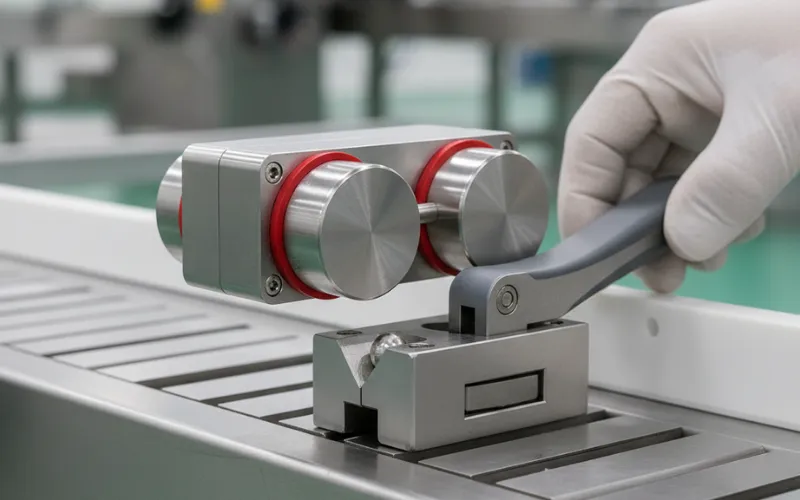
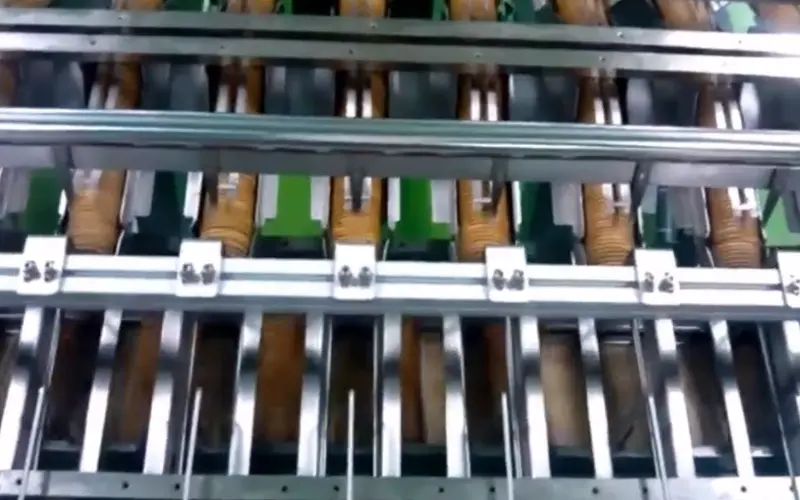
Quick-Release Grippers & Tooling: Replace bolted-on parts with magnetic or cam-lock systems that can be swapped in seconds without tools.
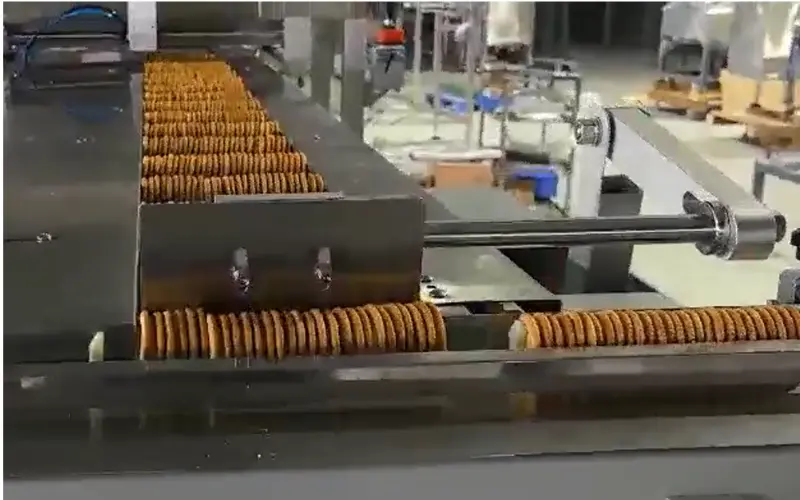
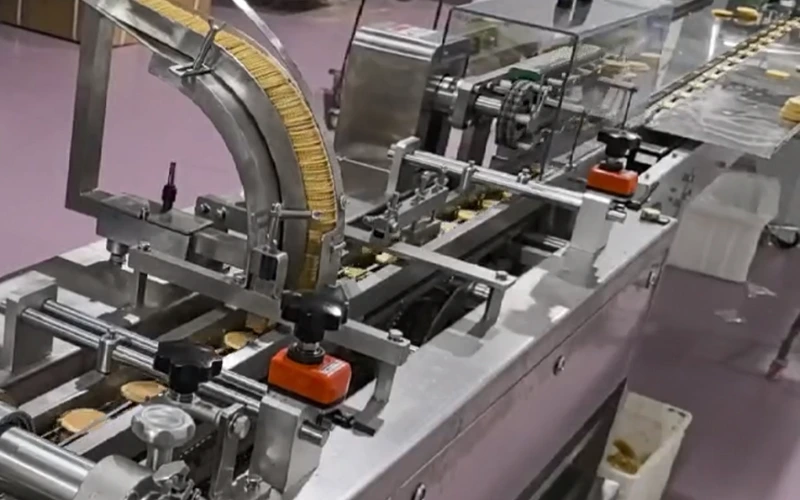
Modular Guide Rails: Implement adjustable guide rails with hand-knobs and laser-etched measurement marks instead of bolts, allowing for width adjustments in under a minute.
Centralized Adjustment Points: Design the system so all critical adjustments can be made from one or two accessible locations.
Pillar 2: Digital & Control System Integration (The "Recipe" Hub)
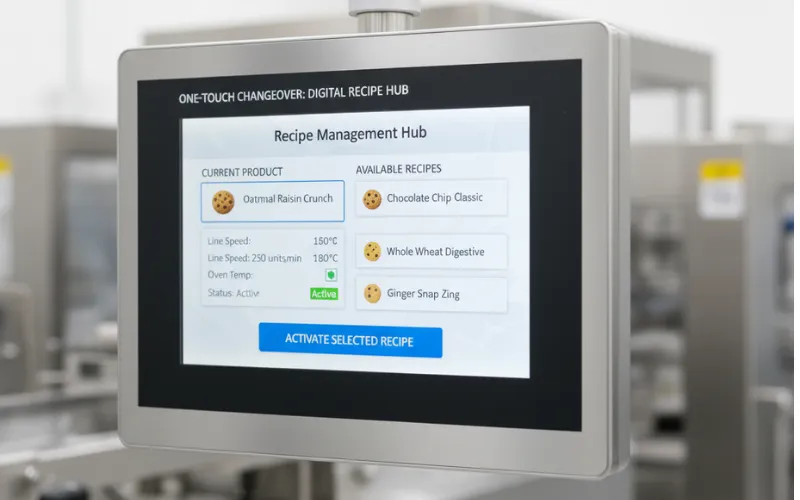
This is where modern
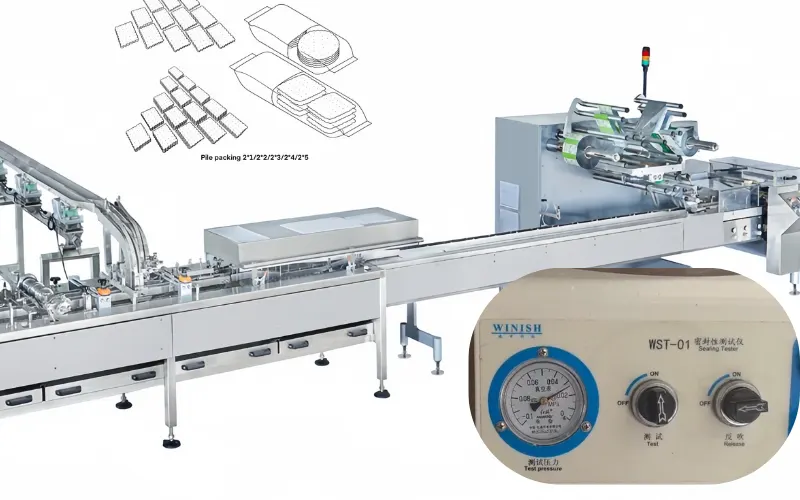
HMI Recipe Management: The Human-Machine Interface (HMI) should store all machine parameters (speed, vacuum pressure, flip timing) as named "recipes" (e.g., "Shortbread," "Chocolate Wafer").
One-Touch Changeover: The operator simply selects the new product recipe. The system automatically adjusts all servo-driven parameters to the pre-validated settings.
Pillar 3: The Human Element: SOPs & Team Training
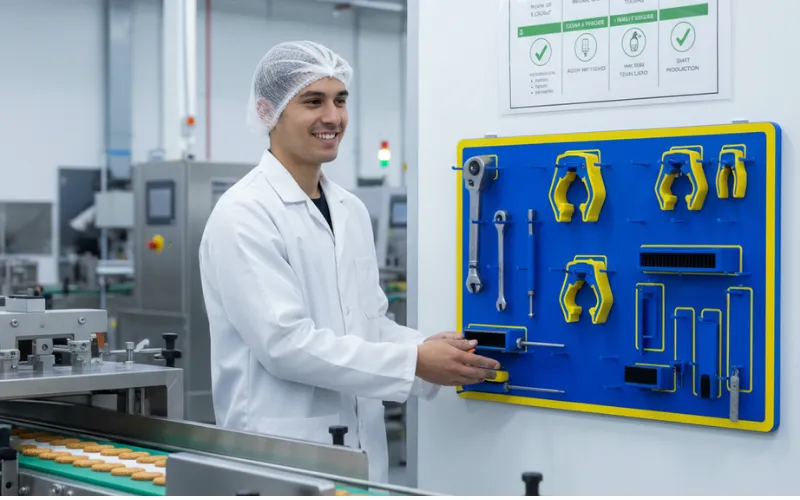
Standardized Work Instructions: Create clear, visual Standard Operating Procedures (SOPs) for each changeover.
Dedicated Tool Kits: Provide a shadow-board toolkit with all necessary tools at the machine, so no time is wasted searching.
Cross-Training: Ensure multiple team members are proficient in the changeover procedure.
Your Practical Quick-Changeover Checklist
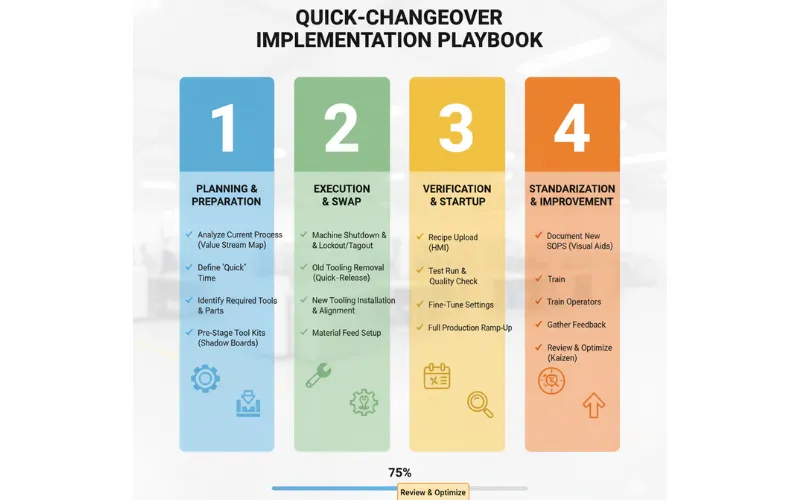
Implement this actionable checklist to slash your changeover times.
[ ] Phase 1: Preparation (Before the last batch ends)
Have the next product's parts (if any) ready and cleaned.
Select the next product recipe on the HMI.
Ensure raw materials for the next product are staged at the line.
[ ] Phase 2: Execution (Machine Stopped)
Swap any mechanical parts and adjust guide rails to the new width.
Visually confirm all settings match the SOP.
[ ] Phase 3: Validation (First Articles)
Run a small batch of the new product.
Verify flip accuracy and transfer to the downstream
sandwiching machine
⚠️ Troubleshooting Tip: If you experience consistent misalignment after a changeover, it's likely a mechanical calibration issue. Consult our
for a step-by-step diagnostic. Biscuit Flipper Troubleshooting Guide
FAQ: Solving Common Changeover Challenges
1. We have a very old flipper. Can we still implement quick changeovers?Yes, but with limitations. You can fully implement SOPs and dedicated tool kits. For hardware, you can often retrofit simple quick-release handles. Full HMI recipe control may require a control system upgrade, which often has a strong
2. How do we create the initial "recipes" for our products?During commissioning or a planned stop, run each product and meticulously document the optimal machine settings. Save these as your baseline recipes and fine-tune them over subsequent runs.
3. What is a realistic target for changeover time on a modern flipper?With a well-trained team and a properly equipped machine, achieving a changeover in under 10 minutes is a realistic and powerful goal.
Conclusion: Agility is Profitability
Mastering quick changeover is not a luxury; it is a direct path to higher profitability and improved OEE. By focusing on the three pillars of hardware, software, and human factors, you can transform your flipping station from a rigid fixture into the most versatile point on your production line.
To explore the core technology that enables this flexibility, see our main
For a broader context on the overall strategy, return to our central pillar page:
Ready to engineer agility into your production line? Contact our efficiency experts for a free changeover analysis.
Sofia | Export Vice President | EverSmart WhatsApp: +86 137 94619343 Email: [email protected]

Ready to start your journey toward a customized solution? Contact me directly on WhatsApp to begin the conversation.