Why Flip? The Critical Role of Biscuit Orientation in Automated Baking
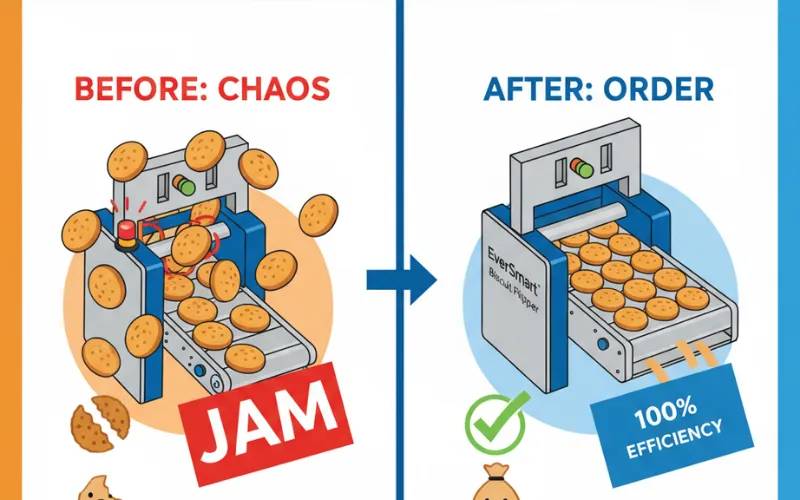
In a modern, high-volume bakery, the journey from a hot oven to a sealed package is a symphony of automation. Products emerge perfectly baked, then embark on a long journey down cooling conveyors. But between the cooling line and the wrapper lies a hidden bottleneck—a critical stage where chaos can derail the entire process and cripple efficiency.
This is the challenge of product orientation.
This comprehensive guide explains why correctly orienting—and often flipping—biscuits is a mission-critical step for any automated bakery in Brazil or across the globe.
Table of Contents
The Problem: From Oven Order to Post-Cooler Chaos
Why It's Mission-Critical: The Demands of Downstream Automation
Core Applications: The Primary Reasons to Flip & Orient
The High Cost of Getting It Wrong
The Solution: An Overview of Orientation Technology
Real-World Results: A Look at the Data
Implementation & Operation: What to Expect
Frequently Asked Questions (FAQ)
The Problem: From Oven Order to Post-Cooler Chaos
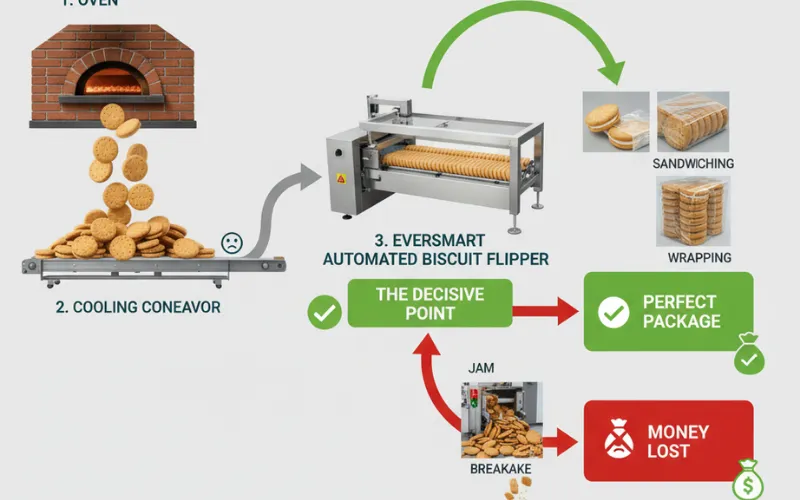
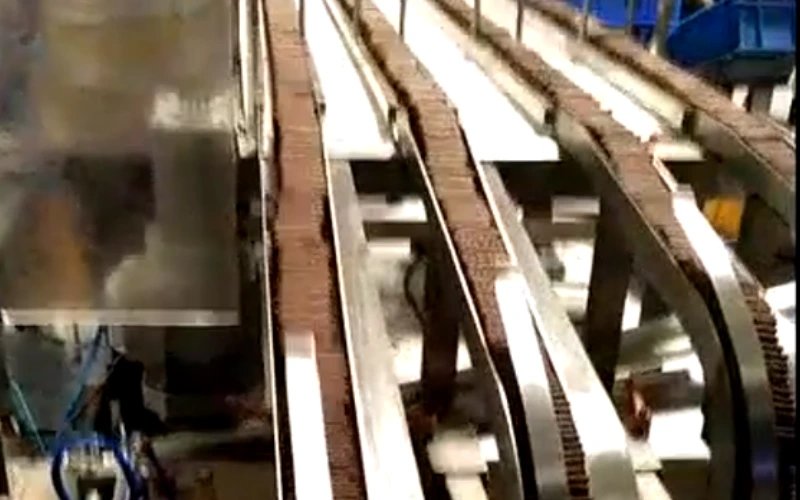
Biscuits exit the oven in perfect, orderly rows. But after traveling hundreds of feet on cooling conveyors and navigating multiple transfer points, that order is lost.
This happens for several reasons:
Conveyor Transfers: Each point where a biscuit moves from one belt to another is an opportunity for it to shift or turn.
Vibrations: The subtle vibration of a long conveyor system causes products to drift out of their lanes.
Speed Variations: Minor differences in belt speeds can cause rows to lose their perfect spacing.
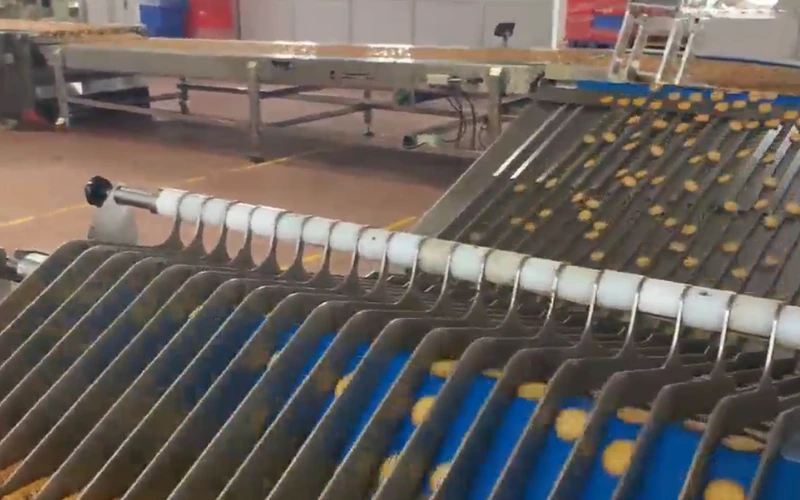
What was a neat pattern is now a disorganized spread of products, which is a major problem for the next stage of automation.
Why It's Mission-Critical: The Demands of Downstream Automation
Automated equipment—such as sandwiching machines, stackers, and high-speed wrappers—are precision instruments. They are "blind" and expect a perfectly consistent and correctly oriented flow of product.
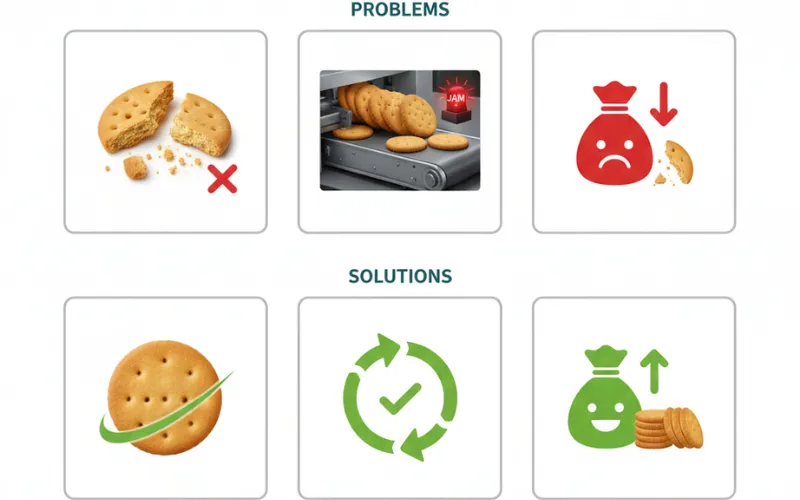
Feeding them a chaotic stream of biscuits is a recipe for disaster. It leads directly to chronic
Core Applications: The Primary Reasons to Flip & Orient
The decision to invest in orientation equipment is driven by the strict requirements of profitable, value-added processes.
For Biscuit Sandwiching: This is the #1 reason to flip biscuits. A sandwiching machine needs half the biscuits with their flat base facing up (to receive cream) and the other half facing down (to act as the cap).
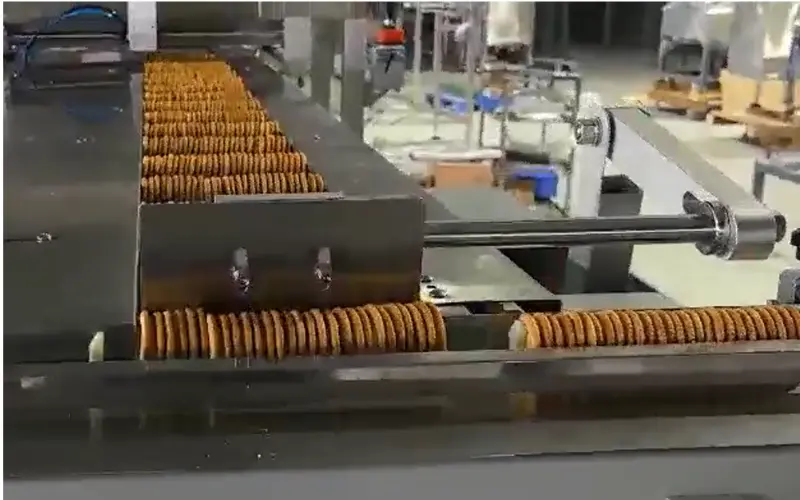
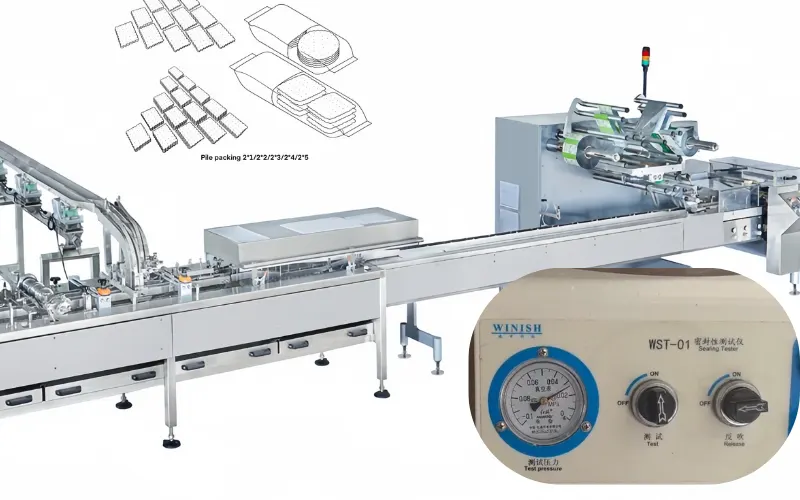
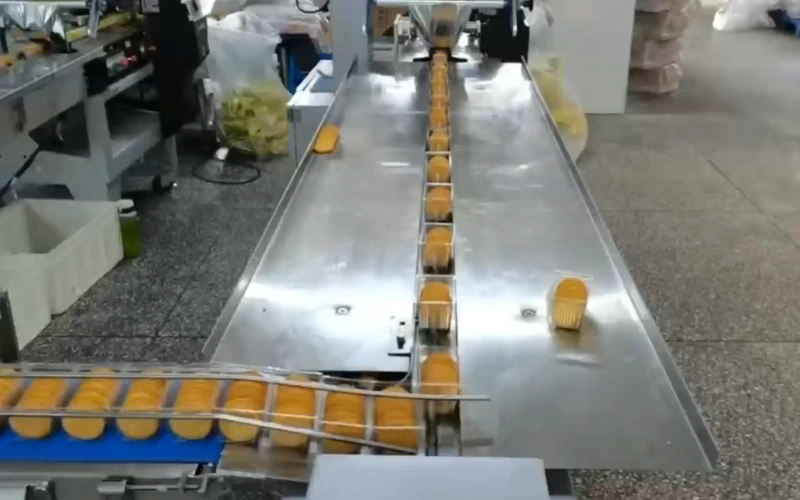
For Stacking & Wrapping: High-speed wrappers require biscuits to be arranged in neat, counted groups ("slugs"). Proper orientation is the essential first step for this process.
For Product Quality: Flipping can also be a quality tool. For premium products, using the right technology is key to
flipping delicate biscuits without breakage
The High Cost of Getting It Wrong
For a Financial Manager or Factory Owner, failing to address the orientation bottleneck comes with significant and measurable operational costs: product breakage, chronic downtime, and high labor costs.
These factors directly impact your profitability. To understand the full financial impact and justify an upgrade, it's crucial to perform a detailed analysis.
The Solution: An Overview of Orientation Technology
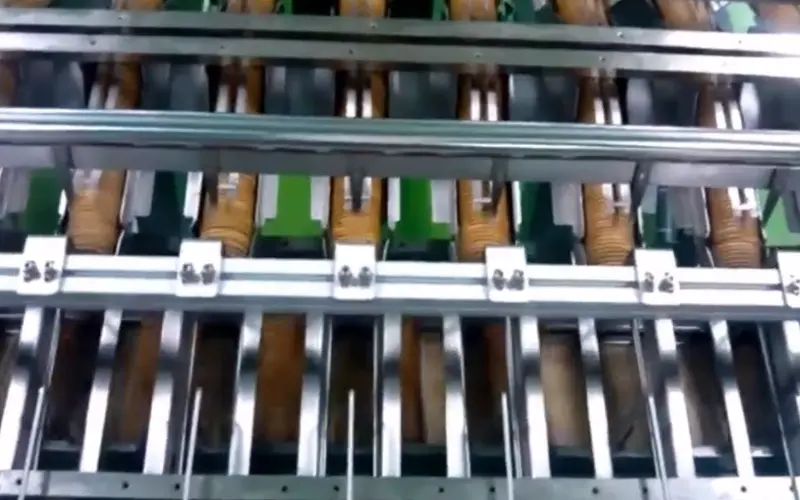
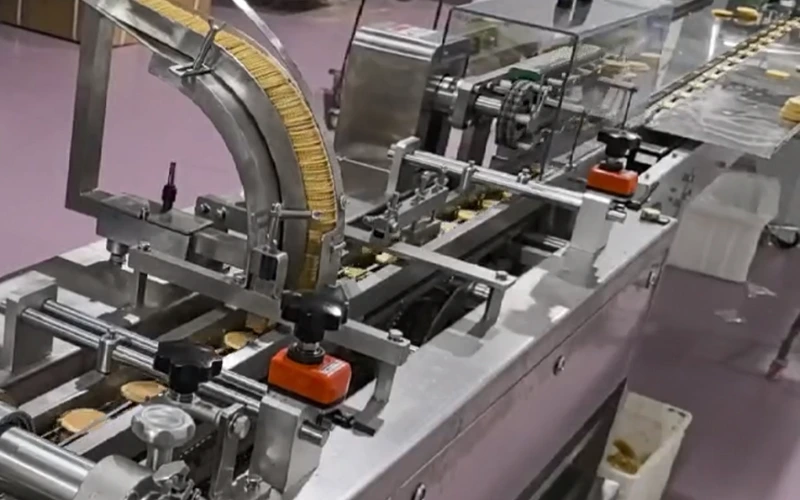
Fortunately, a range of automated solutions exists to solve the orientation challenge. The heart of this solution is the biscuit flipper. These machines use sophisticated mechanics to gently and precisely turn over products at high speeds.
See the Machine:
The 180° Biscuit Flip Machine: A Technical Deep Dive & Buyer's Guide
The two leading technologies for the flipping action are vacuum drums and turnover belts, each suited for different product types.
Compare the Tech:
Vacuum Drum vs. Turnover Belt: Choosing the Right Technology 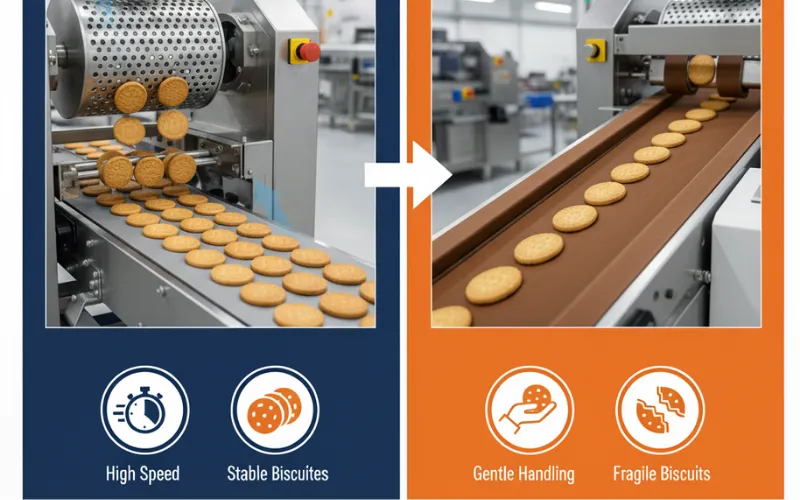
Real-World Results: A Look at the Data
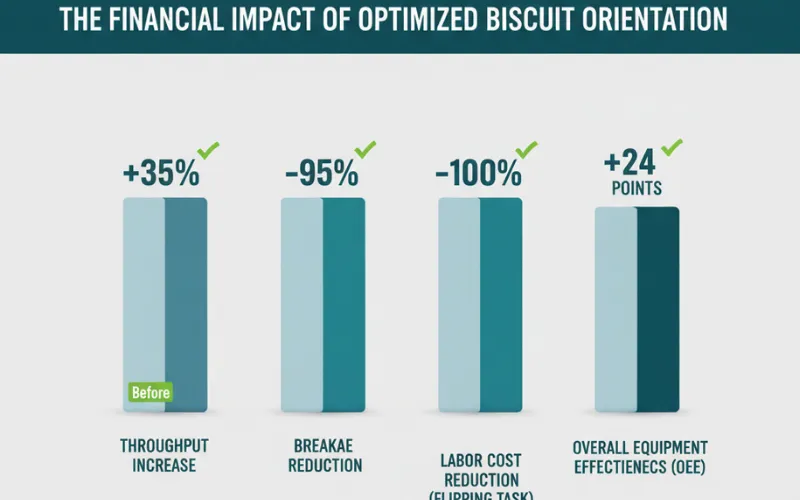
The impact of solving the orientation bottleneck is not theoretical. As our recent projects show, a strategic automation upgrade can transform a production line.
Read the Full Story:
Case Study: Boosting Sandwiching Line Throughput by 35%
Implementation & Operation: What to Expect
Integrating and running this equipment is a straightforward engineering project that yields massive returns in efficiency. Key operational considerations include:
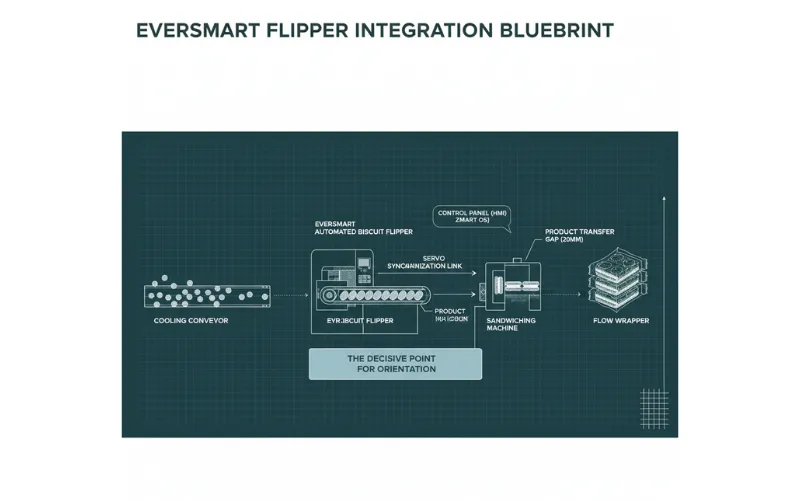
Integration: Seamlessly connecting the flipper with your existing equipment.
The How-To:
An Engineer's Guide to Integration Versatility: Quickly changing the machine's settings to handle different biscuit shapes and sizes.
The How-To:
Mastering Quick Changeover on Your Flipper Maintenance & Reliability: Following a simple preventative maintenance routine to ensure maximum uptime.
The How-To:
Daily Maintenance & Cleaning Checklist
Frequently Asked Questions (FAQ)
1. What is biscuit orientation?It's the process of ensuring every biscuit on a production line is in the correct position (e.g., flat-side up, perfectly spaced) to be accepted by the next automated machine.
2. Is automated orientation only for sandwiching?No. While sandwiching is the most common reason for flipping, proper orientation is essential for any high-speed automated process, including stacking, enrobing, and cartoning.
3. Is this technology difficult to implement?No. A modern biscuit flipper is designed for seamless integration. A well-planned project, as outlined in our engineer's guide, can be completed in just a few days.
Ready to solve your line's hidden bottleneck?
Sofia | Export Vice President | EverSmart WhatsApp: +86 137 9461934 Email: [email protected]

Ready to start your journey toward a customized solution? Contact me directly on WhatsApp to begin the conversation.