How Long Does Packaging Machine Changeover Take? Touchscreen or Tooling?
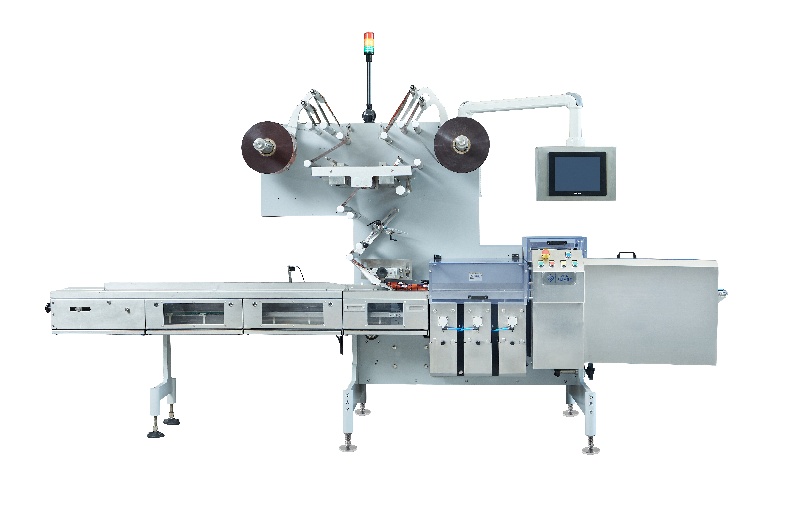
In today’s multi-SKU, short-run production environment, packaging flexibility is critical. I’m Sofia, Vice President at EverSmart, where we help manufacturers optimize packaging lines. Clients often ask: “How long does it take to change product sizes or packaging combinations? Do we need to stop the machine? Is it just touchscreen settings, or do we need to swap parts?” This guide explores changeover times, methods (manual, semi-automatic, automated), and solutions to minimize downtime for industries like food, pharmaceuticals, and cosmetics in Europe and North America.
Why Changeover Time Matters
Every minute a packaging line is idle costs money—lost output, labor expenses, and potential quality issues. Frequent changeovers for diverse formats (e.g., different biscuit sizes and different packaging configurations) reduce efficiency. Cutting changeover time boosts Overall Equipment Effectiveness (OEE) and profitability.
Example: A 30-minute changeover twice daily on a food packaging line costs $2,000/day (assuming $1,000/hour downtime).
Types of Packaging Machine Changeovers
Changeovers vary by equipment and automation level. Here are the three main types:
1. Manual Changeover
Operators manually adjust guides, conveyor widths, or replace parts like feeding chains.
Pros: Low cost, suits small operations.
Cons: 20–30 minutes, relies on skilled labor, risks misalignment.
Best for: Low-volume, infrequent changes (e.g., small scale cookie lines).
2. Tool-Assisted Semi-Automatic Changeover
Uses quick-release handles and positioning guides.
Pros: 10–30 minutes, repeatable, fewer errors.
Cons: Requires manual input, moderate training.
Best for: Medium-volume lines (e.g., cosmetics).
3. Automated/Servo-Driven Changeover
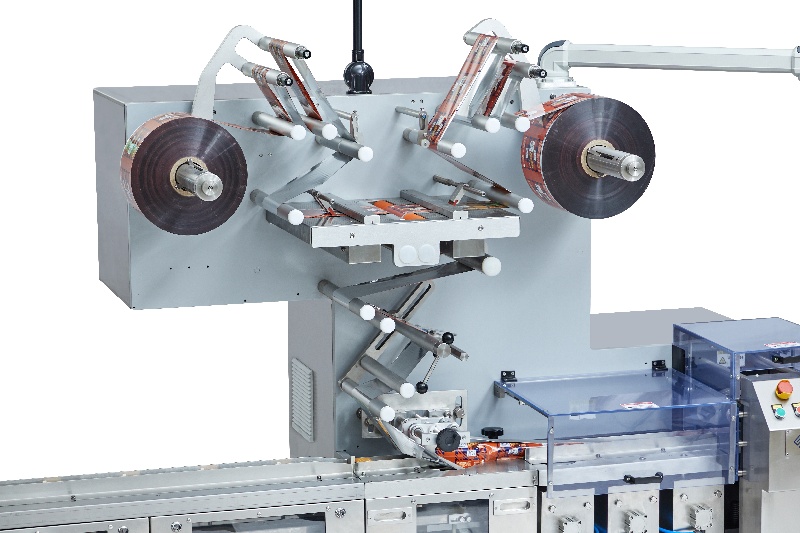
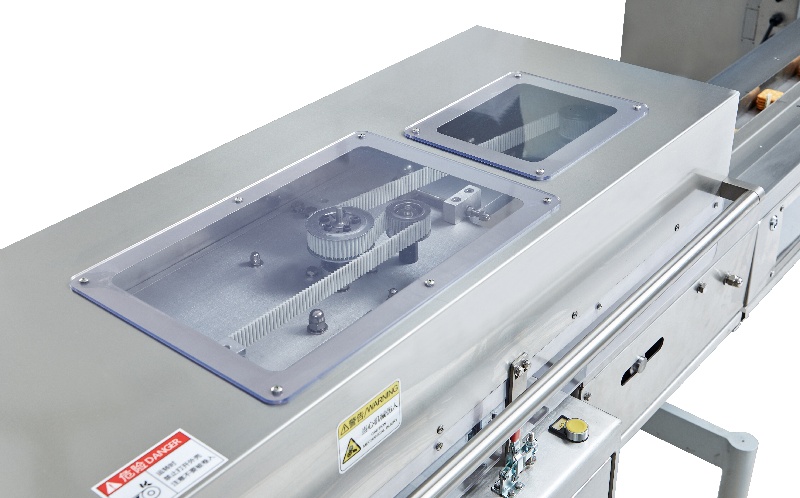
Servo motors and touchscreen HMI adjust settings via preprogrammed recipes.
Pros: <5 minutes, accurate, ideal for multi-SKU lines.
Cons: Higher upfront cost, needs integration.
Best for: High-speed, multi-format lines (e.g., biscuit, cookie, wafer, potato chips etc).
How Long Does Changeover Take?
Times depend on equipment, format complexity, and operator skill:
| Changeover Type | Time | Industry Example | Cost ($1,000/hr downtime) |
|---|---|---|---|
| Manual | 30–60 min | Food sizes vary too different | $500–$1,000 |
| Semi-Automatic | 10–30 min | Fodo sizes similar, packing vary | $167–$500 |
| Automated | <5 min | Limited food sizes and packing | <$83 |
Case Study: A Korean snack brand reduced changeover from 35 to 5 minutes with EverSmart’s servo-driven machine, saving 480 hours annually and boosting line availability by 12%
Changeover Time Comparison:
Touchscreen or Mechanical Tooling?
The method depends on your machine:
Entry-Level: Mechanical changes (e.g., chains, molds). Time: 10–60 minutes.
Hybrid: Motorized adjustments with minimal manual steps. Time: 5–20 minutes.
Advanced: Touchscreen HMI with recipe memory. Time: 1–5 minutes.
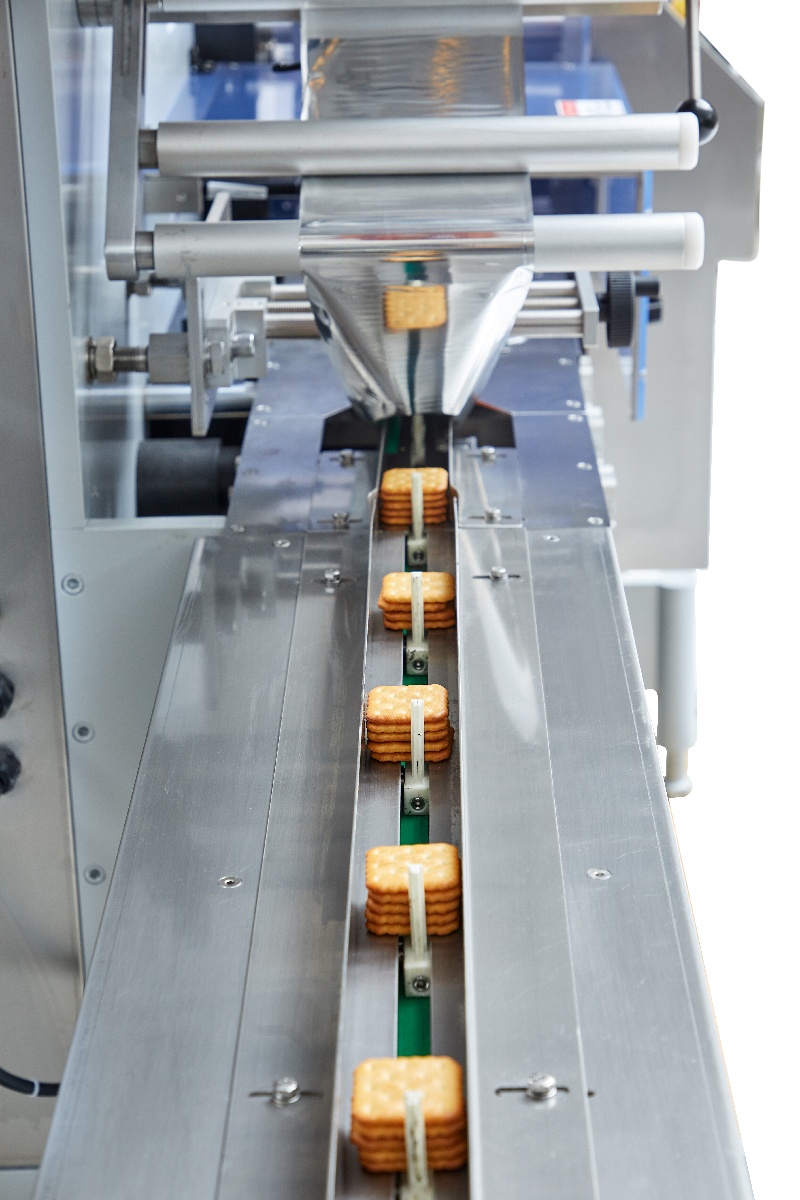
Example: Switching from 10 pieces biscuits per package to 6 pieces biscuits per package on automatic packaging line takes <5 minutes via HMI on an automated machine, vs. 30 minutes manually [Web ID 0].
Rule of Thumb:
3 daily changes? Go automated.
Long batches? Tool-assisted is enough.
Changeover Steps: A Practical Guide
1. Touchscreen Changeover (Automated)
Open HMI, select recipe (e.g., “45dia meter biscuit”).
Verify parameters (e.g., conveyor speed, packaging quantity).
Test 10–20 units for quality.
Resume production. Time: 1–5 minutes.
2. Mechanical Changeover (Manual/Semi-Automatic)
Power off for safety.
Swap parts (e.g., starwheels) using quick-release tools.
Adjust guides, calibrate.
Test 10–20 units. Time: 10–60 minutes.
Quality Tip: Check sealing, filling accuracy, and stability post-changeover to prevent leaks or tipped containers [Web ID 15].
Changeover Flow:
Start → Select Recipe (HMI) or Swap Parts → Adjust → Test Units → Verify Quality → Resume Production
Industry-Specific Changeover Needs
Changeovers differ by industry:
Food & Beverage: Biscuit size changes need chains or sealing adjustments (10–30 min semi-automatic, <5 min automated). Hygiene adds 5–10 min cleaning.
Pharmaceuticals: Vial or syringe changes require validation, adding 5–15 min. Automated systems ensure precision.
Cosmetics: Frequent SKU switches (e.g., jars to tubes) favor automated systems (<5 min) [Web ID 13].
Case Study: A Malaysia wafer plant cut changeover from 40 to 4 minutes with EverSmart’s automated system, saving $60,000/year in downtime.
Global Standards for Europe
Packaging machines must meet regional standards:
Europe: CE compliance, suited for multi-SKU food packaging [Web ID 14].
Terminology like “format change” or “changeover” is standard in English-speaking markets.
Is Automated Changeover Worth It?
Automated systems cost $50,000–$400,000 but deliver:
Savings: 100 hours/year downtime reduction ($50,000 at $500/hour).
ROI: 1–2 years, faster for multi-SKU lines.
Benefits: Reduced labor, consistent quality, new format flexibility.
Example: A European biscuit firm recovered a $75,000 investment in 14 months via reduced downtime [Web ID 10].
Can Older Machines Be Upgraded?
Many machines can be retrofitted with:
Servo motors for automation.
HMI upgrades for recipe memory.
Quick-release tooling.
Contact EverSmart to assess retrofit options.
Frequently Asked Questions (FAQ)
Q1: Can changeovers happen without stopping the machine?
A: Some adjustments are live, but most need a brief stop (1–5 min for automated).
Q2: Do all changeovers require part replacements?
A: Automated systems use a touchscreen; manual systems may need starwheels or molds.
Q3: Is automated changeover cost-effective?
A: Yes, for >3 daily changes, with ROI in 1–2 years.
Q4: How to ensure quality after changeover?
A: Test 10–20 units for sealing, filling, and stability.
Q5: Is it suitable for fully automatic if there are many types packaging groups and food sizes?
A: Not suggested, as fully automatic is more economic considering big volume production and limited packing groups, otherwise frequent changeover will increase the cost.
Changeover Summary
| Type | Time | Industry | Cost ($1,000/hr downtime) |
|---|---|---|---|
| Manual | 30–60 min | Food (low-volume) | $500–$1,000 |
| Semi-Automatic | 10–30 min | Cosmetics | $167–$500 |
| Automated | <5 min | Pharma/High-SKU | <$83 |
Conclusion
Fast changeovers are a competitive edge. Whether packaging food, pharmaceuticals, or cosmetics, minimizing downtime boosts revenue. EverSmart’s servo-driven machines, with multilingual HMI and 24/7 support for global, cut changeover times to minutes.
Contact Sofia at EverSmart
📞 Phone: +86-0757-22207105
📱 WhatsApp: +86 13794619343
📧 Email: [email protected]
Optimize your packaging line today.

Ready to start your journey toward a customized solution? Contact me directly on WhatsApp to begin the conversation.