How Are Mini Oreos Made? | Step-by-Step Factory Process & Machinery
How Are Mini Oreos Made? The Industrial Manufacturing Process Explained
Mini Oreos have become a global sensation, beloved for their iconic design and perfect, bite-sized crunch. While millions enjoy them every day, few people stop to think about the incredible food engineering and precision machinery required to produce them on such a massive scale. The exact recipe is a closely guarded secret of Mondelez International (Oreo's parent company), a leader in the global snack food industry. However, for those curious about how Oreo is made or the science behind it, resources like The Chemistry of Oreos provide a fascinating dive into the ingredient functionality. From an engineering perspective, the industrial Oreo making in factory conditions is a fascinating journey of technology and precision.
In this article, we’ll pull back the curtain and break down how are mini oreos made step by step, from mixing the raw dough to the final packaged product.
Step 1: Ingredient Mixing & Preparation - The Foundation of Flavor
The journey of every Oreo biscuit begins with the precise combination of raw Oreo ingredients. This stage is critical, as it sets the stage for the final product's taste, texture, and consistency.
The Process:
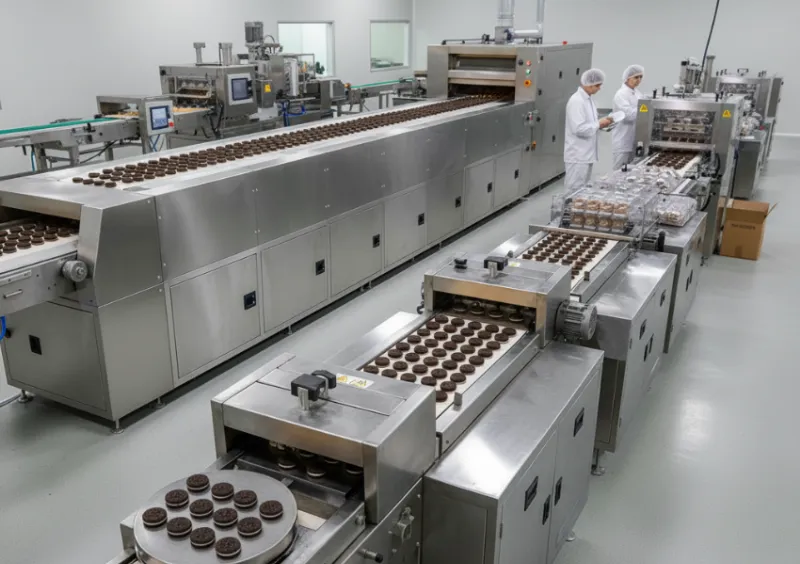
In an industrial setting, large quantities of dry ingredients—primarily flour, sugar, and cocoa powder—are combined in massive horizontal dough mixers. Wet ingredients, including water, oils, and leavening agents, are then added in a controlled sequence. The mixer's powerful arms knead the components into a uniform, homogenous dough with a specific viscosity. Achieving this perfect consistency is non-negotiable; any variation can affect every subsequent step in the production line.
The EverSmart Connection:
This initial step relies on heavy-duty, sanitary industrial dough mixers designed for consistency and volume. At EverSmart, our mixers are engineered for precisely this purpose: to ensure every batch of dough is perfectly blended, providing the flawless foundation your biscuit production depends on.
Step 2: Forming the Mini Cookie Wafers - Precision at Scale
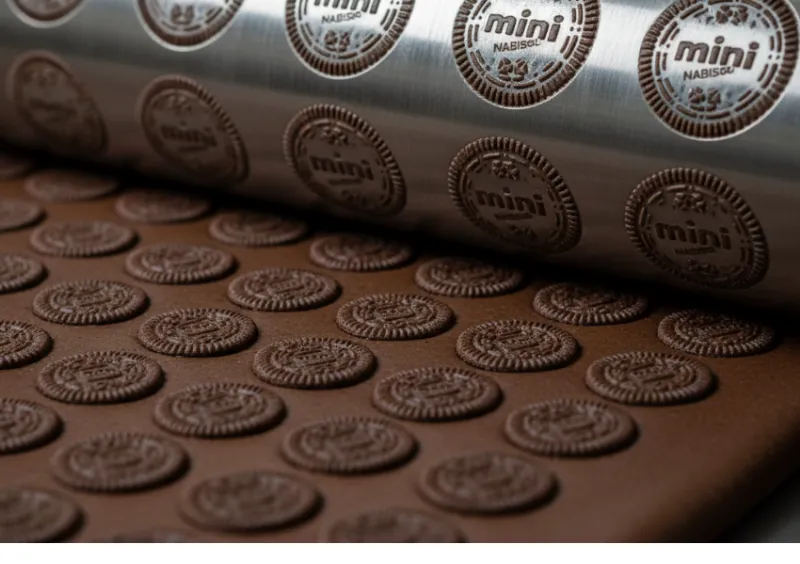
Once the dough has reached its ideal consistency, it moves to the most visually distinctive part of the process: forming the iconic mini circles with their detailed embossed designs. This is a key to understanding how do they make Oreos so uniform.
The Process:
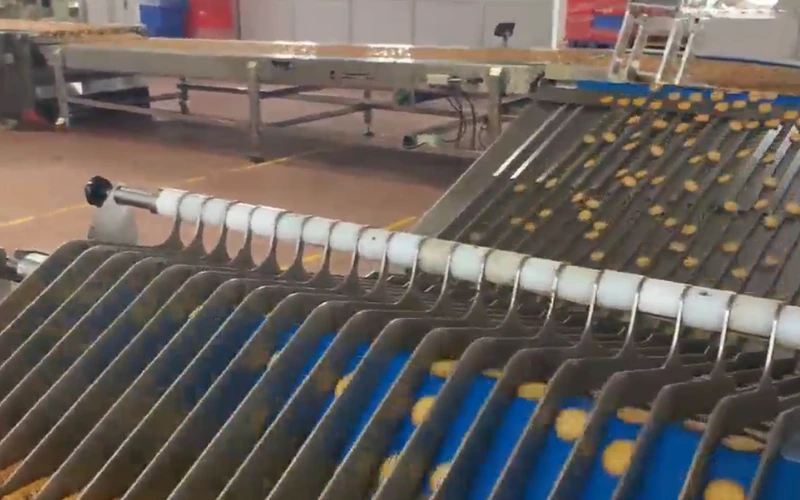
The dough is fed through a series of rollers that precisely shape it into a thin, even sheet. This sheet is then transferred to the heart of the forming operation: a rotary moulding machine. Unlike simple cutting, rotary moulding uses a roller engraved with the classic Oreo design to simultaneously cut the dough into its perfect mini-circle shape and imprint the intricate design onto each wafer. The excess dough is scraped away and recycled, ensuring zero waste.
The EverSmart Connection:
Creating millions of identical, detailed wafers requires a high-precision rotary biscuit molding machine. At EverSmart, we specialize in manufacturing robust and precise sandwich biscuit making machines capable of this exact high-detail forming, a critical component for any modern biscuit production line.
For a deeper look at the history of how Oreo was created and its evolution, check out our comprehensive guide on Everything About Mini Oreos.
Step 3: Baking & Cooling - The Transformation
The formed wafers now embark on a thermal journey that transforms them from soft dough into crisp biscuits. This stage is often highlighted in any how its made oreos episode.
The Process:
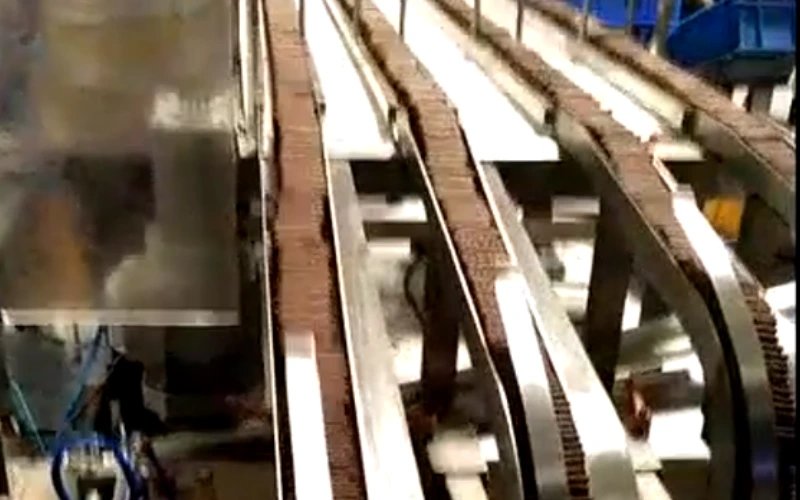
The stamped dough pieces travel on a continuous wire mesh band through a multi-zone travelling band oven. Each zone has a carefully controlled temperature and humidity level to bake the wafers evenly without burning or cracking.
After baking, the wafers immediately enter a long cooling conveyor. This stage is just as critical as baking; it allows the biscuits to firm up and achieve their final rigid structure and signature crunch.
Step 4: Cream Preparation & Application - The Heart of the Operation
While the wafers are baking and cooling, the sweet, creamy filling is being prepared in a parallel process.
The Process:
The cream ingredients are combined in a continuous cream mixer until they reach a light, fluffy, and perfectly consistent texture. This cream is then fed to the most specialized machine on the production line: the automatic sandwiching machine.
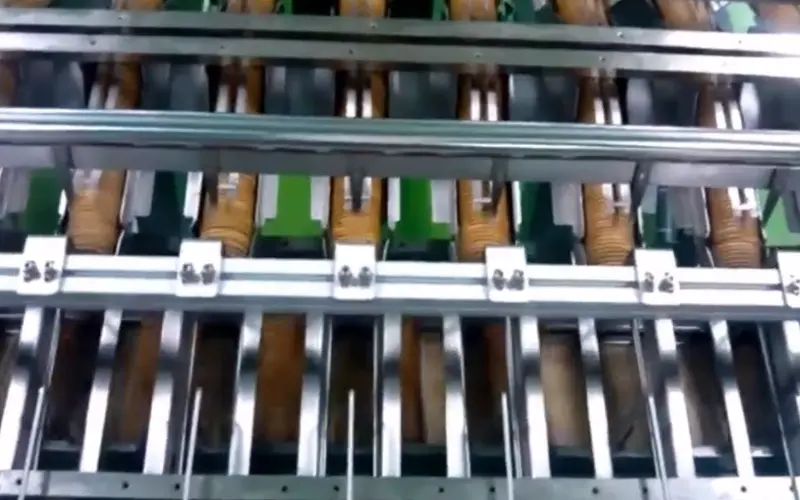
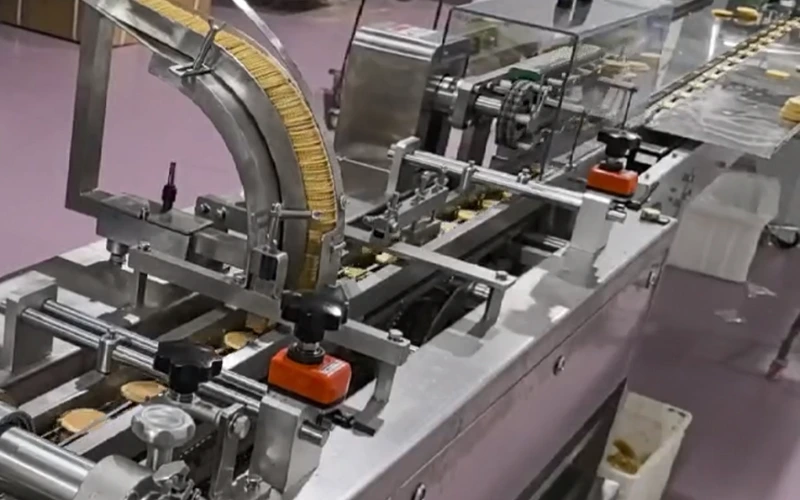
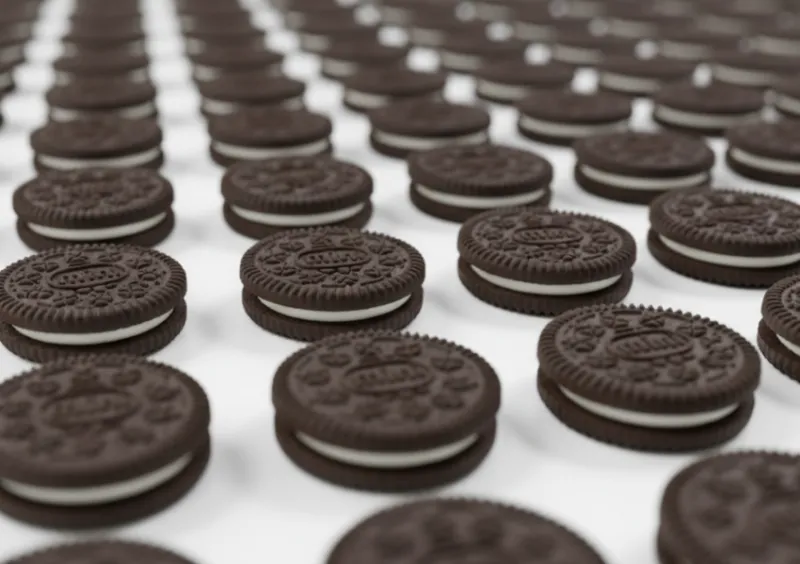
This machine precisely orients the baked base wafers, deposits a perfectly measured dollop of cream onto each one, and then places a top wafer onto the cream at high speed. The precision here is amazing—the amount of cream must be exact to ensure a consistent taste and to prevent it from spilling out the sides.
The EverSmart Connection:
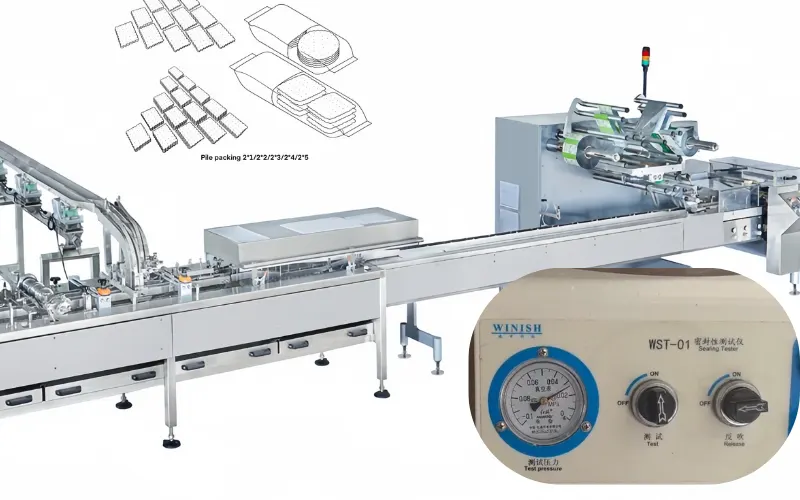
This is the core of the sandwich biscuit line. The sandwich biscuit machine is arguably the most important machine for defining your final product's quality. Our high-speed sandwiching machines are designed for flawless accuracy, reliability, and easy cleaning, ensuring your product has a perfect cream-to-wafer ratio and a pristine appearance every time.
Interested in large-scale production? Our procurement guide offers insights into sourcing ingredients and equipment for bulk operations.
Step 5: The Final Sandwich & Packaging
The assembled biscuits are lightly pressed to ensure a secure seal and then pass through a secondary cooling tunnel to set the cream completely.
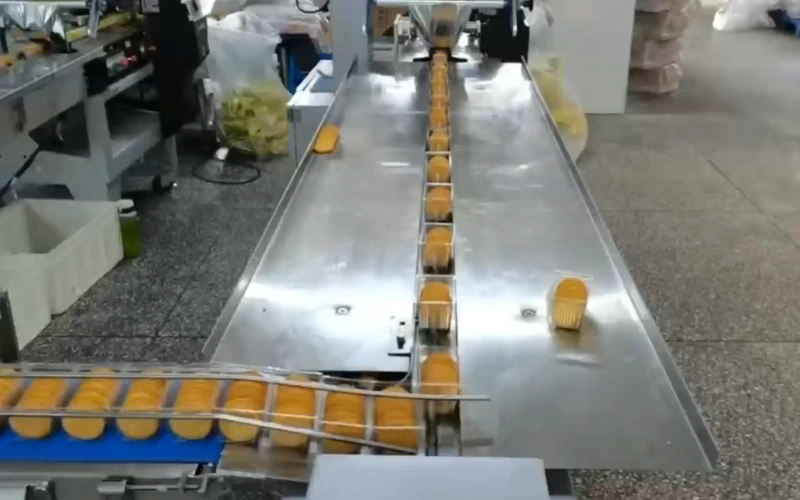
Finally, they are conveyed to automated packaging machines. This is where a process described by a Quora user comes into play:
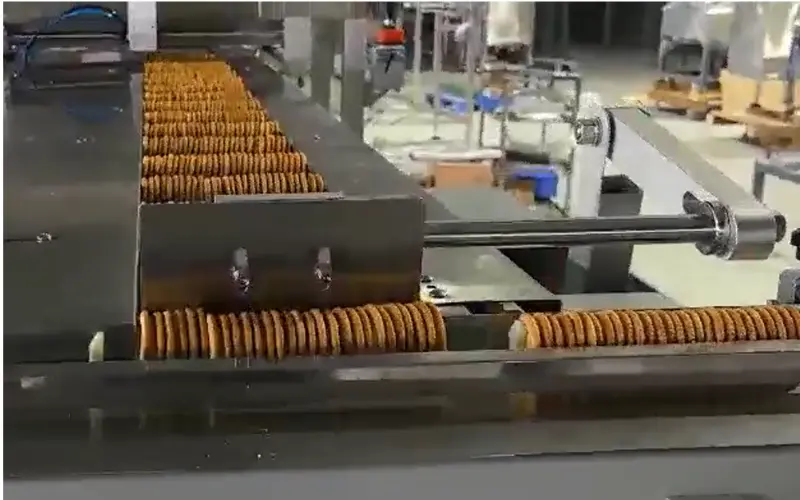
"One person said: '...the cookies slide down a metal tray one on each side with the cream coming out the middle. The cookies come together and... they are scooped up and placed into the tray. And it keeps repeating.'"
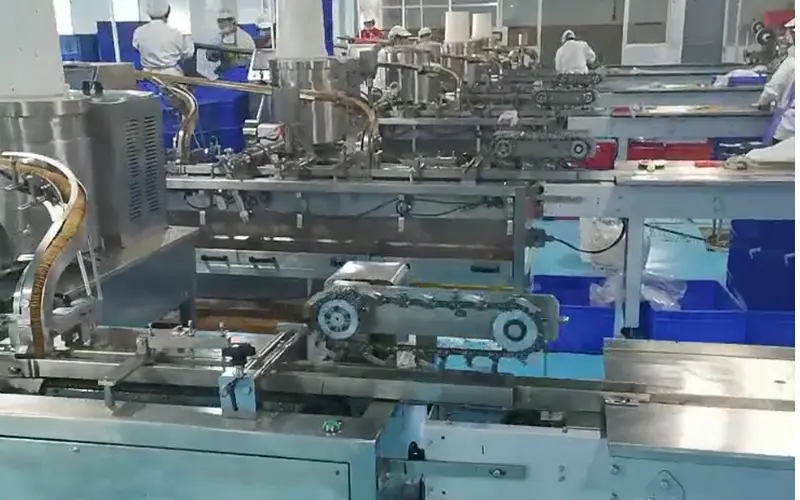
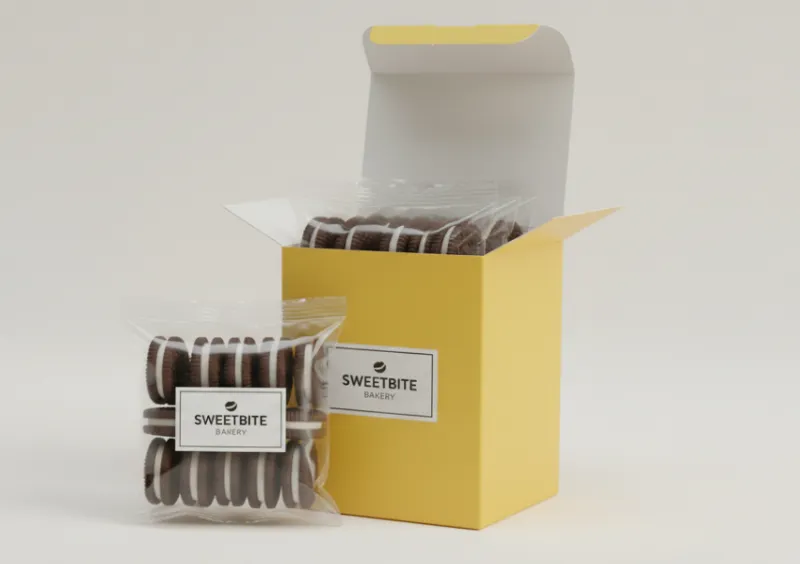
This accurately describes a common type of vertical form-fill-seal (VFFS) packaging machine. The cooled Mini Oreos are fed into the machine, where an automated counter precisely measures the correct number of biscuits. They are released into a funnel that guides them into a pre-formed plastic or metallized film sleeve—this is the easy-to-open package you find in stores. The filled sleeves are automatically sealed and then placed into cardboard cartons for shipping.
This highly automated process is what you would see on an Oreo factory tour, and it ensures incredible speed and accuracy. A common question regarding the final product is whether the Oreo biscuit is halal or haram; this depends on the specific market and production facility, and consumers are advised to check the packaging for local certification.
The EverSmart Connection: Our end-to-end solutions include integrating with high-speed packaging machinery that can handle everything from bulk cartoning to individual consumer pouches, ensuring your product is presented professionally and protected for shelf life.
Frequently Asked Questions (FAQs)
Q: Where are Oreos made?
A: Oreos are made in factories all over the world. Mondelez International operates numerous production facilities globally to supply different markets. If you're looking for an Oreo factory near me, they are typically large-scale industrial plants not open to the public, though brand experiences sometimes pop up in cities.
Q: What is the difference between a rotary moulder and a wire-cut machine?
A: A rotary moulder is essential for achieving the precise, intricate shape of a Mini Oreo. A wire-cut machine is better for rougher, rustic cookies. For the authentic look, a rotary moulder is the only suitable option.
Q: Is there an Oreo museum?
A: While there isn't a permanent Oreo museum, the brand has hosted pop-up experiential events in various cities, often called "Oreo Wonder Vaults," which celebrate the history and creativity of the biscuit.
Q: I want to use Mini Oreos in a recipe. Where can I find ideas?
A: While we focus on the industrial production side, Mini Oreos are incredibly popular in home baking and desserts. For a huge variety of creative culinary ideas, from cheesecakes to truffles, platforms like Cookpad are an excellent resource for user-shared recipes, including ideas like how to make Oreo on a stick.
Q: How many Mini Oreos can a production line make per hour?
A: Output depends on the machinery. Small-scale lines might produce 50-100 kg per hour, while large, fully automated industrial lines, like those from EverSmart, can produce over 500 kg per hour.
Case Study: SweetBite Bakery Doubles Output with EverSmart Line
The Challenge:
SweetBite Bakery, a growing snack food company in Southeast Asia, aimed to launch a line of private-label sandwich biscuits to capture a new market segment. Their existing equipment was unreliable, could not produce the intricate design they wanted, and limited their output to 120 kg/hour, creating a production bottleneck.
The EverSmart Solution:
After a detailed consultation, we recommended a semi-automatic turnkey solution specifically designed for their needs:
An EverSmart Rotary Moulding Machine capable of producing a custom-designed mini biscuit.
An EverSmart Automatic Sandwiching Machine with precise cream filling control.
A Training and Installation package for their engineering team.
The Results:
Within 3 months of installation and commissioning:
Output Doubled: Production capacity increased from 120 kg/h to 850 kg/h.
Zero Waste Start-Up: The line's precision resulted in minimal waste during the setup and calibration phase.
Market Success: SweetBite successfully launched their new product line on schedule and secured contracts with two major regional supermarket chains.
"The precision of the EverSmart rotary moulder gave our product a professional look that instantly built trust with retailers. The line's reliability was crucial to meeting our launch deadlines and new orders."
— Mr. Chen, Production Director, SweetBite Bakery
Your Next Step: From Concept to Production
Understanding the theory is the first step. Taking action is what builds a successful business. Whether you are looking to launch a new product like SweetBite Bakery or upgrade your existing capacity, the team at EverSmart is ready to be your partner in engineering and manufacturing.
We don't just sell machines; we provide complete biscuit production solutions, including:
Customized machine design and manufacturing.
Complete installation and commissioning.
Comprehensive operator and maintenance training.
Reliable after-sales support and spare parts.
Get Your Personal Consultation
Ready to turn your biscuit production idea into reality?
Have specific questions about output, machine specifications, or investment? Let's have a conversation.
Reach out to me directly for a free consultation and quotation. We're here to help you build your success story.
Sofia | Vice President
EverSmart Food Equipment Limited
WhatsApp: +86 13794619343
Email: [email protected]
Let's discuss your production goals and find the perfect solution for you.

Ready to start your journey toward a customized solution? Contact me directly on WhatsApp to begin the conversation.