Stop Wrapper Jams: How a Biscuit Flipper Solves Downstream Bottlenecks
By: Paulo Ferreira, Senior Automation Engineer at EverSmart
With 15 years of experience, Paulo has specialized in diagnosing and solving complex bottlenecks in over 100 bakery production lines across South America.
That blinking red light. The piercing alarm. The sound of crushing biscuits and bunching film. For a production manager, a constantly jamming flow wrapper is a primary source of frustration and lost output.
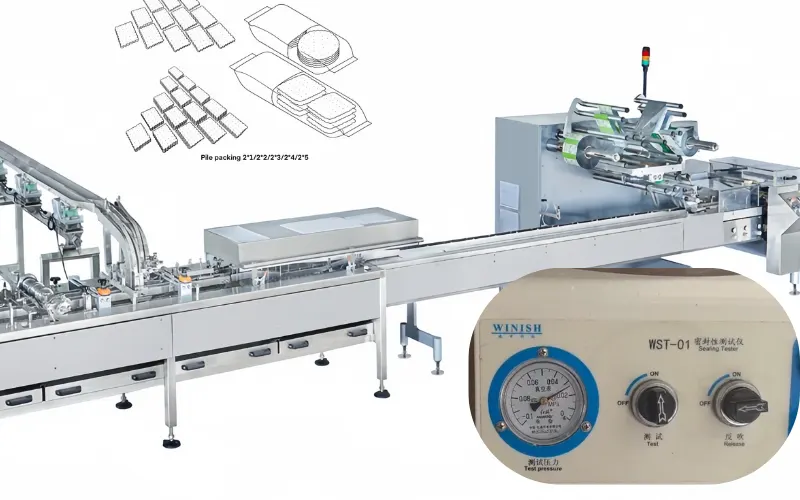
The immediate instinct is to blame the wrapper itself. But in many cases, the wrapper isn't the villain. The real problem is a fundamental biscuit orientation issue upstream. This guide explains how a modern biscuit flipper is the engineered solution to this pervasive problem, creating a smooth, continuous flow from the oven to the final package.
For a complete overview of why orientation is so critical, see our main pillar page:
The Chain Reaction of Chaos: The Causes of Packaging Line Bottlenecks
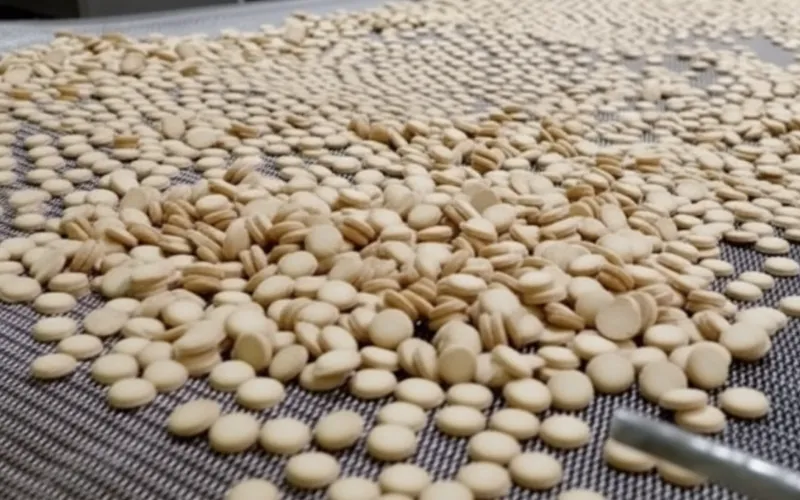
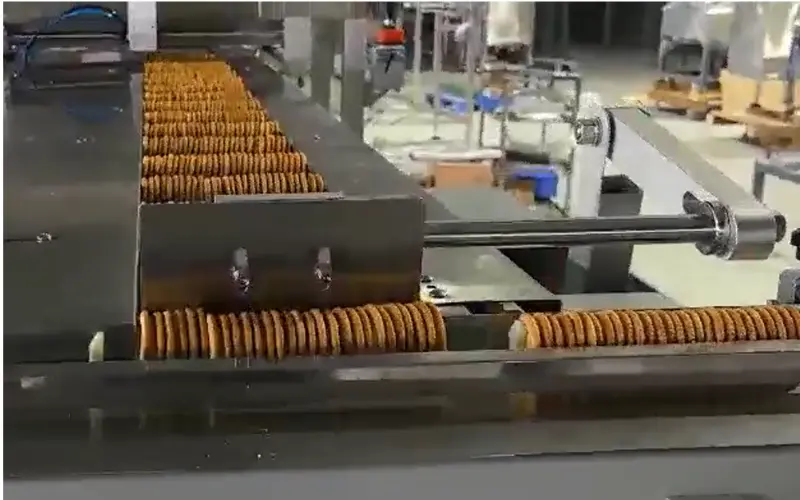
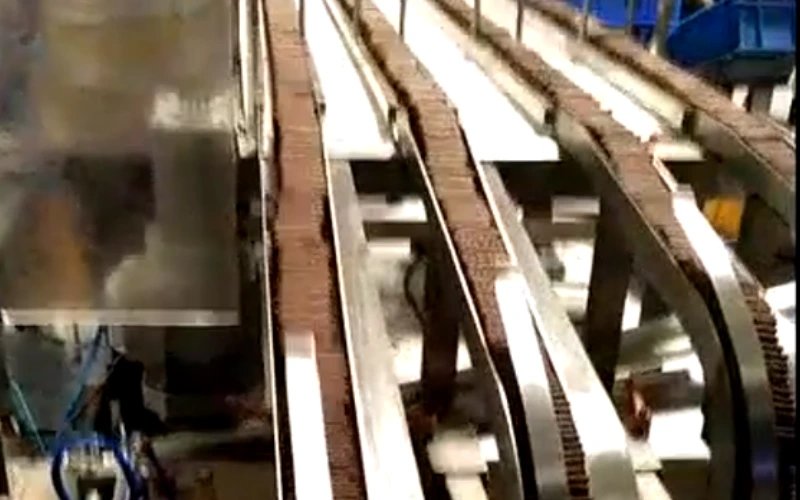
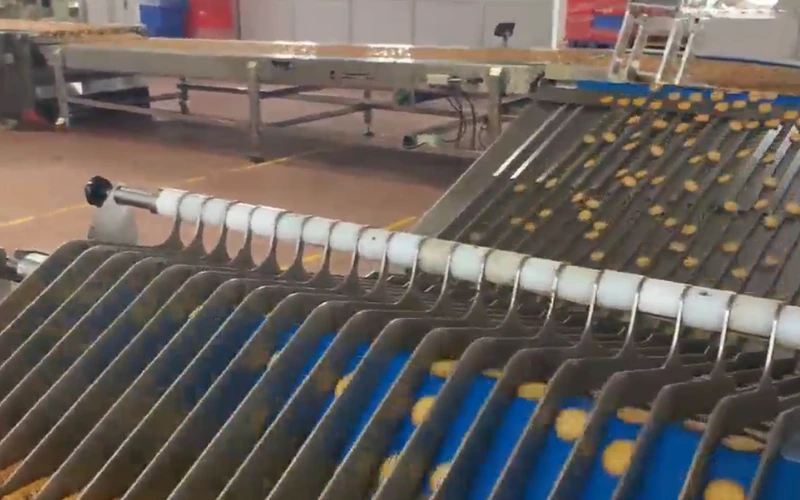
The problem begins on the long journey from the oven. After stabilizing on cooling conveyors, biscuits travel hundreds of feet. Along the way, vibrations and transfers cause them to drift, overlap, and lose their perfect spacing.
What starts as minor disorganization becomes a chaotic flood of product by the time it reaches the high-precision infeed of your wrapper. Wrappers require a predictable order to achieve a >99.8% transfer success rate; feeding them chaos is the root cause of the bottleneck.
How a Chaotic Infeed Causes Specific Wrapper Jams
This chaotic flow cripples your OEE production line by causing distinct, costly jams.
1. Stacker Overload & Miscounts
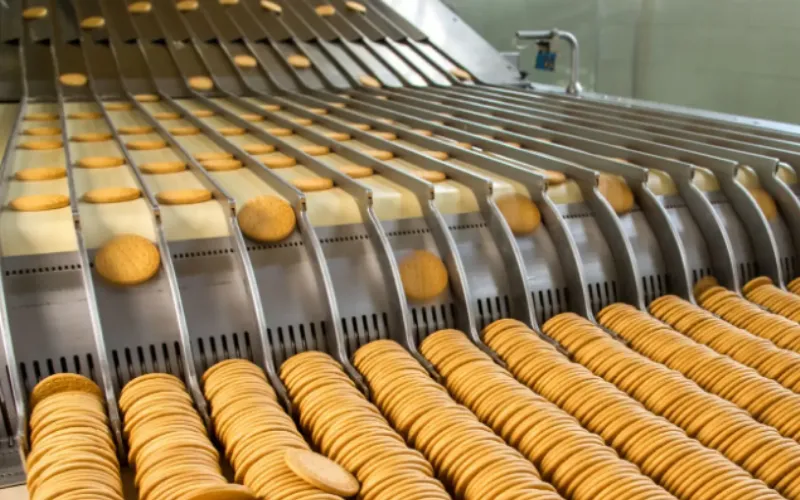
When two biscuits overlap as they pass a counting sensor, the stacker creates an oversized slug that jams the flight bar of the wrapper, forcing a stop.
2. Infeed Chute Blockages
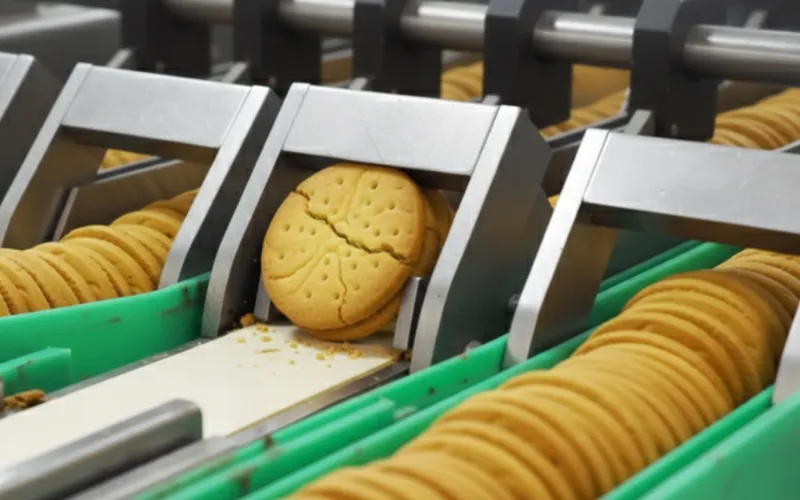
A biscuit that is turned on its side or "piggybacking" on another is physically too large to fit into the narrow infeed chute, creating an immediate blockage.
3. Poor Film Sealing & Empty Packs
Inconsistent spacing can fool the wrapper's sensors, causing the sealing jaw to come down on an empty space or crush a misaligned biscuit, damaging the product and the machine.
The Solution: A Flipper's Role as a "Line Pacemaker"
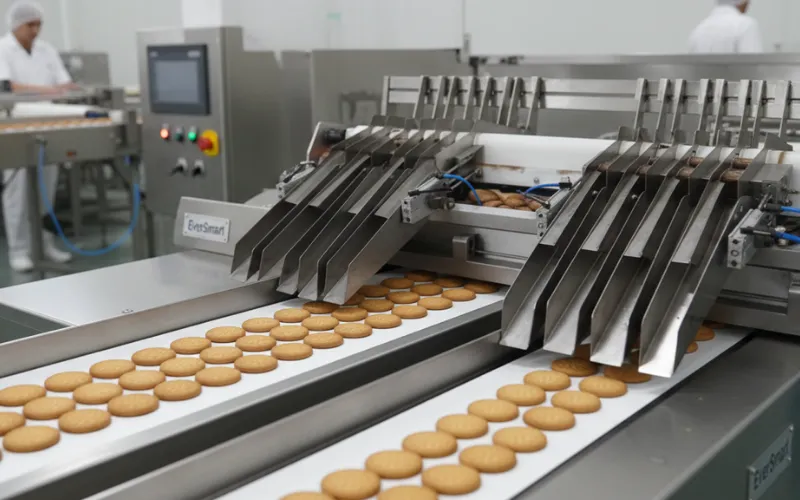
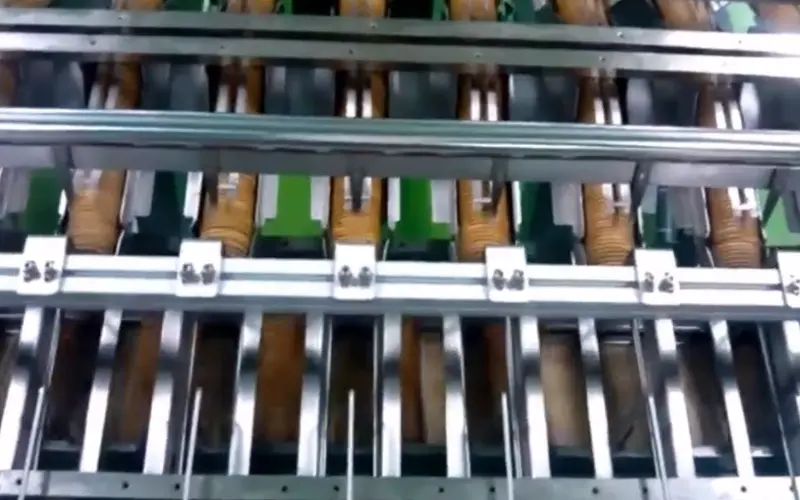
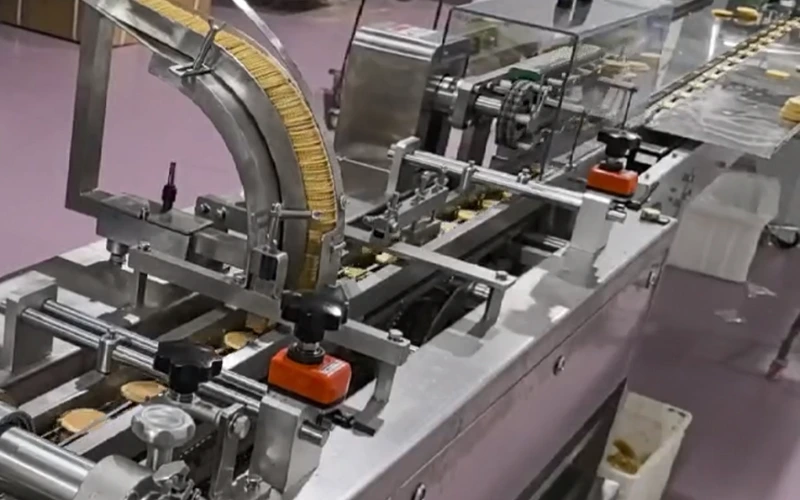
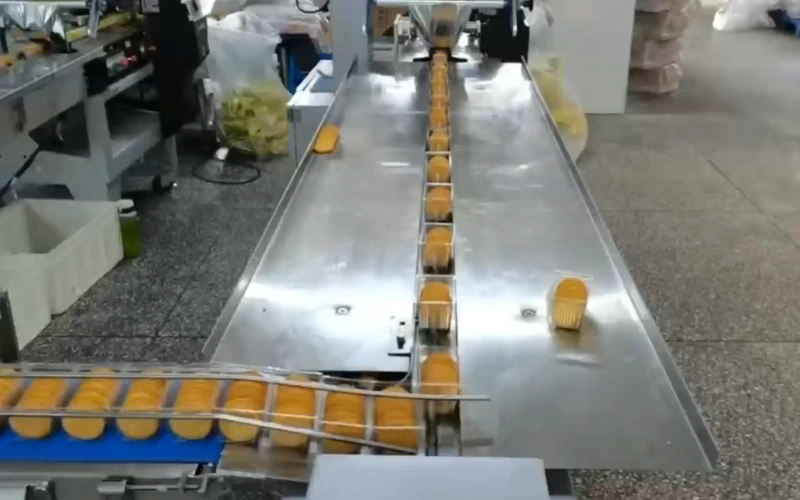
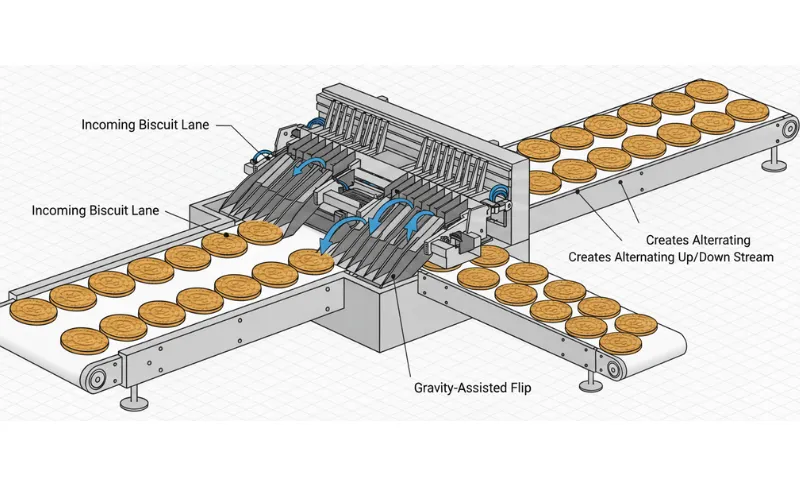
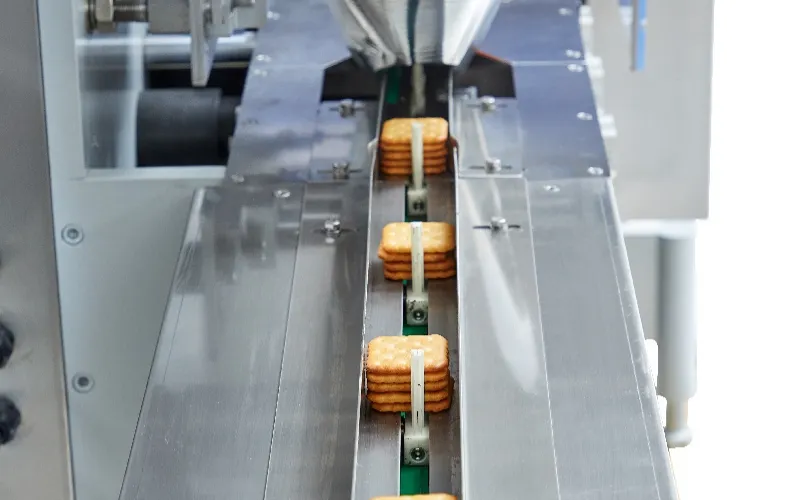
A modern biscuit flipper acts as a "pacemaker" for your line. It takes the disorganized stream of biscuits and imposes perfect order. Its laning guides and servo-driven discharge create a perfectly predictable stream of product that your wrapper needs to run at its maximum rated speed.
The Domino Effect: More Than Just Stopping Jams
Solving the jam problem has a powerful, positive domino effect on your entire operation. By creating a smooth, continuous flow, you can reduce jam-related downtime by over 70%. These operational gains translate directly into financial benefits that are compelling for any factory owner or financial manager in Brazil and beyond.
ROI Spotlight: Translating Uptime into Profit
These figures are based on real results. To see the full story, review our
Frequently Asked Questions About Wrapper Jams
1. Why does my flow wrapper keep jamming?Often, the cause isn't the wrapper itself but an upstream biscuit orientation issue. A disorganized product flow from the cooling conveyor with inconsistent spacing and alignment is the most common root cause.
2. We make delicate shortbread. What is the most gentle flipping method to avoid breakage that could cause jams?For delicate products like shortbread, a Turnover Belt Flipper is often superior. It cradles the entire biscuit, distributing pressure evenly and preventing the micro-fractures that can lead to breakage and downstream jams. Learn more in our guide on
3. How quickly can we see an improvement in OEE after installation?The impact on downtime is immediate. Once the flipper is correctly integrated and synchronized, the reduction in jam-related stoppages will be noticeable within the first production shift, leading to a direct and measurable increase in your OEE.
Conclusion: Stop Blaming the Wrapper
The next time your packaging line comes to a halt, look upstream. The key to a smooth, jam-free operation is a perfectly organized product stream. A high-quality biscuit flipper provides that order, unlocking the true efficiency of your entire line.
To see the machine that solves this problem, explore our main
Ready to solve your bottleneck? Contact our engineers for a free line audit.
Sofia | Export Vice President | EverSmart WhatsApp: +86 137 94619343 Email: [email protected]

Ready to start your journey toward a customized solution? Contact me directly on WhatsApp to begin the conversation.