How to Flip Biscuits Without Cracks or Breakage
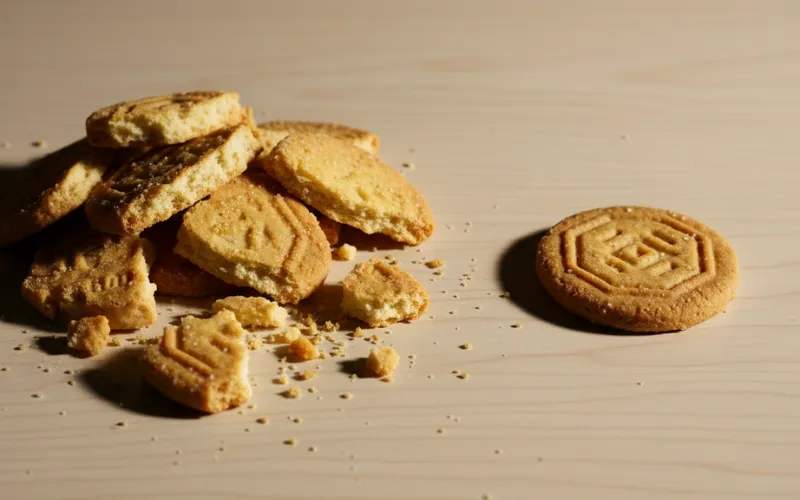
The profit margin on a premium, delicate biscuit—like a shortbread, a filled wafer, or a lacy cookie—is high. But so is the financial loss when it cracks or breaks on the production line. For many bakeries, the fear of product damage during the automated biscuit flipping process is the #1 reason they continue to rely on slow, inconsistent manual labor.
This forces a difficult choice between accepting high labor costs or high product waste.
But with modern automation, this is a false choice. This guide will show you the engineering principles that solve this critical aspect of
The True Cost of Breakage (More Than Just Waste)
Before exploring the solution, it's critical to understand the full financial impact of breakage. It's more than just the cost of wasted ingredients.
Lost Revenue: Every broken biscuit is a lost sale. A 5% breakage rate on a high-speed line can amount to tens of thousands of dollars, or hundreds of thousands of Brazilian Reais, in lost revenue per year.
Downstream Jams: Broken pieces and misaligned biscuits are a primary cause of jams in sandwiching and wrapping machines, leading to costly, unplanned downtime.
Brand Damage: Inconsistent or broken products reaching the consumer can damage your brand's reputation for quality.
Calculating the true financial impact is the first step in justifying an upgrade. For a detailed financial breakdown, you can use our
Why Delicate Biscuits Break: The Physics of Fragility
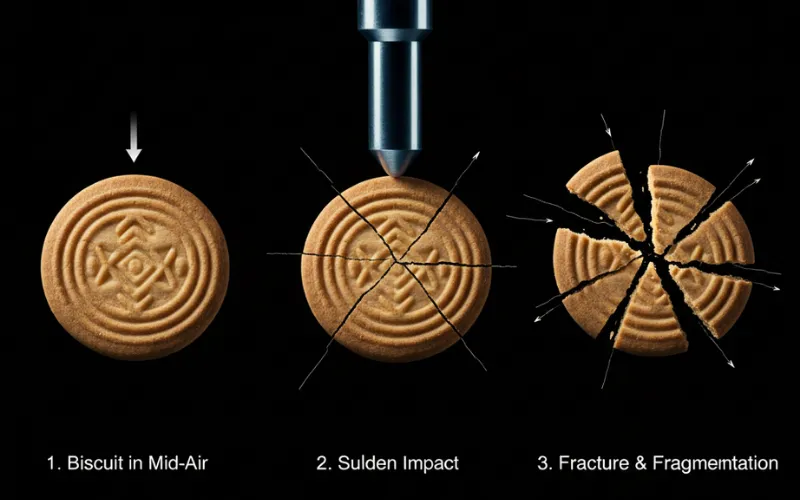
Understanding why a biscuit is fragile is the first step to choosing the right handling solution. The primary causes of breakage in a high-speed environment are:
Internal Stresses: High fat and sugar content creates a crumbly, "short" texture with very little gluten structure to hold it together.
Low Moisture Content: Dry products like wafers or shortbread are inherently brittle and cannot absorb the physical shock from a sudden impact.
Sudden Impact Force: This is the main culprit in older automation. A sudden stop, drop, or harsh mechanical push will easily exceed the biscuit's structural integrity.
The 3 Pillars of Gentle-Flip Technology
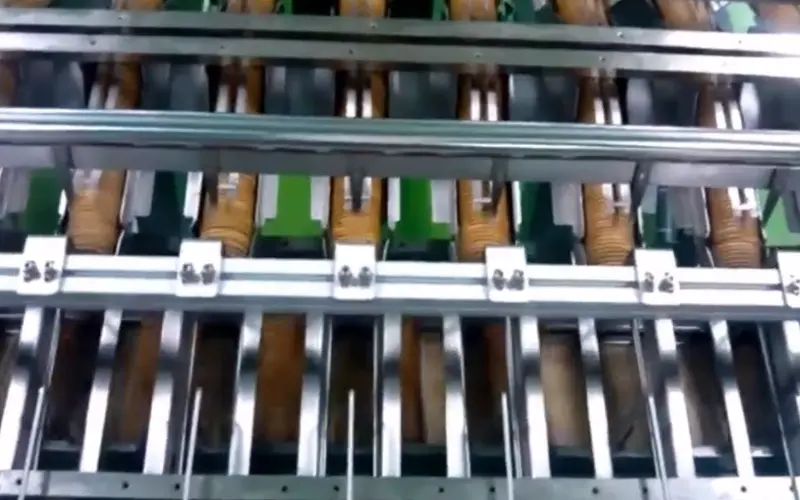
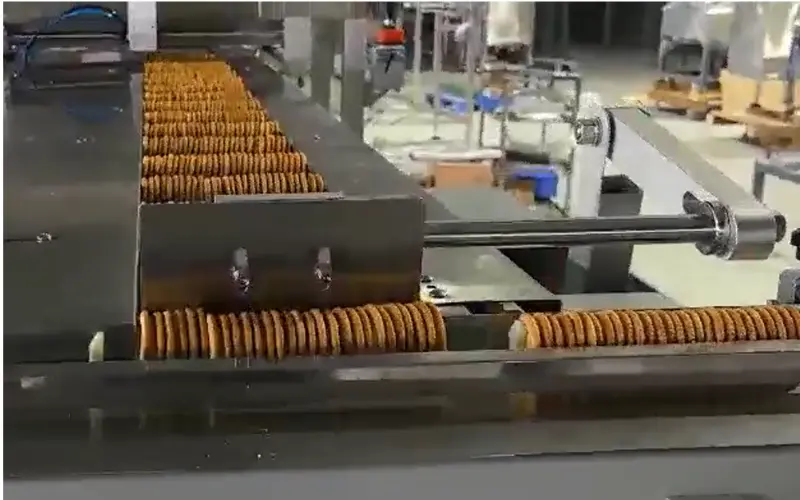
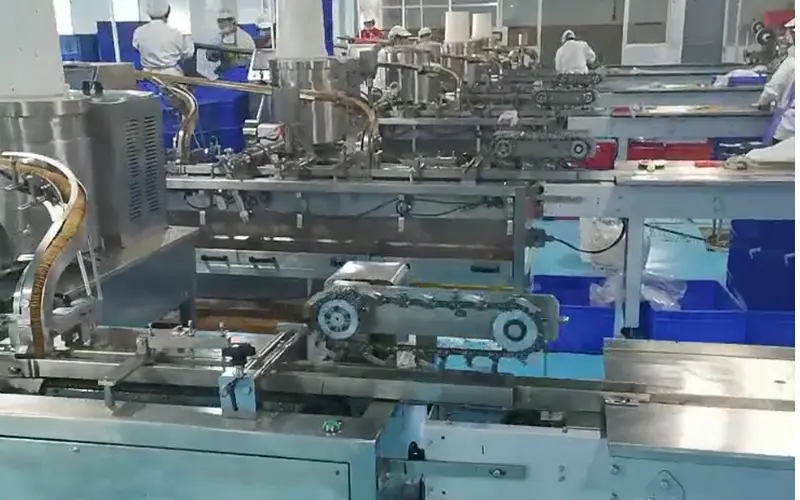
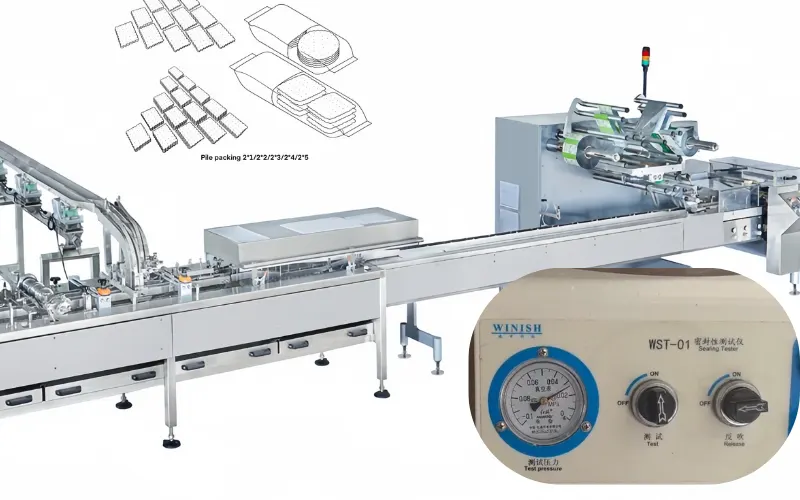
Modern biscuit flip machines are not brute-force tools. They are precision instruments built on three pillars of gentle handling designed to eliminate impact forces.
1. Low-Impact Inversion Methods
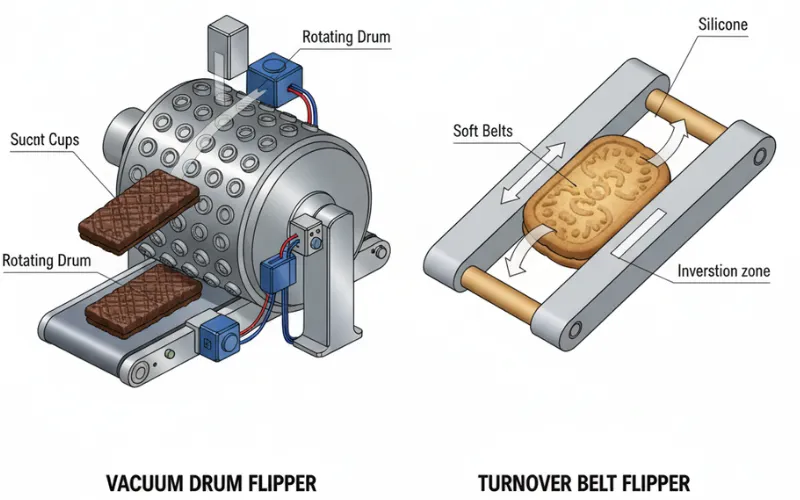
The method used to turn the biscuit is the most critical factor. Instead of crude mechanical flaps, advanced systems use one of two gentle technologies:
Vacuum Drum Flippers: Use multiple, small vacuum points to gently lift and turn the product. The vacuum pressure can be precisely adjusted to be strong enough to hold the biscuit, but gentle enough not to damage its surface.
Turnover Belt Flippers: Use two soft, synchronized belts to cradle the biscuit and gently roll it over. This method distributes pressure across the entire surface of the product, making it ideal for heavier or crumbly biscuits.
The choice between these two methods is critical, and we cover it in our complete guide to
2. Precision Motion Control (The Servo-Drive Advantage)
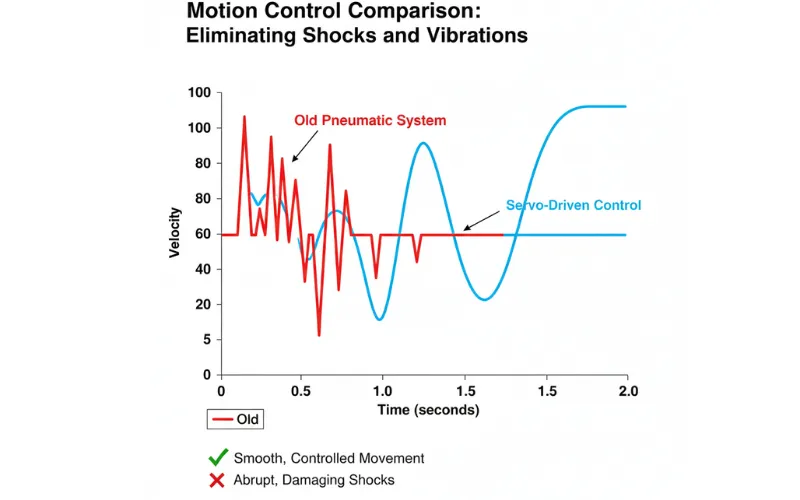
How the machine moves is as important as how it holds the product. Instead of jarring pneumatic or single-speed mechanical systems, modern flippers are servo-driven. This allows for controlled, smooth acceleration and deceleration, eliminating the shocks and vibrations that cause micro-fractures and breakage.
3. Smart Product Handling & Settings
The details that prevent misalignment and impact matter. This includes using food-grade, soft-contact surfaces and ensuring proper laning before the flipper. If you are experiencing issues with products dropping or turning incorrectly, it is often a settings or alignment issue, which is covered in our
Proof in Production: Real-World Gentle Handling
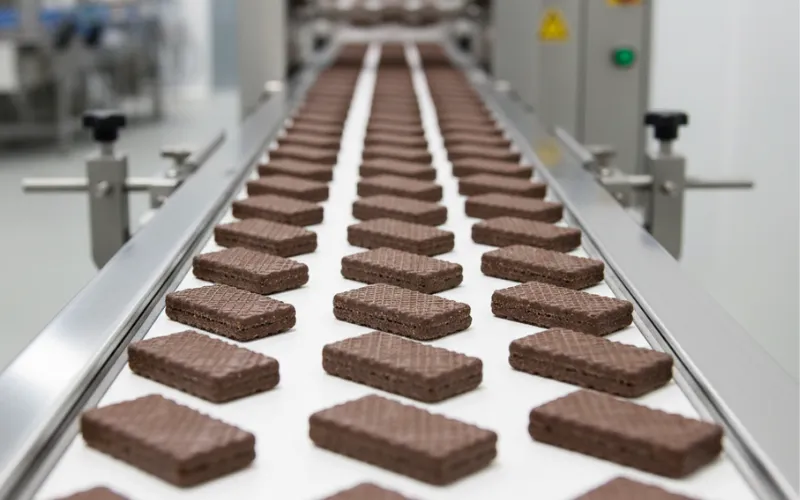
A European manufacturer of high-end chocolate-coated wafers was experiencing a 7% breakage rate at their manual flipping station. After installing an EverSmart Turnover Belt Flipper, their breakage rate dropped to less than 0.5% and line speed increased by 25%. For more details on this and other success stories, see our primary
The EverSmart Guarantee: A Free Lab Test

Every biscuit is unique. The best way to guarantee a no-breakage solution is to test it. We encourage our clients to send us samples of their most challenging products. We will perform a free flipping test in our lab and provide you with a video analysis and a performance guarantee before you make a commitment.
Conclusion: Automate with Confidence
Wasting premium product due to breakage is no longer a necessary cost of doing business. With the right gentle-handling technology, you can achieve the speed and efficiency of automation without sacrificing the quality of your most delicate biscuits.
To learn more about the core technology and specifications of the machine that makes this possible, we invite you to read our main
Ready to see it work for your product? Contact our engineers to discuss your free lab test.
Sofia | Export Vice President | EverSmart
WhatsApp: +86 137 94619343
Email: [email protected]

Ready to start your journey toward a customized solution? Contact me directly on WhatsApp to begin the conversation.