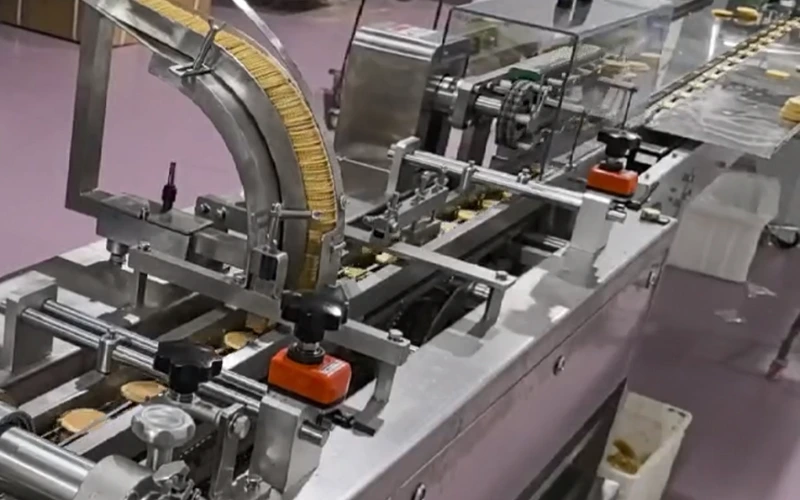
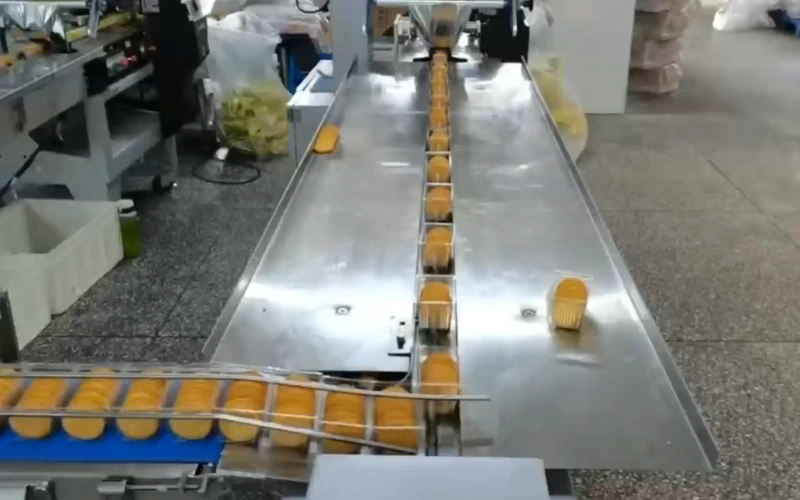
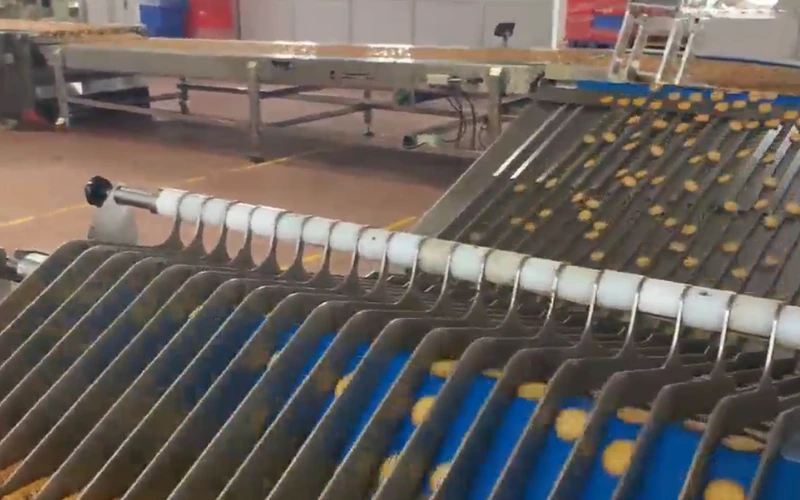
The Strategic Guide to Biscuit Machine Maintenance: Maximizing Uptime, ROI and Product Quality
The Strategic Guide to Biscuit Machine Maintenance: Maximizing Uptime, ROI and Product Quality
A study by the International Society of Automation (ISA) found that unplanned downtime costs industrial manufacturers an estimated $50 billion annually, with a significant portion stemming from inadequate equipment maintenance. For a Plant Manager, Factory Owner, or Head of Engineering, this isn't an abstract number; it's a direct drain on profitability through lost revenue, wasted labor, overtime premiums, and missed delivery deadlines.
This guide moves far beyond a simple "how to clean" checklist. It provides a comprehensive Total Productive Maintenance (TPM) framework designed to transform your biscuit sandwiching machine maintenance regimen from a reactive, unavoidable cost into a proactive, strategic function that boosts Overall Equipment Effectiveness (OEE), safeguards your return on investment (ROI), and guarantees consistent, high-quality product output.
> CTA (Top of Page - Lead Magnet for All Roles):
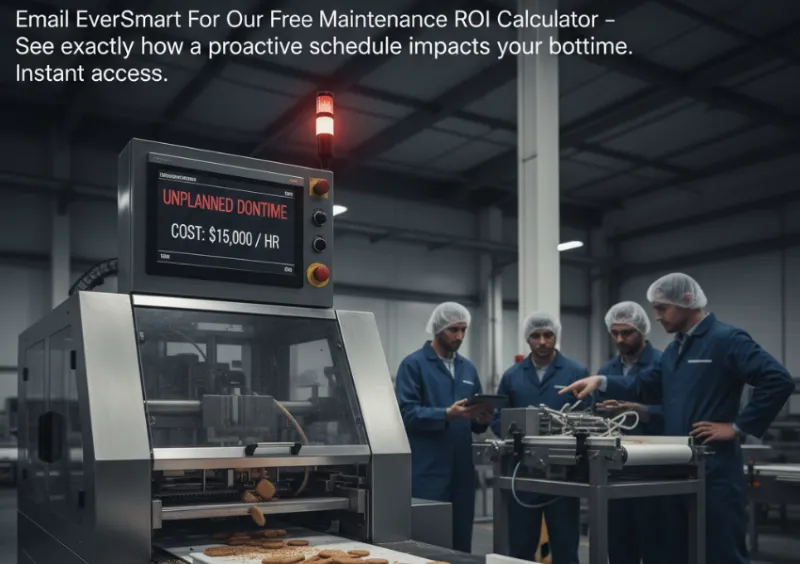
Email EverSmart For Our Free Maintenance ROI Calculator - See exactly how a proactive schedule impacts your bottom line. Instant access.
Section 1: The High Cost of Neglect: Why Reactive Maintenance is Your Biggest Risk
Reactive maintenance, or the "run-to-failure" model, is one of the greatest hidden costs in food manufacturing. The true expense is rarely just the price of a replacement part.
The True Cost of Downtime: Calculate it. If your line produces $5,000 of product per hour, a three-hour unexpected downtime event costs $15,000 in lost revenue alone, not including the cost of wasted ingredients, overtime labor to catch up, and potential penalties for late deliveries.
Quality Control Failures: Worn pump seals lead to inaccurate filling weights. Just a 1-gram overfill across a production run can result in tens of thousands of dollars in "give-away" annually. Misalignment causes broken biscuits, leading to product waste and reduced yield.
Food Safety and Recall Risks: The consequences are severe. Inadequate cleaning creates harborage points for allergens and microbiological growth (e.g., Salmonella, Listeria). This is a direct violation of the FDA's Food Safety Modernization Act (FSMA), which mandates preventive controls. A recall can devastate a brand and incur costs running into millions of dollars. A 2019 World Health Organization (WHO) report highlighted that unsafe food creates a global public health burden, with equipment hygiene being a critical control point.
Accelerated Depreciation: Poor maintenance accelerates the wear of high-cost components like servo motors and precision dosing pumps. This drastically shortens the machine's useful life, increasing its Total Cost of Ownership (TCO) and negatively impacting its asset value on the balance sheet, per standard accounting principles like GAAP.
Table: Reactive vs. Proactive Maintenance Cost Comparison
| Factor | Reactive ("Run to Failure") | Proactive (Preventive Schedule) |
|---|---|---|
| Downtime | Unplanned, lengthy, disruptive | Planned, short, scheduled during non-production hours |
| Repair Costs | High (catastrophic failures, collateral damage) | Low (planned, scheduled parts replacement) |
| Spare Parts Inventory | Chaotic, requires expensive expedited shipping | Planned, budgeted, and cost-effective |
| Team Stress & Safety | High (panic, rushing, increased risk) | Low (structured, safe, controlled environment) |
| OEE | Low and unpredictable | High, stable, and predictable |
> CTA (Within Content - for Factory Owner/Procurement):
Unsure of your true downtime cost? Use our interactive OEE Calculator to model different scenarios and build a business case for investment.
Section 2: Building Your Foundation: The Pillars of a Proactive Maintenance Strategy
Implementing a world-class program requires more than a checklist; it requires a cultural shift built on these four pillars:
Pillar 1: Lock Out Tag Out (LOTO): This is the non-negotiable foundation of all maintenance activity. OSHA Standard 1910.147 legally requires controlling hazardous energy to protect workers. A robust LOTO procedure ensures that electrical, pneumatic, and mechanical energy sources are isolated before any work begins.
Pillar 2: Standard Operating Procedures (SOPs): Documented, visual work instructions are not optional. They are essential for compliance with BRCGS and SQF food safety standards, which require consistent, verifiable, and trainable processes for cleaning and maintenance. This ensures every team member performs tasks correctly and safely, every time.

Pillar 3: Parts & Tool Inventory: Following Institute of Asset Management (IAM) guidelines, maintaining a critical spares inventory (e.g., seals, gaskets, sensors) is crucial. This prevents a 48-hour downtime event waiting for a $5 part to be shipped. A shadow board with the correct tools for disassembly also improves efficiency and safety.
Pillar 4: Staff Training & Empowerment: The Maintenance Manager's role is to train operational staff on basic cleaning and inspection duties (autonomous maintenance), freeing up skilled technicians for more complex tasks. Cross-functional knowledge is key to resilience.
> CTA (Powerful Lead Magnet - for Maintenance Manager):
Call Us For Our Pre-Made LOTO and Cleaning SOP Templates - BRCGS-ready documents to implement on your factory floor today. Get the Toolkit.
Section 3: The Actionable Maintenance Protocol: Daily, Weekly, Periodic

H3: Daily Cleaning & Inspection (Shift-End)
Safety First: Initiate the full LOTO procedure. Power down and isolate the machine.
Dry Cleaning: Use brushes, scrapers, and food-grade compressed air lines to remove dry biscuit debris and crumbs from conveyors, guides, and surfaces.
Wet Cleaning: Use NSF International or ECOLAB approved food-grade solvents at the correct concentration. Use dedicated, color-coded brushes and clothes to avoid allergen cross-contamination. Thoroughly wipe all product contact surfaces.
Visual Inspection Checklist: Look for loose bolts, fluid leaks (oil, air), signs of wear on belts and chains, and the integrity of scrapers. Log any findings.
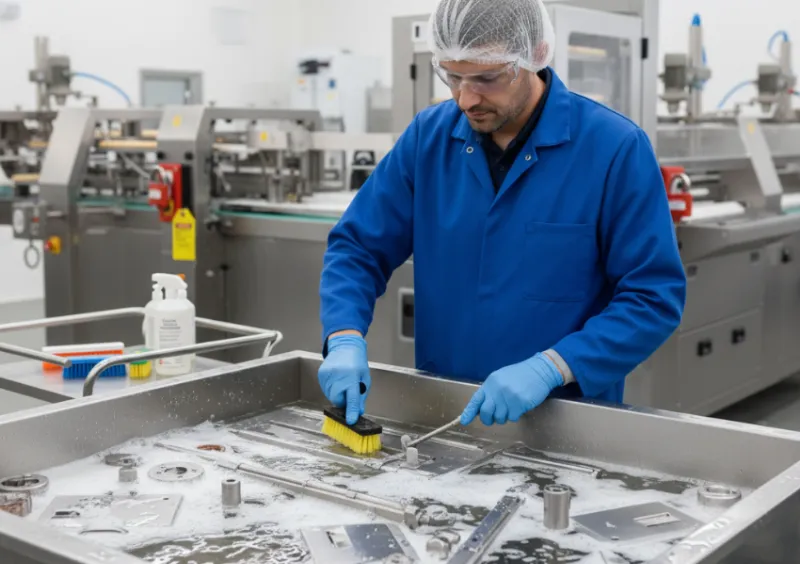
H3: Weekly Deep Cleaning & Sanitization
Disassembly Procedures: Safely remove key components: cream filling nozzles, spreader heads, conveyor belts, and scrapers. Refer to machine-specific manuals.
Cleaning & Soaking: Soak parts in a dedicated parts washer. For stubborn, fat-based creams, reference American Oil Chemists' Society (AOCS) methods for effective breakdown without damaging precision components. Avoid abrasive tools that scratch surfaces and create bacterial harborage points.
Sanitization: After cleaning, apply an approved food-contact sanitizer, ensuring the correct contact time is achieved to eliminate microbiological risks.
Reassembly & Pre-start Checks: Ensure all parts are dry and reassembled correctly. Perform a quick test run without product to verify alignment and function before starting production.
H3: Periodic Preventive Maintenance (Monthly/Quarterly)
Mechanical Checks: Check and adjust belt tension and tracking. Lubricate chains and bearings with the correct food-grade lubricant (H1 rated). Check gearbox oil levels. Inspect for bearing play and wear on mechanical linkages.
Pneumatic Checks: Lubricate air valves (if required), check regulators and filters for the pneumatic system, and inspect for air leaks using a soapy water solution.
Electrical Checks: Clean and verify the alignment of photoelectric sensors. Check the tightness of electrical connectors in control cabinets (after LOTO).
Calibration: This is critical for weight control and cost savings. Verify the accuracy of cream dosing systems and biscuit alignment mechanisms. The process varies by machine model and complexity.
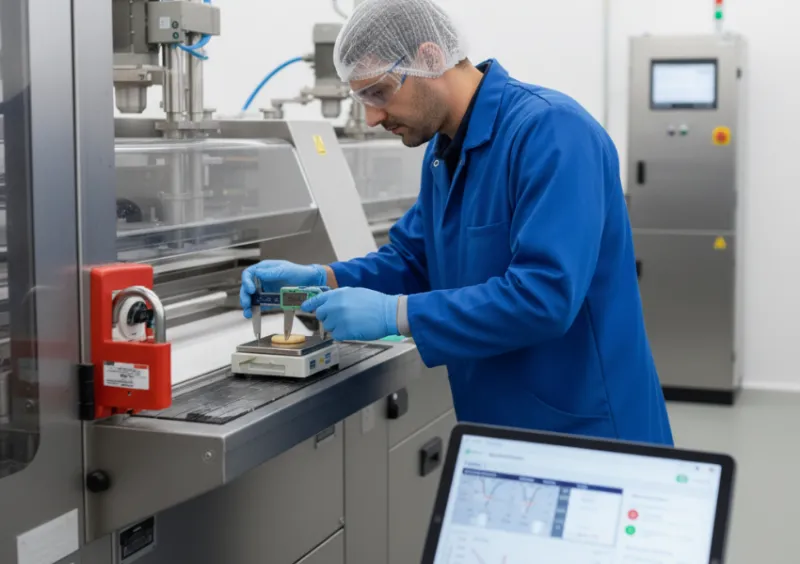
For specific maintenance guidelines capper machine, always refer to your manufacturer's manual. EverSmart machines are calibrated to NIST-traceable standards for ultimate accuracy and compliance.
Table: Comprehensive Maintenance Schedule Template
| Frequency | Task | Description | Responsible Role | KPI |
|---|---|---|---|---|
| Per Shift | Visual Inspection & Wipe-down | Check for leaks, debris, damage | Operator | Completion Sign-off |
| Daily | Deep Clean & Sanitize | Disassemble key contact parts | Maintenance Tech | ATP Swab Test Results |
| Weekly | Lubrication & Belt Check | Apply food-grade lube, tension belts | Maintenance Tech | Checklist Completed |
| Monthly | Pneumatic System Check | Inspect filters, regulators, lubricators | Maintenance Tech | PSI Consistency |
| Quarterly | Drivetrain Inspection | Check motors, bearings, chains | Senior Tech | Noise/Vibration Analysis |
> CTA (End of Section - for Engineering Manager):
Need help standardizing your PM schedule? Schedule a free, 30-minute maintenance audit with our engineering team. We'll review your current plan and identify gaps.
Section 4: Troubleshooting: From Symptom to Solution
A quick-reference guide for your team:
Problem: Inconsistent Filling Weight
Causes: Clogged nozzle, worn pump seals, air in the product feed, incorrect calibration.
Solutions: Refer to daily cleaning (clog), weekly PM (inspect/seal replacement), operational check (product de-aeration).
Problem: Biscuit Breakage
Causes: Misaligned guides, excessive pressure from the capping head, dry/brittle biscuits.
Solutions: Check and realign guides (daily inspect), adjust capping head pressure (weekly PM), review biscuit recipe/condition.
Problem: Machine Making Unusual Noises (Grinding, Squealing)
Causes: Lack of lubrication, bearing failure, foreign object intrusion.
Solutions: Immediate shutdown and LOTO. Investigate the source. Check lubrication points first.
> CTA (Sidebar/Inline - for Maintenance Manager):
Stumped by a persistent issue? Access our exclusive library of technical service bulletins and wiring diagrams. Become an EverSmart Insider.
Section 5: Leveraging Technology and Professional Partnership
The future of maintenance is predictive, not preventive.
The Role of Technology: The Industrial Internet of Things (IIoT) allows for condition-based monitoring. Vibration sensors can detect anomalies in bearings or motors long before they fail, referencing ISO 10816 vibration severity standards. Pressure sensors on pumps can signal wear before it affects product quality. This allows for maintenance to be scheduled at the optimal time.

The Value of Professional Service Contracts: An annual service visit from factory-trained engineers is an investment, not an expense. They perform complex calibrations, use specialized tools for diagnostics, spot nascent issues invisible to the untrained eye, and provide updated training. This pays for itself by preventing a single major breakdown.
Design for Maintenance (DfM): This is a critical consideration for Procurement and Engineering Managers. When evaluating new equipment, prioritize machines designed for easy maintenance: quick-release parts, easy-access panels, and modular components. This philosophy, aligned with ISO 55000 standards for asset management, significantly reduces Mean Time To Repair (MTTR) and lowers the Total Cost of Ownership (TCO) over the asset's life.
> CTA (Strategic Partnership Offer - for Procurement/Owner):
Protect your capital investment. Ask about our EverSmart Premium Care Plans, which include annual calibration, priority parts shipping, and remote diagnostics to maximize your uptime guarantee.
Conclusion: Your Maintenance Protocol is a Competitive Advantage
A disciplined, proactive maintenance strategy, backed by authoritative standards and the right technology, is what separates market leaders from the rest. It is a powerful, underutilized tool for reducing costs, ensuring unwavering quality, and delivering superior profitability. It is the mark of a world-class manufacturing operation.

Ready to start your journey toward a customized solution? Contact me directly on WhatsApp to begin the conversation.