Cookie vs Biscuit: The Ultimate Guide to Definitions, Differences & Delicious Details
The Great Debate: Introduction
The simple question, "What is the difference between a biscuit and a cookie?" sparks a transatlantic debate that is as much about language as it is about food. Is an Oreo a cookie or a biscuit? Do Australians say cookie or biscuit? The core difference between cookies and biscuits boils down to texture: cookies are typically soft, chunky, and chewy, while biscuits are crisp, thin, and designed to snap.

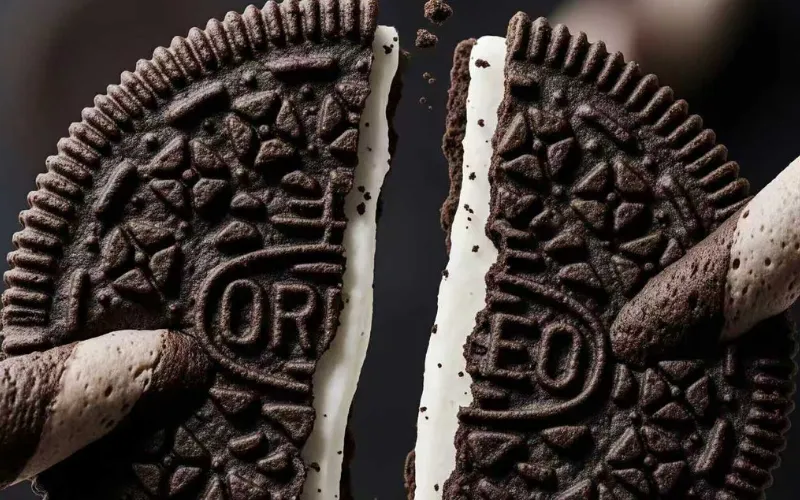
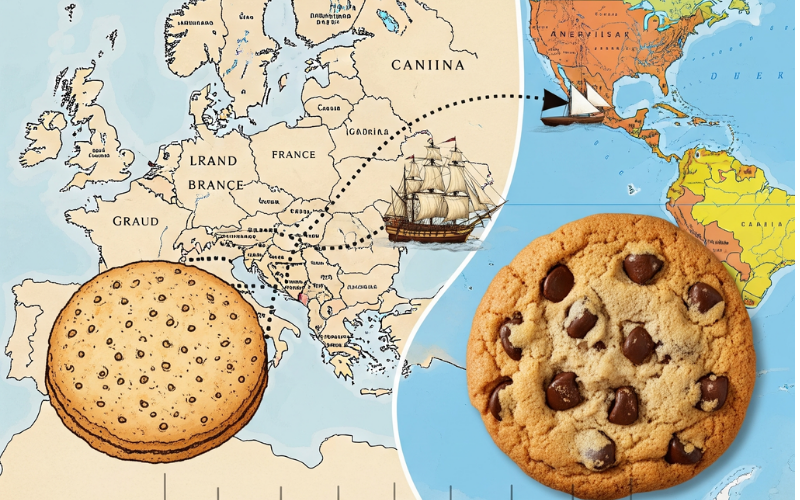
The linguistic confusion stems from history. The word "biscuit" originates from the Latin bis coctus, meaning "twice-baked," describing the hard, dry rations of old. This term stuck in British English. As the Wikipedia article on Cookies explains, the Dutch word koekje (little cake) was brought to America by immigrants, evolving into the word "cookie" for their softer, richer treats. So, is cookie American or British? It's both—but each term defines a different treat in its respective dialect, a key point in any cookie vs biscuit UK discussion.
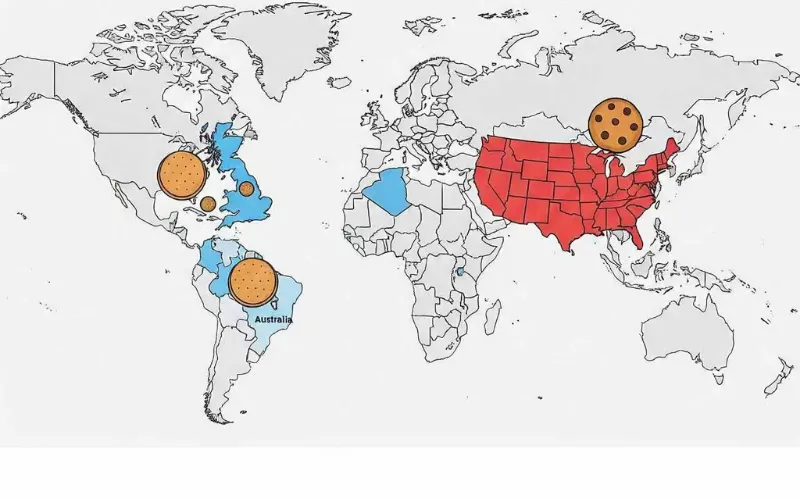
This divide extends globally. In the cookie vs biscuit Australia debate, Aussies follow the British convention, primarily using "biscuit." When comparing biscuit vs cookie vs scone, remember a British biscuit is never the soft, bread-like item Americans slather with gravy. Even a shortbread cookie vs biscuit discussion is settled by geography: in the UK, it's unequivocally a biscuit. So, where does that leave the Oreo? Its crisp texture technically makes it a biscuit, though its marketing calls it a cookie. When considering cookie vs biscuit calories, biscuits are often less dense, but it entirely depends on the recipe.
Key Differences at a Glance
| Feature | Biscuit (British English) | Cookie (American English) |
|---|---|---|
| Texture | Hard, crisp, snappy | Soft, chewy, sometimes crunchy |
| Ingredients | Less fat/sugar, often golden syrup | More butter, eggs, brown sugar |
| Preparation | Dough rolled thin & cut | Dough scooped & dropped |
| Primary Market | UK, Commonwealth nations | United States |
| Dunking | Excellent (holds structure) | Poor (can disintegrate) |
| Example | Digestive, Rich Tea | Chocolate Chip, Oatmeal Raisin |
What is a Biscuit? Definition & Traits
A biscuit is defined by its signature snap. This texture is achieved through a stiffer dough that is rolled thin and cut into shapes before baking. The ingredient list is often simpler, relying less on rich fats and eggs and more on precise baking to achieve its dry, crisp structure. This makes it the perfect companion for dunking into hot tea or coffee without falling apart.
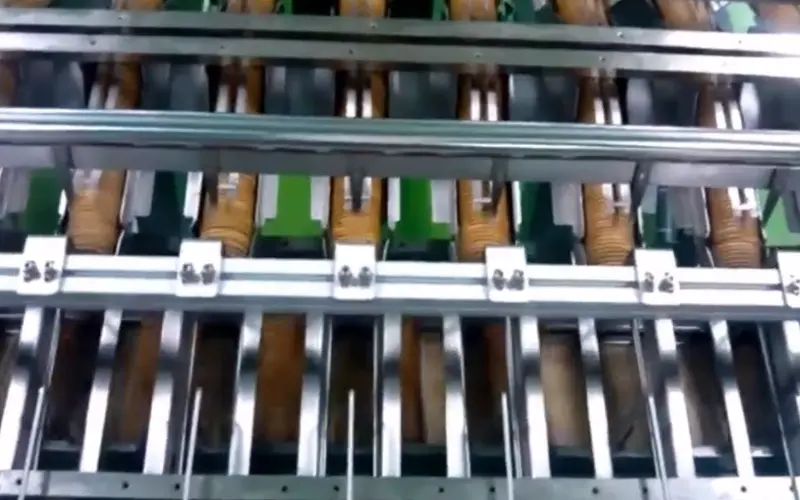
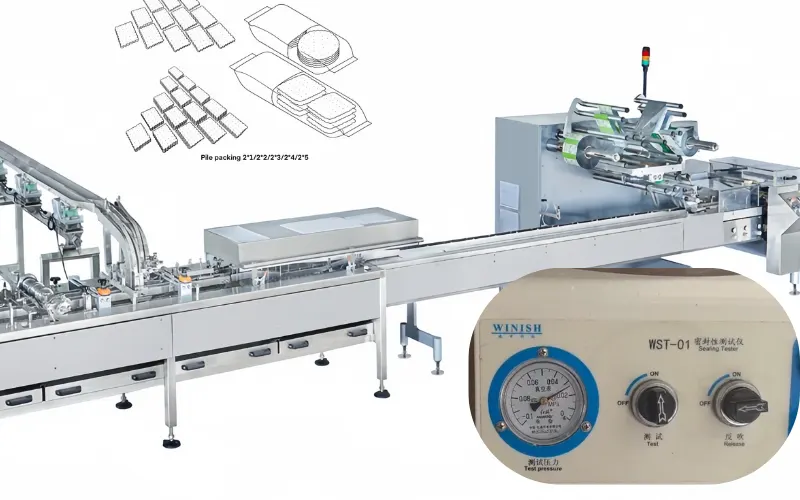
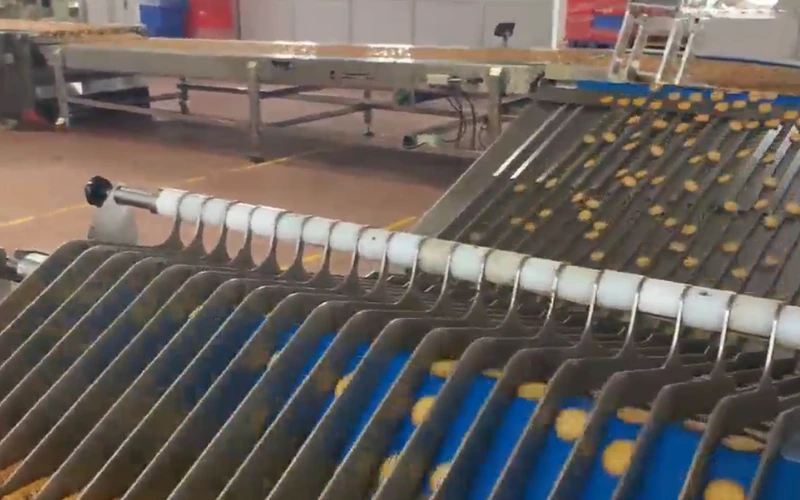
Classic examples include Digestives, Hobnobs, and Ginger Nuts. The Anzac biscuit is a famous example, with its name legally protected in Australia. This style of baking is perfected on an industrial scale using precise biscuit production lines.
What is a Cookie? Definition & Traits
A cookie is an indulgence. Its identity is built on a soft and chewy texture, achieved by using a higher ratio of butter, eggs, and brown sugar (which retains moisture). The dough is softer and is often simply scooped onto a baking sheet, where it spreads into a thick, irregular disc during baking, famously studded with chocolate chips, nuts, or oats.
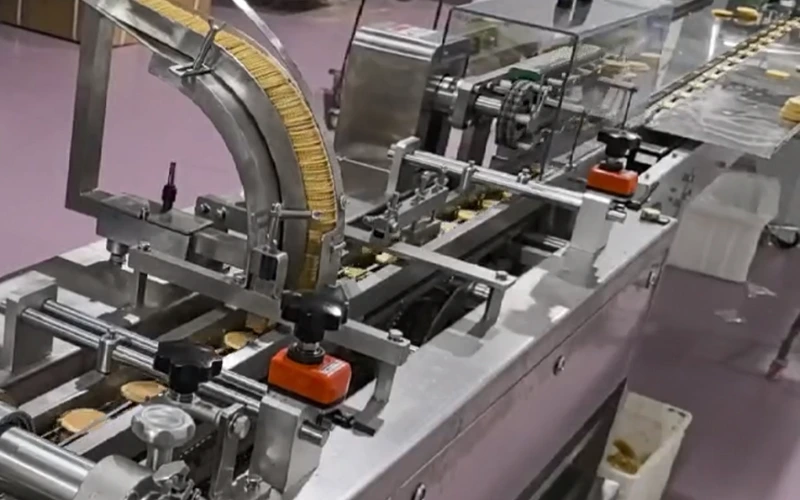
This richer, wetter dough requires different handling technology than biscuit dough, often seen on specialized cookie manufacturing lines designed to handle its softer consistency.
Etymology: Why Do British Call Cookies Biscuits?
The history of the words reveals everything. "Biscuit" (bis + coctus) was the practical term for a preserved foodstuff. As the product evolved in Europe, different cultures created their own versions. The British retained the original term for all hard, sweet baked goods.
Meanwhile, in 18th-century America, Dutch and German immigrants introduced their koekje and keks. This term was anglicized to "cookie" and came to specifically describe the newer, softer, cake-like baked good that differed from traditional hard biscuits. This is the core of the cookie vs biscuit etymology.
Global Perspectives: UK, Australia, and Beyond
Cookie vs Biscuit in England: "Biscuit" is the universal term. "Cookie" is understood but usually refers to the softer, American-style product.
Cookie vs Biscuit Australia: Mirrors the British usage. The term "biscuit" is standard, with the Anzac biscuit being a point of national pride.
USA: "Cookie" is standard for the soft treat. "Biscuit" refers to a soft, leavened bread roll, creating the most significant confusion.
Beyond the Basics: Crackers, Scones, and Cutters
Cookie vs Biscuit vs Cracker: A cracker is simply a savoury biscuit, often unleavened or seasoned with salt and herbs.
Biscuit vs Cookie vs Scone: This is a classic mix-up. A British scone or American biscuit is a soft, quick bread. The American biscuit is savoury (eaten with gravy), while the British scone is slightly sweet (eaten with jam and cream). Both are entirely different from a crisp biscuit.
Cookie Cutter vs Biscuit Cutter: The tools are functionally identical. The name just changes based on the dialect of the user. Industrially, this process is achieved with high-precision biscuit cutting machines.
FAQ: Oreos, Jaffa Cakes, and Dough Differences
Q: Is Oreo a cookie or a biscuit?
A: Technically, by texture and construction, it's a chocolate sandwich biscuit. However, for marketing purposes in North America, it is famously called a "cookie."
Q: Is a Jaffa Cake a biscuit or a cake?
A: This was settled in a UK VAT tribunal! McVitie's successfully argued it is a cake because cakes become hard when stale, while biscuits become soft. This legal distinction saved them from a higher tax rate.
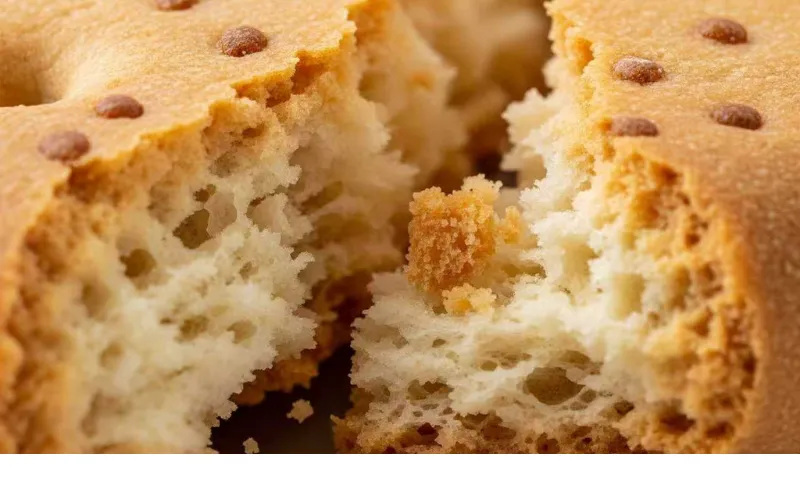
Q: What's the difference between biscuit dough and cookie dough?
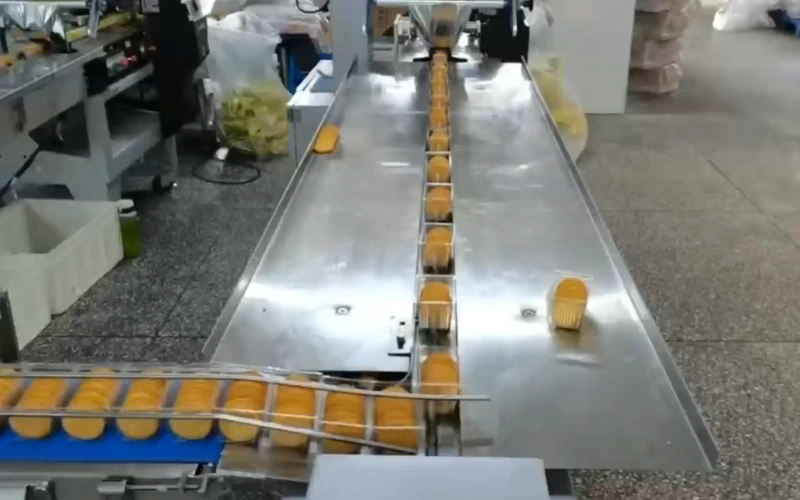
A: Biscuit dough is firm, dry, and needs to be rolled. Cookie dough is soft, sticky, and is designed to be scooped. These different consistencies require specifically designed biscuit making machines for large-scale production.
Q: What do they call American "biscuits" in the UK?
A: The closest equivalent is a scone. However, British scones are slightly sweeter and are rarely served with gravy, instead being paired with clotted cream and jam.
Conclusion: The Final Verdict
So, what’s the final answer? It’s perfectly contextual.
Linguistically: It’s dialect. Cookie is American English. Biscuit is British English.
Culinarily: It’s texture. Cookies are soft and chewy. Biscuits are hard and snappy.
The beauty is in the diversity. Both have their place in the world of baking, from homemade batches to goods produced on sophisticated biscuit manufacturing equipment.
Ready to See How They're Made?
Now that you're an expert on the difference, have you ever wondered how your favorite biscuits and cookies are produced on a massive scale? The engineering behind achieving the perfect snap or chew is fascinating.
Discover the machinery behind the magic and explore complete commercial biscuit making machine that can bring these delicious treats to life.
Share your thoughts! Do you side with the crisp biscuit dunkers or the soft cookie lovers? Let us know in the comments!
Author:Sofia|Vice President of EverSmart Food Equipment Limited|Whatsapp+86 13794619343

Ready to start your journey toward a customized solution? Contact me directly on WhatsApp to begin the conversation.