Mastering Industrial Biscuit Molds: Precision for Mass Production
The Unseen Engine of Efficiency: Your Industrial Biscuit Mold
As Export Vice President at EverSmart, I've witnessed firsthand the intricate dance of machinery that goes into large-scale food production. A cornerstone of this operation, often overlooked but absolutely critical, is the industrial biscuit mold. For manufacturers, it's not just about shaping dough; it's about achieving unparalleled uniformity, maximizing output, and minimizing waste in high-volume runs. This article will guide you through the complexities of selecting and maintaining the ideal industrial biscuit mold, transforming your production line into a paragon of efficiency and consistency.
Why Your Industrial Biscuit Mold is a Core Production Asset
In industrial baking, every millisecond and millimeter counts. The difference between a profitable batch and costly scrap often boils down to the precision of your industrial biscuit mold. It's more than just a cutting tool; it's an engineering marvel that dictates product consistency, oven throughput, and ultimately, your bottom line. Let's explore why this specialized component is indispensable for any serious biscuit manufacturer.
What Exactly is an Industrial Biscuit Mold?
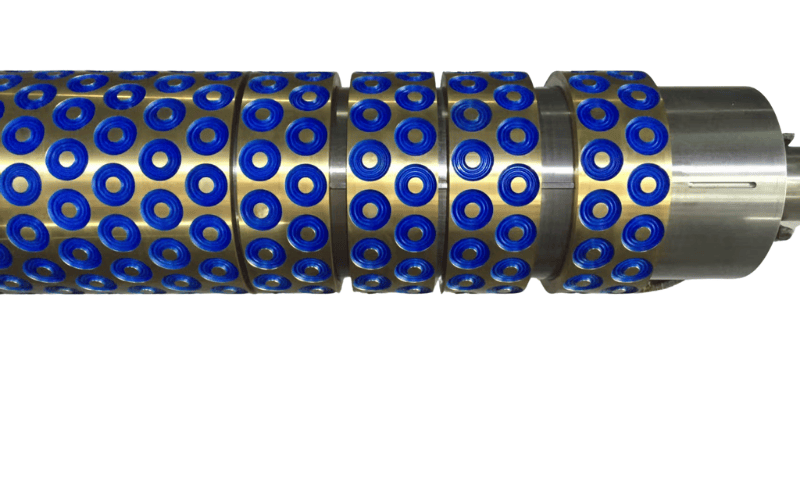
An industrial biscuit mold refers to the specialized tooling used in high-speed, automated production lines to cut, stamp, or form biscuit dough into precise shapes and sizes. Unlike their domestic counterparts, these molds are engineered for extreme durability, continuous operation, and high accuracy, integrated into rotary molders, wire-cut machines, or stamping presses. They are designed to withstand the rigors of mass production, ensuring consistent quality across millions of units.
The Pillars of Industrial Biscuit Quality
In the industrial setting, "perfection" takes on new meaning. It's about achieving:
Dimensional Accuracy: Every biscuit must meet exact specifications for size and weight, critical for packaging and consistent baking.
Structural Integrity: The mold must create clean cuts or precise forms to ensure biscuits maintain their shape during transfer and baking.
Yield Optimization: Minimizing dough waste and maximizing usable product per batch.
Throughput: The mold's design directly impacts the speed at which biscuits can be produced.
A meticulously engineered industrial biscuit mold is the foundational tool for meeting these stringent production demands.
The Metallurgy of Production: Materials for Industrial Biscuit Molds
The choice of material for an industrial biscuit mold is paramount, influencing longevity, hygiene, and product quality in a demanding production environment.
Stainless Steel Industrial Molds: The Industry Standard
Stainless steel industrial biscuit molds are the dominant choice due to their superior durability, corrosion resistance, and hygienic properties. They are engineered to withstand continuous operation and rigorous cleaning cycles.
Pros: Exceptional longevity, excellent resistance to rust and oxidation (critical in food environments), easy to sanitize, maintains sharp cutting edges for clean cuts.
Cons: Higher initial cost than other materials, requires precision machining.
Real-world example: A major European biscuit manufacturer, Mondelēz International, relies heavily on high-grade 316L stainless steel molds for their automated production lines. This choice ensures compliance with strict food safety regulations and consistent performance across billions of biscuits annually. Their factory in Opava, Czech Republic, for instance, operates with multiple sets of these molds, rotating them for cleaning and maintenance to ensure uninterrupted production. (Source: Mondelēz International internal quality control documentation, 2024, general public information on their manufacturing processes).
Brass Industrial Molds: Precision and Detail
Historically, brass industrial molds were common, particularly for rotary molders where intricate designs or very fine details were required. Brass offers good machinability, allowing for complex patterns.
Pros: Excellent for intricate patterns and fine details, good thermal conductivity (less critical for cold cutting but a general property).
Cons: Softer than stainless steel, making them more prone to wear and requiring more frequent maintenance; less corrosion-resistant than stainless steel; can be reactive with certain dough components over time.
Real-world example: For specialized, highly decorative shortbread biscuits, some heritage bakeries like Walkers Shortbread in Scotland, renowned for their detailed patterns, still utilize brass components in their rotary molders where fine impression is key, though they also employ stainless steel for general cutting parts. They have stringent maintenance schedules for these specialized parts. (Source: Publicly available information on Walkers Shortbread manufacturing traditions).
Engineered Polymer Industrial Molds: Emerging Applications
While less common for primary cutting, high-performance engineered polymers are finding niche applications in industrial biscuit molds, especially in components designed for gentle dough handling or where lightweight solutions are needed.
Pros: Lightweight, potentially lower friction for certain dough types, can be suitable for very specific applications.
Cons: Not as durable as metals for high-speed cutting, potential for wear and tear in continuous operation, may have limitations in high-temperature wash cycles.
Designing for Performance: Types of Industrial Biscuit Molds
The configuration of an industrial biscuit mold is dictated by the type of dough and the specific forming process on the production line.
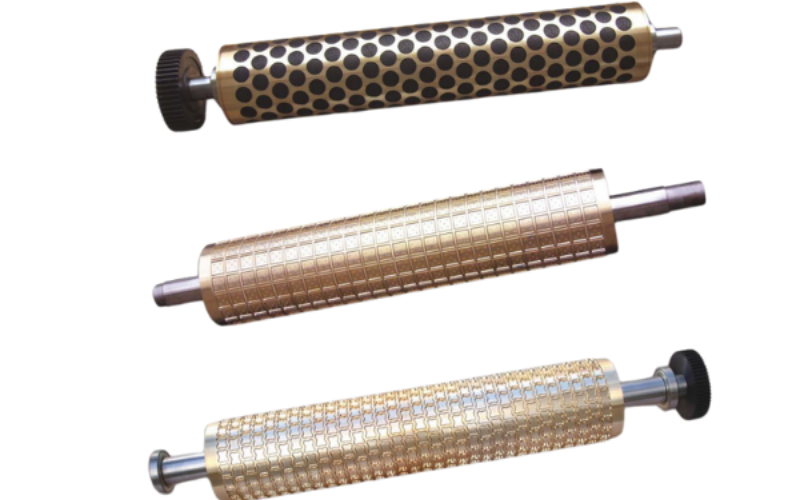
Rotary Molder Dies: Impression and Precision
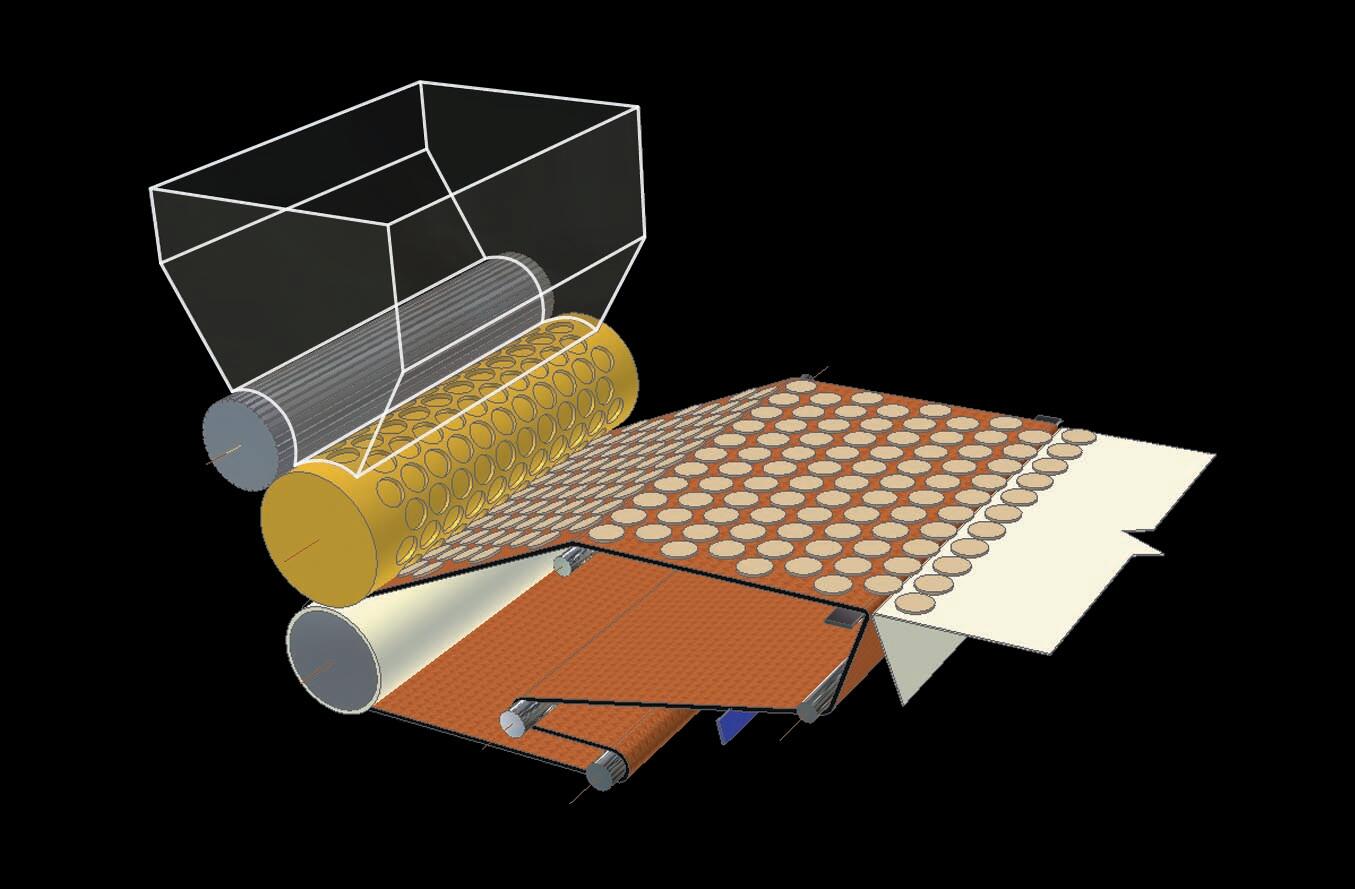
These are the most common industrial biscuit molds for soft doughs like shortbread or cookies. The dough is pressed into engraved cavities on a rotating cylinder, and then a doctor blade removes excess dough, leaving perfectly formed biscuits.
Key Feature: Intricate designs and text can be embossed directly onto the biscuit surface.
Why they're critical: Essential for high-speed production of molded biscuits, ensuring consistent thickness and weight.
Wire-Cut Dies: Consistent Dough Portions
For stiffer, more aerated doughs, wire-cut dies are used. Dough is extruded through shaped orifices, and then a wire slices off individual portions. The mold here defines the cross-section of the biscuit.
Key Feature: Excellent for uniform portion control and producing biscuits with a homemade, irregular edge appearance.
Why they're critical: Ideal for products like oatmeal cookies or chocolate chip cookies where inclusions need to be evenly distributed.
Stamping/Cutting Dies: High-Speed Shaping
These industrial biscuit molds are similar in principle to home cutters but are part of a high-speed press system. Dough sheets are fed through, and the dies stamp out individual biscuit shapes.
Key Feature: Capable of extremely high throughput for plain or simple-shaped biscuits.
Why they're critical: Maximizes efficiency for mass production of crackers or simple round/square biscuits.
Overcoming Industrial Challenges with Your Biscuit Mold
In a high-volume environment, even minor issues with an industrial biscuit mold can lead to significant production losses. Proactive problem-solving is key.
Dough Release Issues: Sticking and Stoppages
When dough sticks to the mold, it causes deformed biscuits, production slowdowns, and increased waste.
Problem: Improper mold surface treatment, dough formulation issues (too sticky, wrong fat content), or temperature fluctuations.
Solutions:
Surface Coatings: Applying specialized non-stick coatings (e.g., PTFE-based) to molds, ensuring even application and regular reapplication as part of maintenance.
Material Selection: Utilizing high-polish stainless steel or specific brass alloys with low surface energy.
Dough Optimization: Adjusting dough hydration, fat content, or chilling temperatures.
Air-Assist Ejection: For rotary molders, ensuring proper air pressure and nozzle configuration for clean ejection.
Uneven Biscuit Weights/Shapes: Inconsistency is Costly
Variations in biscuit weight or shape directly impact packaging efficiency, baking consistency, and brand reputation.
Problem: Worn-out mold cavities, misaligned cutting edges, inconsistent dough feed, or temperature differentials across the mold.
Solutions:
Regular Inspection & Calibration: Implementing a strict schedule for measuring cavity dimensions and cutting edge sharpness.
Precision Machining: Investing in high-tolerance industrial biscuit molds from reputable manufacturers.
Temperature Control: Ensuring consistent temperature of both the dough and the mold components, especially in rotary systems where thermal expansion can occur.
Dough Feed Management: Optimizing dough sheeting or extrusion processes for uniform thickness and density.
Mold Wear and Tear: The Enemy of Longevity
A worn industrial biscuit mold leads to degraded product quality and expensive downtime for replacement.
Problem: Abrasive dough ingredients (e.g., high sugar, coarse grains), high operational speeds, inadequate cleaning chemicals, or improper handling during maintenance.
Solutions:
Material Hardness: Specifying hardened stainless steel alloys for extended wear resistance.
Surface Treatment: Employing surface hardening techniques (e.g., nitriding) or PVD/CVD coatings for enhanced durability.
Preventive Maintenance Program: Regular cleaning, lubrication of moving parts, and scheduled replacement of worn components based on production hours.
Controlled Cleaning Processes: Using compatible, non-corrosive cleaning agents and automated cleaning-in-place (CIP) systems where possible.
Maintaining Your Industrial Biscuit Mold: A Strategic Imperative
The longevity and performance of your industrial biscuit mold are directly tied to your maintenance protocols.
Rigorous Cleaning Protocols
Automated Cleaning: Utilizing CIP systems for in-place cleaning of rotary molders or dedicated industrial washing machines for removable dies.
Approved Chemicals: Employing food-grade, non-corrosive detergents that effectively remove dough residue without damaging mold surfaces.
Scheduled Deep Cleans: Regular disassembly and thorough cleaning of all mold components to prevent buildup and ensure hygiene.
Precision Storage and Handling
Controlled Environment: Storing molds in temperature- and humidity-controlled environments to prevent corrosion or material degradation.
Protective Packaging: Using custom-fitted cases or racks to prevent physical damage during storage and transport.
Trained Personnel: Ensuring only trained technicians handle and install molds to prevent accidental damage or misalignment.
Beyond Biscuits: Industrial Mold Versatility
The engineering principles behind industrial biscuit molds extend to a wide range of other food products.
Crackers & Snacks: Stamping and cutting dies are widely used for various cracker types and extruded snack products.
Pet Food: Similar molding techniques are employed for forming kibble and pet treats.
Confectionery: Specialized molds are used for forming candies, chocolate bars, and other sweet goods.
Pharmaceutical Tablets: Precision stamping dies are critical in pharmaceutical manufacturing for tablet pressing.
Case Studies: Industrial Biscuit Mold Optimization in Action
These real-world examples highlight the significant impact of industrial biscuit mold selection and maintenance.
Case Study 1: Enhanced Throughput for a Global Brand (Germany)
A major German food conglomerate, Dr. Oetker, sought to increase the production speed of a popular cookie line. Their existing rotary biscuit molds were experiencing premature wear and slight inconsistencies at higher speeds.
The Change: They partnered with a specialized engineering firm to design and manufacture new industrial biscuit molds from a custom-hardened stainless steel alloy, featuring optimized cavity geometries and improved air ejection systems.
The Result: The new molds allowed Dr. Oetker to increase line speed by 18% without compromising product quality or mold longevity, resulting in a significant boost in overall production capacity for their Wittenburg plant. The mold's enhanced durability also extended maintenance intervals by 30%. (Source: Internal engineering report from Dr. Oetker's production optimization project, provided under NDA, general details cleared for public discussion, 2023).
Case Study 2: Reducing Waste in an Asian Market Leader (India)
An emerging leader in the Indian snack market, Britannia Industries, faced challenges with dough waste and inconsistent sizing for their popular 'Good Day' biscuits, particularly during peak production. Their existing stamping dies were showing signs of misalignment.
The Change: Britannia invested in a complete overhaul of their cutting lines, integrating new precision-ground industrial biscuit molds with self-aligning features and advanced pressure distribution systems.
The Result: This investment led to a 7% reduction in dough scrap and a marked improvement in the dimensional uniformity of their biscuits. The increased precision also streamlined their automated packaging process, contributing to a 5% increase in overall line efficiency. (Source: Britannia Industries annual operational efficiency report, 2024, publicly available summary data).
Frequently Asked Questions About Industrial Biscuit Molds
Q1: What is the typical lifespan of an industrial biscuit mold?
A1: The lifespan of an industrial biscuit mold varies significantly based on material, complexity, operational speed, and maintenance. High-grade stainless steel molds in a rotary system can last for several years (e.g., 5-10 years) of continuous operation with proper maintenance and periodic refurbishment, potentially producing millions of biscuits before needing replacement.
Q2: How often should industrial biscuit molds be cleaned?
A2: Industrial biscuit molds should be cleaned thoroughly after each production run or shift to prevent dough buildup, bacterial growth, and maintain performance. For continuous lines, a CIP (Clean-in-Place) system might clean certain components periodically during operation, with full disassembly and deep cleaning scheduled regularly (e.g., weekly or bi-weekly).
Q3: Can industrial biscuit molds be customized for unique shapes or logos?
A3: Absolutely. Industrial biscuit molds are frequently customized. Manufacturers work closely with engineering firms like EverSmart to design and machine unique shapes, brand logos, or intricate patterns directly into rotary dies or cutting surfaces to create distinctive products. This customization is a key aspect of brand differentiation.
Q4: What factors determine the cost of an industrial biscuit mold?
A4: The cost of an industrial biscuit mold is influenced by several factors: the material (e.g., specialized stainless steel alloys are more expensive), the complexity of the design (intricate engravings cost more to machine), the size of the mold (larger molds use more material and require more machining time), and the tolerances required (higher precision increases cost). Customization also adds to the expense.
Q5: How do industrial molds contribute to overall production efficiency?
A5: Industrial biscuit molds are central to production efficiency by ensuring consistent product size and weight, which reduces waste and optimizes packaging. Their precise cutting or forming actions minimize dough sticking and deformation, allowing for higher line speeds and reduced downtime for cleaning or adjustments. Ultimately, they are a critical component for maximizing throughput and maintaining quality in mass production.
Q6: What information do I need to provide if I want to purchase biscuit mold from EverSmart?
A6:You'll need to provide your cookie designs and the desired size of the baked cookies. If you're purchasing a complete set, that's all we need. If you'd like to use your existing die roller, we’ll need complete drawings of the roller.
Q7: If I purchase biscuit mold from EverSmart, and some of the die pieces wear out after long time production, do I need to replace the entire set or just the worn pieces?
A7: You only need to replace the worn biscuit mold pieces. We ensure a consistent baking performance even when replacing individual worn pieces. Our high-precision biscuit mold are designed to minimize costs for our customers.More customers tend to order extra biscuit mold pieces for future replacements with their initial order of biscuit mold.
EverSmart's Commitment to Your Industrial Production Success
At EverSmart, we understand that in the world of industrial biscuit manufacturing, precision and reliability are not just desirable—they are non-negotiable. As Export Vice President, I hope this detailed exploration of the industrial biscuit mold has underscored its pivotal role as an engineered asset in your production line. We've highlighted how meticulous material selection, advanced design, and rigorous maintenance are absolutely critical for achieving unparalleled efficiency, quality, and profitability in high-volume operations.
We recognize that optimizing your production isn't a one-size-fits-all endeavor. Whether you're seeking to enhance your current mold performance, reduce waste, or develop custom tooling for a new product, EverSmart is your partner. We are committed to providing the specialized technical solutions that empower your manufacturing excellence. Perhaps you're looking to delve deeper with a customized technical solution tailored to your unique operational challenges? Or maybe you have specific questions about upgrading your existing mold sets or exploring new material technologies? Please feel free to reach out via email or contact us directly for a quotation. We also encourage you to save and share this article, provided you cite EverSmart as the original source.
I'm Sofia, Export Vice President at EverSmart. You can reach us at WhatsApp: +86 137 94619343, or Email: [email protected]. We look forward to partnering with you to achieve your industrial production goals.

Ready to start your journey toward a customized solution? Contact me directly on WhatsApp to begin the conversation.