Tunnel vs. Rotary vs. Convection Ovens: Your Guide to Smarter Baking

The Big Picture: It’s More Than Just an Oven
Choosing an industrial oven is one of the biggest decisions a factory team will ever make. It’s not just about what bakes your biscuits; it’s about a strategic investment that impacts how much you can make, how much you spend, and how fast you can grow. It’s a choice that shapes your entire production line and, ultimately, your place in the market.
A bad choice can lead to big problems—like slow production, huge energy bills, and a lack of flexibility. We’ll help you cut through the noise with a clear, honest look at the three main types of industrial ovens: tunnel, rotary, and convection. We’ll focus on what matters most to factory leaders like you: Total Cost of Ownership (TCO) and Return on Investment (ROI). Let’s make sure your investment pays off for years to come.
What’s the Difference? A Quick Guide

To pick the right oven, you first need to know how each one works. Each type has a unique design and purpose.
Tunnel Ovens: The Powerhouse
How They Work: Imagine a long, heated tunnel with a continuous belt running through it. Biscuits are placed on the belt at one end and travel slowly through different temperature zones, getting perfectly baked before they emerge at the other end.
It’s a nonstop, automated process. Best for: Making a single product, or a few similar ones, in massive quantities. Think of crackers, simple biscuits, or sandwich cookies. It’s the gold standard for high-volume, continuous operations.
The Big Win: They run fast and never stop. This continuous flow makes them incredibly efficient, so you save a ton on labor and get perfect results every single time.
Their long, multi-zone design allows for incredible precision, creating the exact texture, color, and moisture you need.
Rotary Ovens: The All-Around Performer
How They Work: Your biscuits are loaded on big racks that spin inside a large, heated chamber. This spinning, combined with hot air circulation, makes sure every single biscuit bakes evenly, no matter where it is in the oven.
Best for: Factories that make a wide variety of biscuits and need to switch recipes often. They’re great for high-quality, specialty products and for bakeries that serve diverse markets.
The Big Win: They’re great for many different products and can handle big batches without losing quality.
The batch-based system gives you the flexibility to easily change from a sugar cookie to a savory cracker without a full line shutdown.
Convection Ovens: The Small-Batch Hero
How They Work: Fans blow hot air all around the oven. This powerful air circulation moves heat quickly and bakes things fast and evenly. It’s a simple, effective design.
Best for: Smaller operations, new product testing, and bakeries that make a lot of different, small-batch items. It’s the perfect oven for a growing business or for an R&D department.
The Big Win: They don't cost a lot upfront and are very flexible. Their compact size means they fit into smaller spaces, and their simple controls make them easy to use.
What Really Matters: Money and Long-Term Value
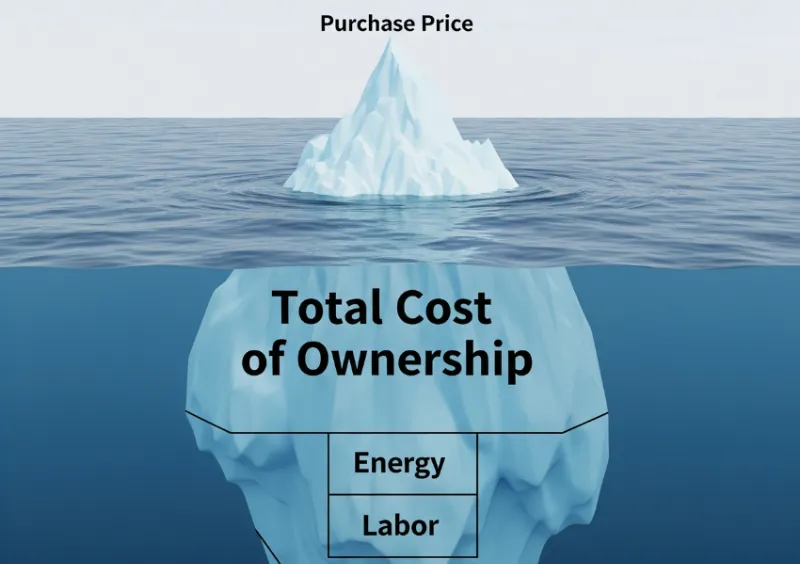
The price tag on the oven is only part of the story. A true business-savvy decision looks at the full financial picture.
The Real Cost: Total Cost of Ownership (TCO)
TCO is all the money you’ll spend on the oven from the day you buy it until you replace it.
Buying the Oven (CapEx): The initial price. Tunnel ovens have the highest CapEx, followed by rotary, and then convection. But that’s just the beginning.
Running the Oven (OpEx): The ongoing costs that define your long-term profitability. OpEx includes energy consumption, labor, maintenance, and spare parts. This is where the real money is spent over time.
Hidden Costs: The money you lose from biscuits that don't come out right, unscheduled downtime when the machine breaks, and the cost of the labor needed to manage production.
Did you know? According to a recent report on manufacturing TCO by leading consulting firm
The Big Payoff: Return on Investment (ROI)
Your ROI shows how quickly the oven pays for itself and starts making you money. It’s all about the savings you get from:
Increased Production: A more efficient oven can produce more biscuits per hour, increasing your sales and revenue.
Reduced Labor Costs: Automation in a tunnel oven means you need fewer people to operate the line.
Lower Energy Bills: Modern ovens are designed to use less energy per unit of output.
Less Waste: A consistent oven produces fewer defective biscuits.
Here’s the thing: A tunnel oven might cost a lot at first, but it can pay for itself in labor and energy savings much faster than other types. A study by the
The Payback Paradox: Why Cheaper Can Cost More
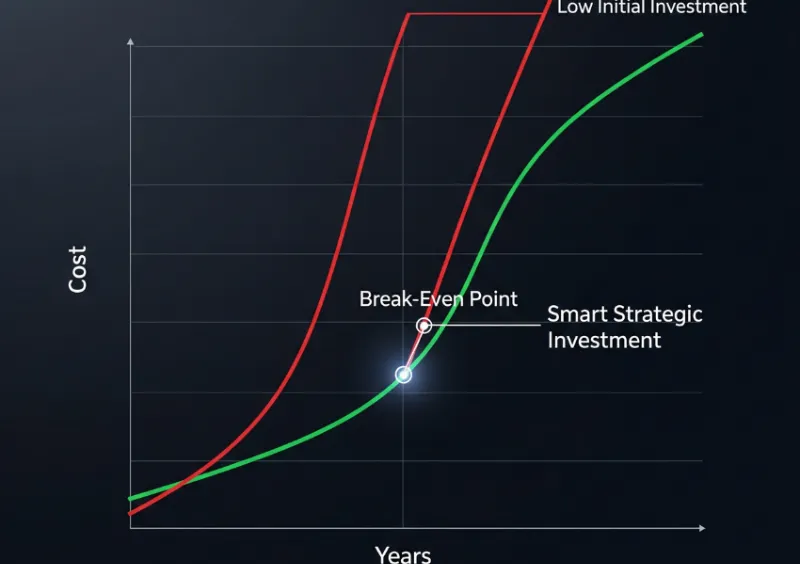
It's tempting to choose the cheapest oven to keep your upfront costs low. But this can lead to what we call the "Payback Paradox."
Imagine you choose a cheaper, less automated oven. You save on CapEx, but your OpEx skyrockets. You need more workers to manage the line, you lose money from wasted product, and frequent breakdowns eat into your production schedule. Your ROI is slow, and your TCO over a 10-year period could be far higher than if you had just invested more wisely from the start.
The oven that seems to save you money on day one often ends up costing you a fortune in lost opportunities and higher operational expenses down the road.
Making the Right Choice: Your Buying Checklist
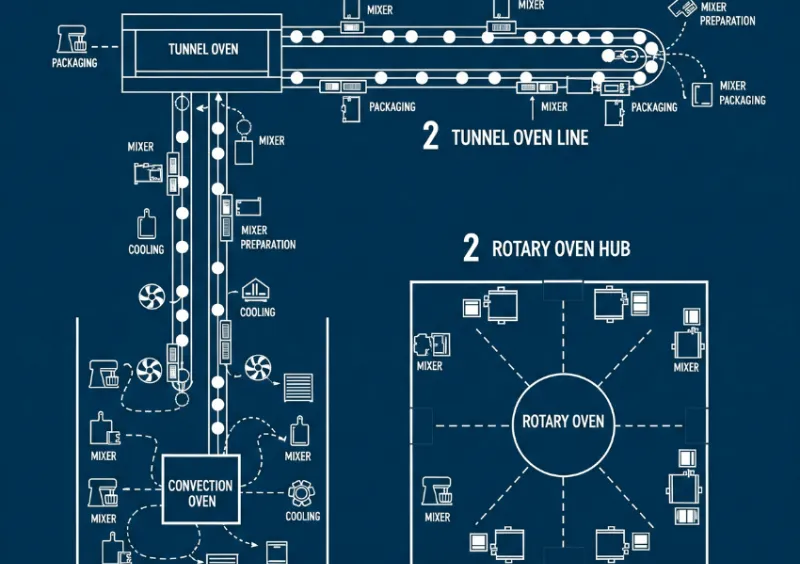
There’s no single "best" oven. There’s only the best oven for your business. Use this checklist to help you decide.
How much do you need to make? This is the most important question. If you have big, steady orders for one product, a tunnel oven is the way to go. If you need to make small batches of many different things, a rotary or convection oven is a better fit.
What are you making? Do you have a small product line or a very diverse one? A tunnel oven is perfect for making one kind of biscuit perfectly, while a rotary oven gives you the flexibility to bake many different types.
How much space do you have? Tunnel ovens are long and need a lot of room. They are the giants of the baking industry. Rotary ovens are taller but take up less floor space. .
How much does labor cost where you are? If wages are high, a highly automated tunnel oven will save you a lot of money in the long run. The cost of labor is a key driver of your TCO.
What kind of fuel do you want to use? Ovens can run on gas, electricity, or be a hybrid.
Your local energy costs will be a big factor here. Gas is often cheaper, but electricity offers more precise control. What are your sustainability goals? Modern, efficient ovens use less energy, which lowers your carbon footprint.
This is an important consideration for your brand's reputation and for meeting future regulations.
The most successful factory teams work together to pick an oven that not only fits their current needs but also helps them meet their goals for the future.
Long-Term Value and Support
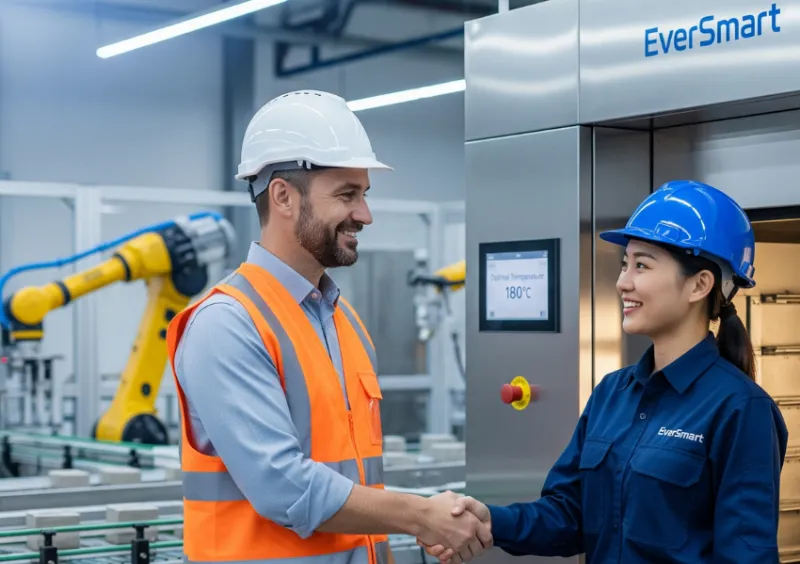
An oven is a long-term asset. You're not just buying a machine; you're entering a relationship with a supplier.
Maintenance & Lifespan: A high-quality tunnel oven can last for 20, 30, even 40 years with proper maintenance. It's built for continuous use. You should ask about a supplier's maintenance plan, spare parts availability, and after-sales support. A reliable machine with a long life cycle is the ultimate form of a low TCO.
Technology and Upgrades: What about future upgrades? Can the oven be fitted with new technology down the road? A well-built oven with a solid control system can be a platform for future innovation, protecting your investment.
Frequently Asked Questions
1. What’s the typical payback period for a tunnel oven?
For most big factories, a tunnel oven pays for itself in 12-18 months. The fast ROI comes from big savings on labor and less wasted product.
2. Is a tunnel oven hard to maintain?
While the upfront cost is higher, modern tunnel ovens are built for durability and are surprisingly low-maintenance.
3. How long does it take to get a new oven set up?
A small convection oven can be ready in days. A rotary oven might take a few weeks. A full-scale industrial tunnel oven requires more extensive planning and commissioning, typically taking 2-4 months from delivery to full production.
4. Can I customize an oven for my biscuits?
Absolutely. A great thing about modern industrial ovens, especially tunnel ovens, is their modular and customizable design. Factors such as oven length, belt width, and heating zones can be tailored to meet the specific requirements of your unique products, from thin crackers to thick cookies.
5. What if our factory doesn’t have a lot of space?
If you can’t fit a long tunnel oven, a rotary oven might be your answer. It uses vertical space, so it has a smaller footprint while still handling big batches.
6. What kind of training do you offer for our staff?
We provide comprehensive training programs to ensure your team can maximize the oven’s efficiency and performance. This includes everything from basic operation to advanced maintenance and troubleshooting.
Ready to Make a Smarter Investment?
This guide has given you the facts to help you decide. Now, it’s time to find the right solution for your factory.
Want to see the numbers?
Explore Our Solutions
Learn more about our core technology and how it can help you grow.
See It in Action
Email us for projects cases to see how we’ve helped other factories succeed.

Ready to start your journey toward a customized solution? Contact me directly on WhatsApp to begin the conversation.