How to Pack Fragile Cookies: The Industrial Guide to Zero-Breakage Shipping
The Industrial Guide to Zero-Breakage Shipping: How to Pack Fragile Cookies on a Massive Scale
For large-scale cookie production facilities, mastering the cookies pack process is a major determinant of profitability. While many resources address "how to pack fragile cookies in a bag?" for home bakers, industrial operations require a robust, automated solution to the "how to pack and ship cookies" dilemma. This guide provides the essential tips for packing and shipping cookies on a massive scale, transforming your packaging line from a source of loss into a model of efficiency and integrity.
The Core Problem: Why Do Fragile Cookies Break?
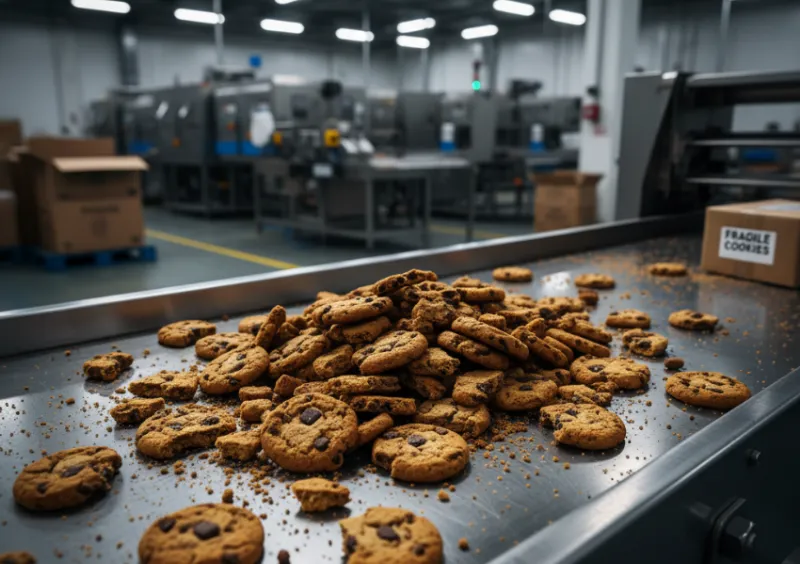
In a factory setting, product damage isn't random. It’s a systemic issue tied to specific points in the production process. The primary cause of breakage is manual handling at transfer points. From the moment a cookie leaves the cooling conveyor to its final placement in a shipping case, every step involving human hands or abrupt machine transitions introduces a significant risk of product loss.
Our goal is to eliminate these high-risk areas through gentle, intelligent automation.
Phase 1: Automating the Production Line for Zero-Breakage Packaging
The journey to zero breakage begins at the very first point of contact with the finished product.
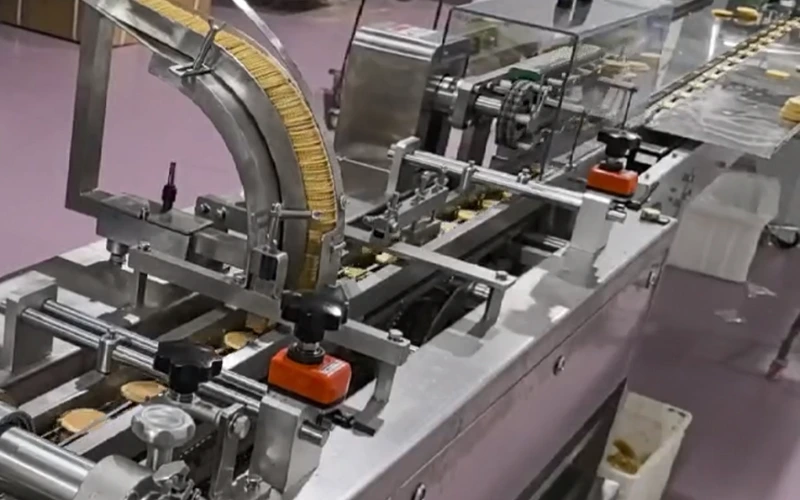
1. Integrating Automated Pick-and-Place SystemsFor any factory manager seeking the "best way to package cookies" to prevent damage, the answer starts with automating the first point of contact.
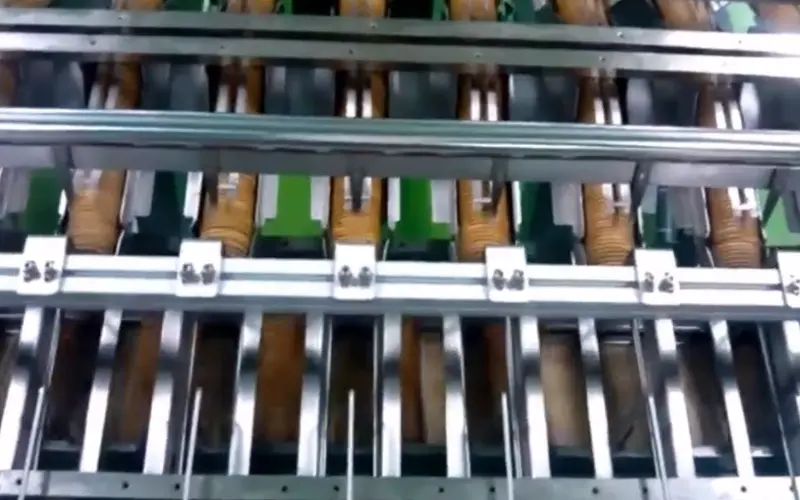
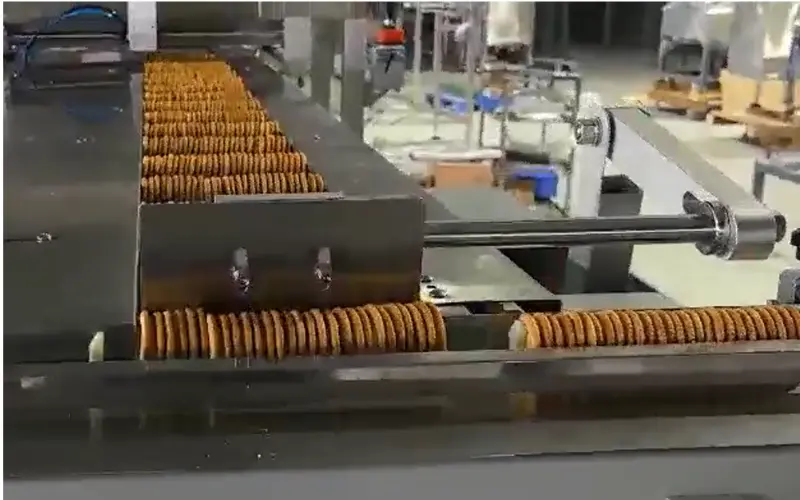
The Solution: Integrate a specialized biscuit auto feeder.
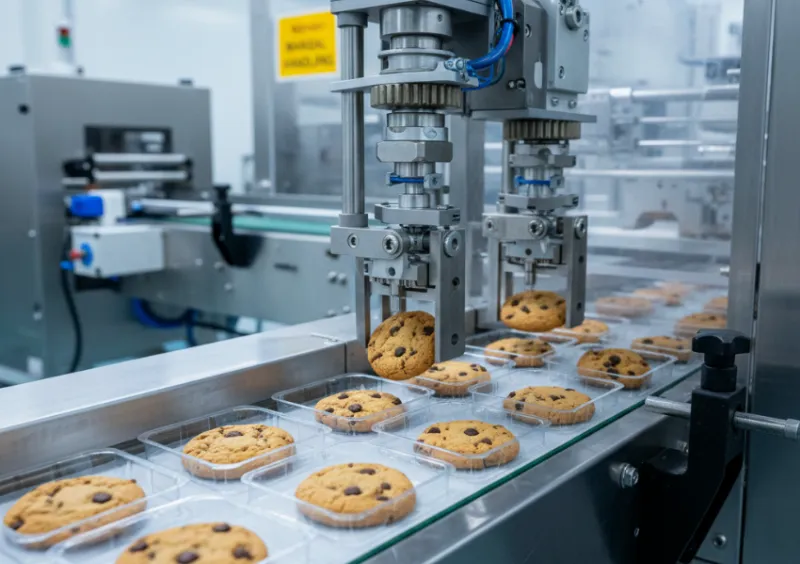
Key Integration Points: This automation is most effective post-cooling tunnel, where products are structurally sound but most vulnerable to handling damage.
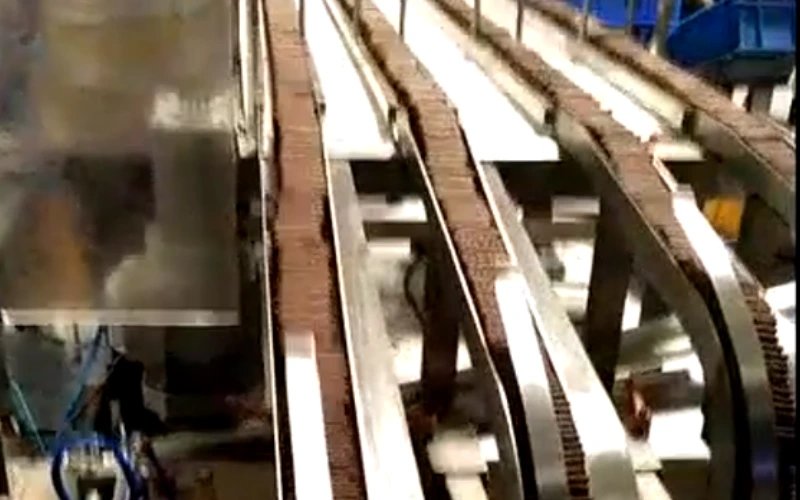
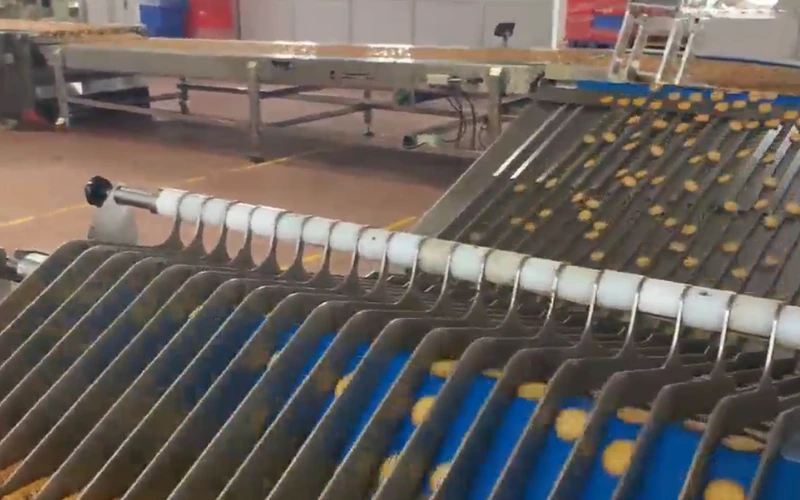
2. Implementing Precision Conveyor TransfersThe "how to package cookies for shipping" process involves minimizing high-risk transfer points between conveyor belts.
Utilizing Low-Friction and Guide Systems: Precision engineering ensures products move smoothly without tipping or catching, a core principle of industrial cookies pack safety.
The Role of Servo-Driven Belts: Programmable conveyors synchronize speeds and create precise gaps for downstream machinery, preventing the product-on-product collisions that cause breakage.
Phase 2: Essential Tips for Packing & Shipping from the Factory Floor
The industrial philosophy for "how to pack and ship cookies" extends from the primary wrapper to the shipping pallet, requiring a systems-thinking approach.
1. Selecting the Right Primary Packaging MaterialsThe first layer of defense in any cookies pack strategy is the primary package itself.
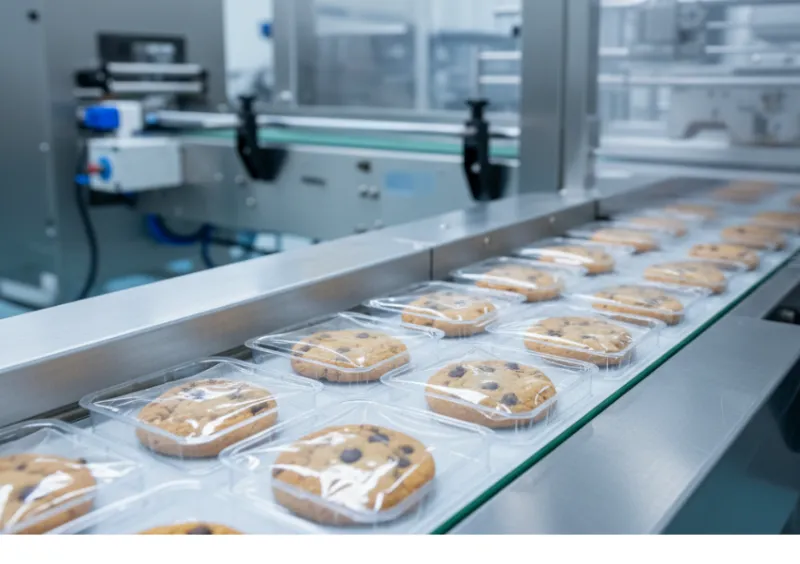
Rigid Trays and Form-Fitted Blisters: For extremely fragile products, these trays cradle each biscuit individually, preventing movement and answering the demand for the "best way to package cookies" for premium items.
Optimized Flexible Film Wrapping: For flow-wrapping operations, film type, seal quality, and tightness are crucial to create a snug package that protects without crushing the product.
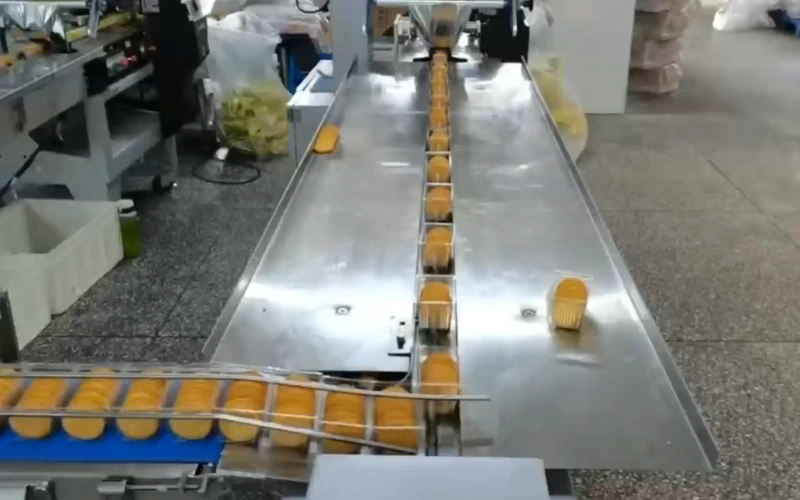
2. Automating the Cartoning and Tray Loading ProcessThis stage is where the most significant gains in reducing breakage are made, moving beyond the need for a simple "suggestion on how to pack my cookies" to a full engineering solution.
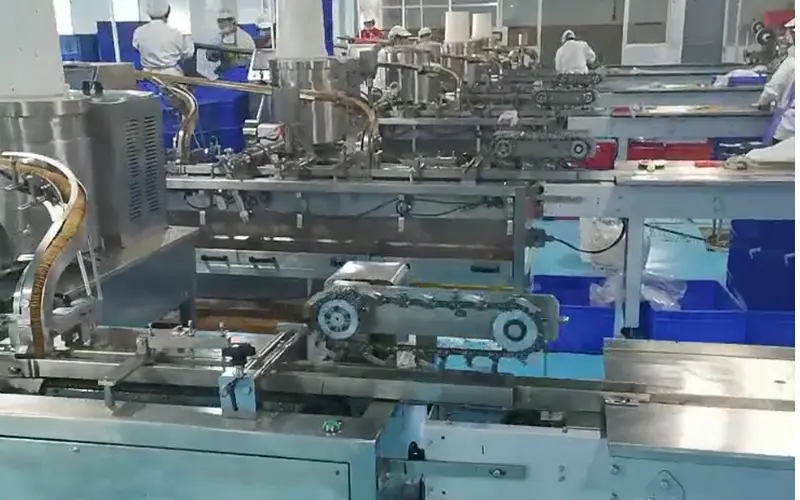
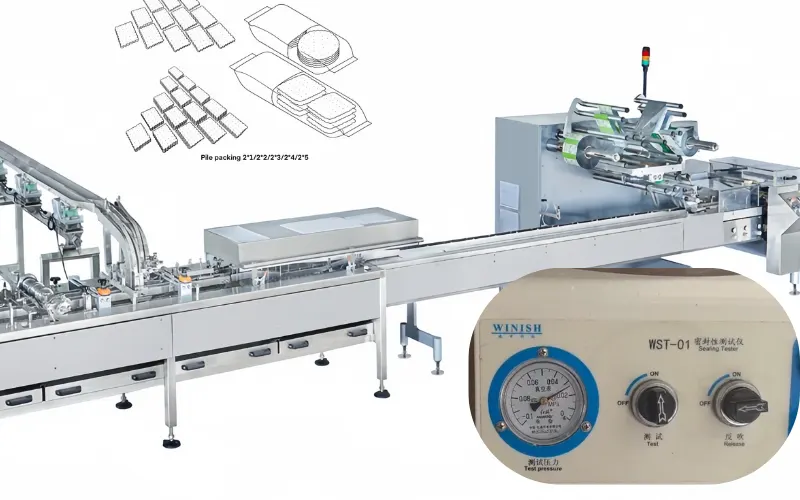
The Solution: Biscuit Stackers: An automated biscuit stacker gently collects wrapped or trayed products and places them into cartons in a precise, pre-programmed pattern for optimal stability.
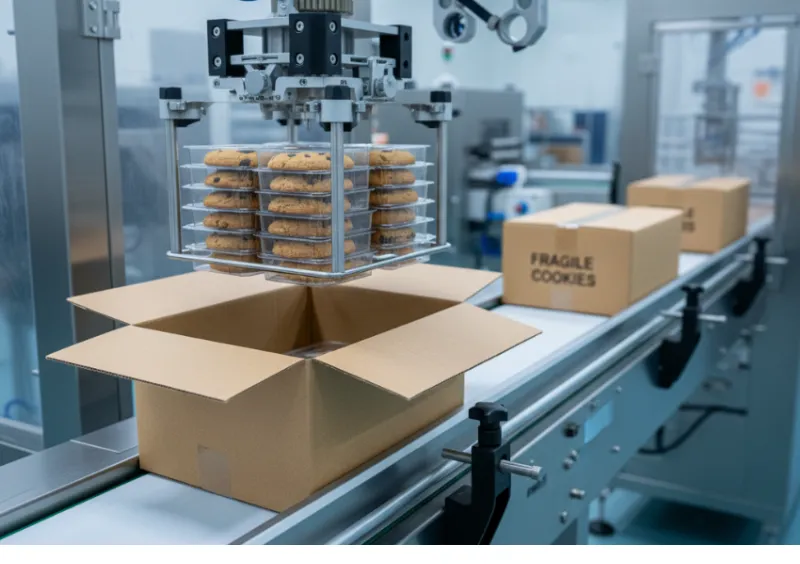
Eliminating Manual Steps: This integration eradicates the manual loading that is a primary contributor to product damage, solving the core "how to pack fragile cookies" challenge on your factory floor.
Phase 3: The Best Way to Package Cookies for Secure Shipping
The final step in the "how to package cookies for shipping" process is ensuring master cases survive the rigors of transportation from your dock to the destination.
Optimizing Case Packing with Internal Bracing: Advanced case packers can be programmed to insert corrugated partitions or air pillow systems inside the master case to immobilize the internal cartons, a pro tip among essential tips for packing and shipping cookies.
Palletizing Patterns for Stability: Robotic palletizers build stable, interlocked pallet patterns that won't shift during truck transport, protecting the entire shipment and securing your investment in product quality.
Why Does a Total System Solution Make Sense? The ROI of Automation
Investing in a fully integrated, automated line is more than just a cost—it's a strategic move that delivers rapid ROI.
Drastically Reduced Product Loss: By eliminating manual handling and optimizing transfer points, a total system can reduce product breakage by over 80%, directly increasing your saleable yield.
Lower Labor Costs: Automation reduces the need for manual staff on the packaging line, freeing up personnel for more complex or value-added tasks.
Higher Overall Line Throughput: Automated lines are faster and more consistent than human-led processes, leading to significant increases in hourly production.
Enhanced Brand Reputation: Delivering a product with zero breakage reinforces your brand’s commitment to quality and enhances customer satisfaction.
Frequently Asked Questions (FAQ)
Q1: What is the single biggest cause of breakage in an industrial cookie packaging line?A: The single biggest cause is manual handling at transfer points, particularly from the cooling conveyor to primary packaging and during carton loading. Automating these steps with
Q2: What packaging material is best for extremely fragile cookies?A: Beyond automation, rigid, form-fitted plastic or molded fiber trays are superior for delicate products. They provide essential structural support that prevents movement within the primary package, effectively addressing the "how to pack fragile snacks" challenge for high-value items.
Q3: How can we prevent damage during shipping and palletizing?A: Damage at this stage is prevented through internal bracing inside shipping cases and stable, robot-built pallets. Using partitions and programming palletizers for interlocked patterns are critical, often overlooked parts of the "how to pack and ship cookies" process that guarantee final-mile integrity.
Q4: Is investing in full automation worth the cost for a large biscuit factory?A: Absolutely. While the initial investment is significant, the Return on Investment (ROI) is quickly realized through drastically reduced product loss (increased yield), lower labor costs, higher overall line throughput, and enhanced customer satisfaction. It is the ultimate "best way to package cookies" at scale and transforms packaging from a cost center into a competitive advantage.
Ready to Solve Your Packaging Breakage for Good?
If you're looking for more than just a "suggestion on how to pack my cookies" and need a full-scale industrial solution to eliminate loss, it's time to partner with an expert.
Let
Our specialists conduct in-depth line audits to identify key loss points and integrate tailored automation solutions that deliver a rapid ROI.
Contact Us Today for a Free Line Audit and Consultation
Discover how our integrated Biscuit Auto Feeders and Biscuit Stackers can protect your product, your reputation, and your bottom line.

Ready to start your journey toward a customized solution? Contact me directly on WhatsApp to begin the conversation.