The Definitive Buyer's Guide: Selecting the Right Automatic Packaging Machine for Peak ROI
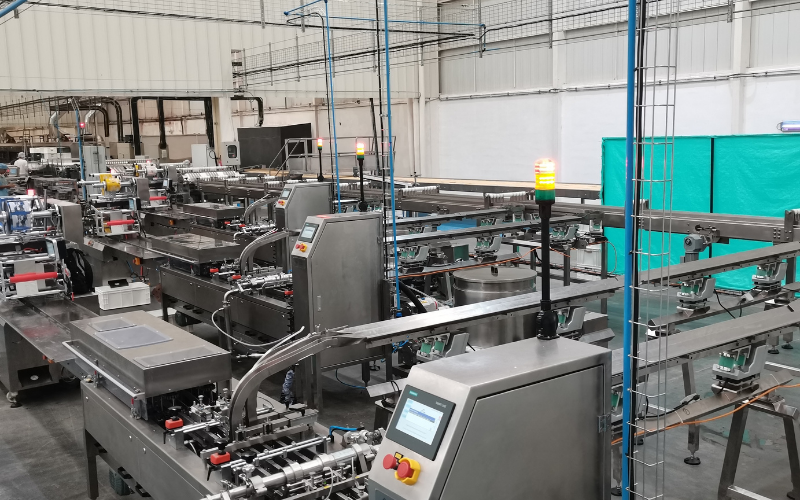
Ever feel stuck with common production headaches? Your packing team is overwhelmed, orders are piling up, manual packing leads to costly errors, and rising labor costs are eroding profitability. This is not a sustainable model. The solution lies in strategic automation.
This comprehensive guide is designed to transform your operations by detailing the technology, quantifying the benefits, and providing an expert checklist for selecting the automatic packaging machine that will boost efficiency, guarantee quality, and drive long-term cost savings.
1. Automatic Packaging Machines: The Engine of Modern Production
An automatic packaging machine is an integrated, tireless system that performs all necessary packing tasks with super-precision, transforming raw product into a market-ready package.
1.1 Core Functions and Technical Capabilities
Beyond simple feeding and sealing, modern systems automate complex processes:
Dosing and Filling: Accurately weighing or volumetric filling product into the package. High-end systems utilize precise technologies like multi-head weighers for speed or servo-driven auger fillers for powder accuracy.
Forming and Sealing: Converting flat film into three-dimensional packages, followed by secure, hermetic sealing and coding.
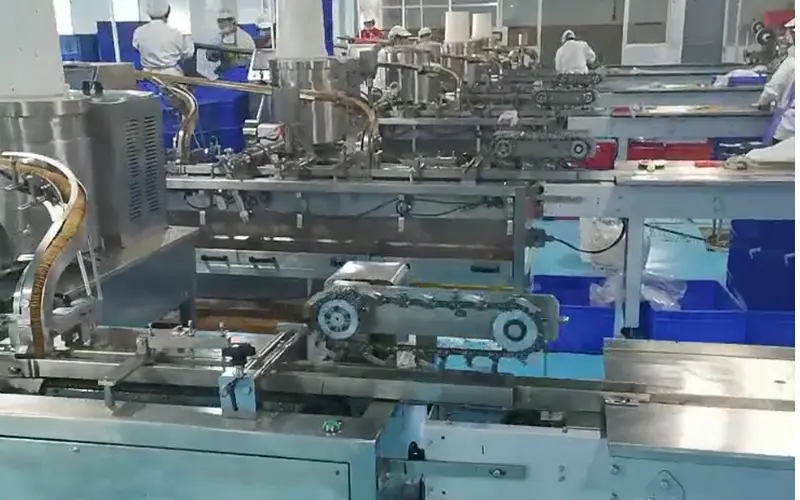
Quality Control & Finishing: High-end models integrate checkweighing for unqualified product rejection, metal detection, and robotic finished product organization (stacking/case packing).
1.2 Versatility Across Applications
The right machine, equipped with the correct dosing system and tooling, can seamlessly handle vast product types:
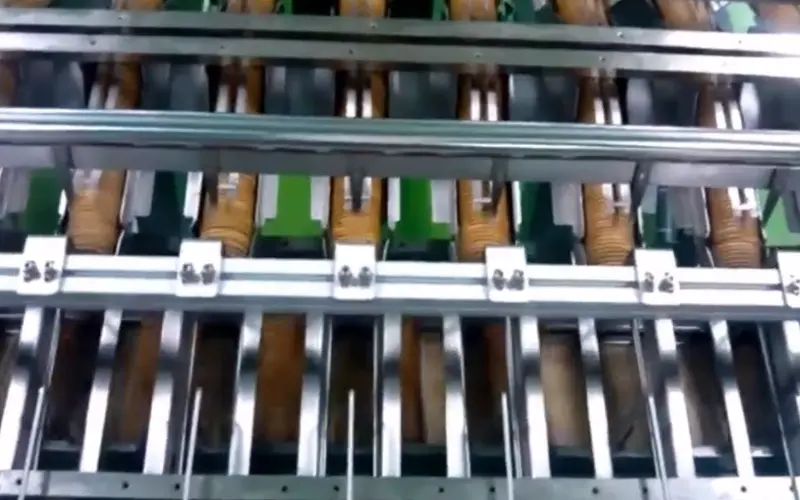
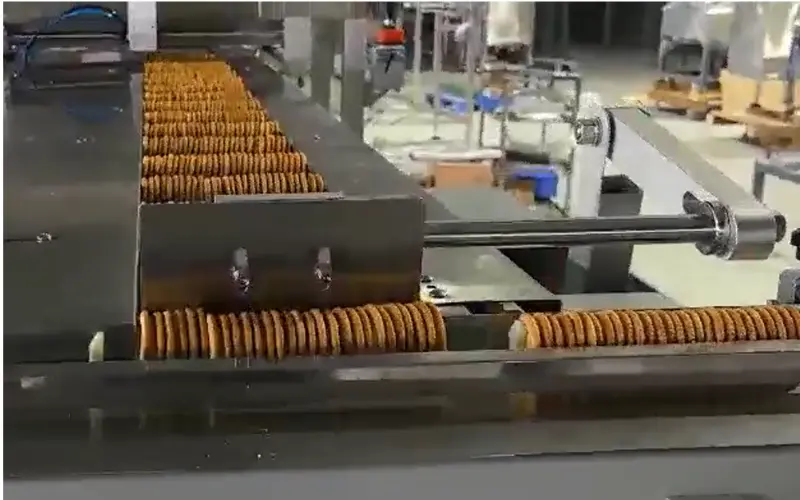
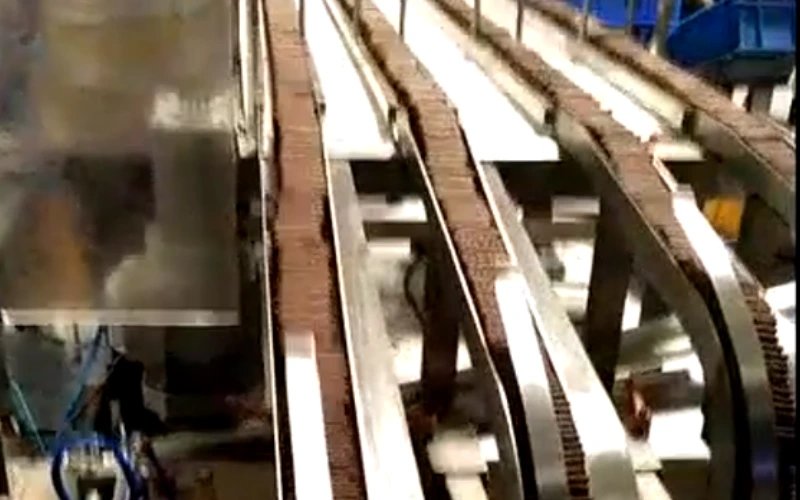
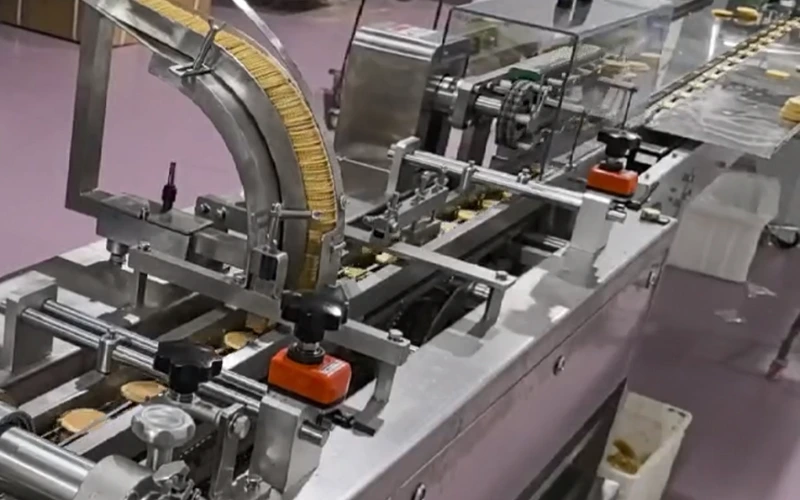
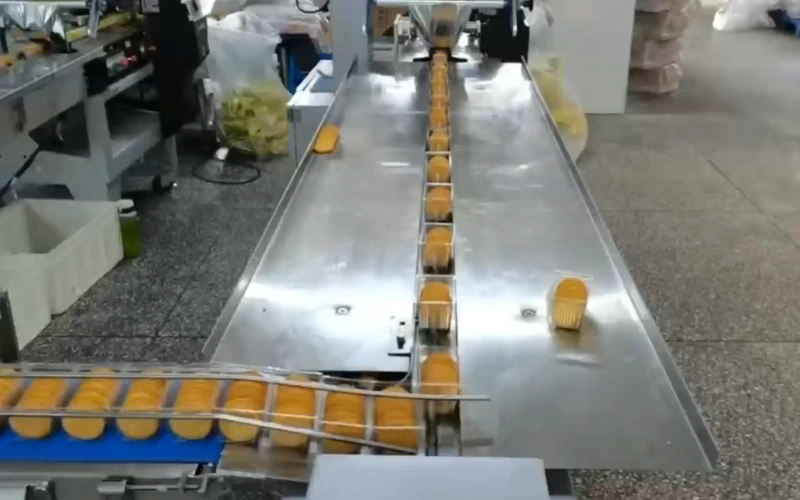
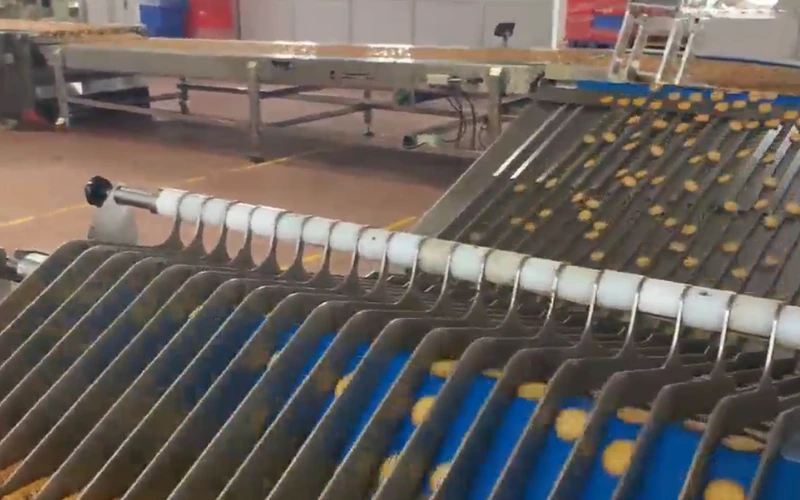
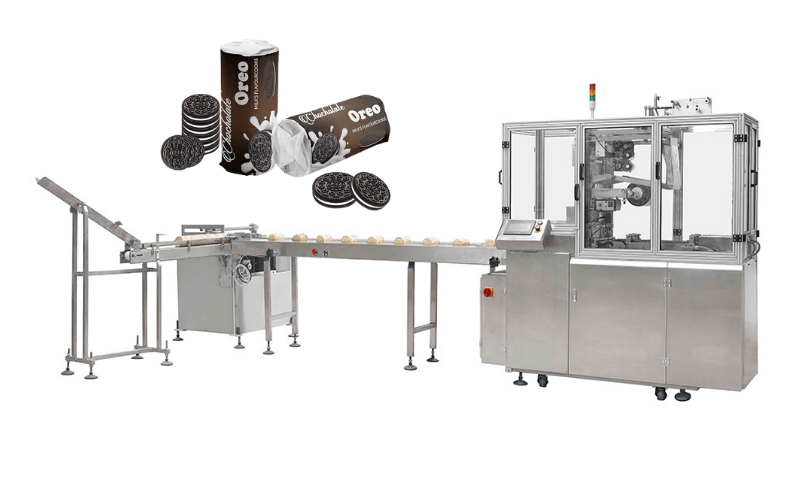
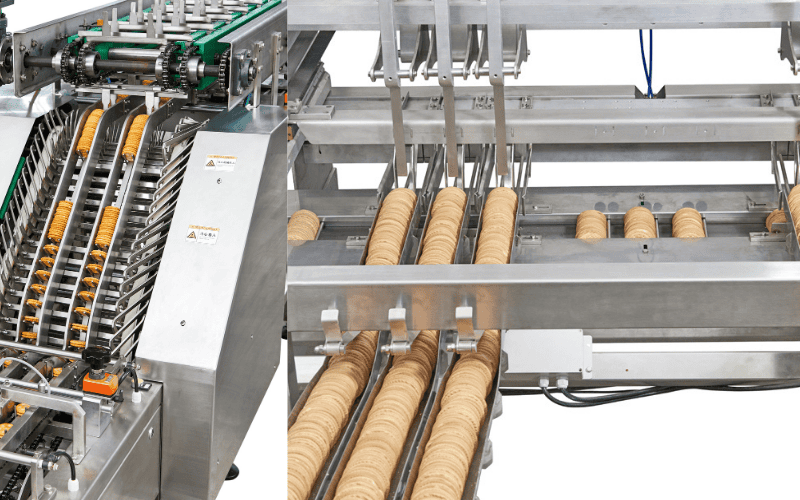
Bakery & Snacks: Biscuits, cookies, cakes, muffins, and super thin potato chips.
Granular & Powder: Coffee, flour, sugar, hardware components.
Pharmaceuticals: Tablets, powders, and medical devices (requiring specialized cGMP validation).
2. Quantifying the Investment: Game-Changing Business Benefits
The decision to automate is justified by immediate and long-term financial and operational gains.
2.1 Slash Your Labor Costs (Accelerated ROI)
As staffing costs rise and skilled labor becomes scarce, automation provides a critical financial buffer.
Cost Efficiency: One machine can replace several workers, operating non-stop, 24/7.
Real-World Example: A food factory owner needed 10 people for their packing process. After installing a machine, only 1-2 people were needed for oversight. In just one year, they saved hundreds of thousands of dollars in labor costs alone, often achieving full machine ROI within 1-3 years.
2.2 Double Down on Safety & Quality (Establishing Trust)
Automation eliminates human variables, leading to superior product integrity and compliance.
Top-Notch Hygiene: Machines handle materials without direct human touch, significantly reducing the risk of product contamination—a critical factor for top-notch hygiene and product safety.
Error Reduction: Advanced PLC and Servo control systems ensure stable performance and minimized packaging errors. This is crucial in sectors like pharmaceutical packaging, where every single box must meet stringent quality standards.
2.3 Boost Production Efficiency Dramatically
Automation provides the necessary elasticity to handle market volatility and sudden demand surges.
Speed Advantage: Machines can operate 5-8 times faster than manual packing.
Market Responsiveness: Real-World Example: An e-commerce manufacturer used packaging machines during a major sales event to quickly pack and ship mountains of orders. This rapid response met market demand, kept customers happy, and naturally boosted their reputation and sales.
2.4 A Smart Long-Term Capital Investment
With proper preventive maintenance, an automatic packaging machine is a durable asset that can easily last 10 years or more. Its consistent, high-efficiency operation generates far more value than its original cost, delivering substantial economic benefits over its lifespan.
3. Finding Your Perfect Match: Key Machine Technologies
The ideal machine depends entirely on your product's flow properties and the required packaging format.
3.1 Pouch Packing Machine (Rotary Pre-made Pouch Filler)
The Pouch Packing Machine is a versatile solution using pre-made bags for premium packaging.
How it works: Precise robotic arms pick up pre-made pouches (stand-up, zipper, or custom), open them, and securely position them under the filling spout. An intelligent microcomputer guides the seamless process of filling and sealing.
Key Benefits:
Incredible Versatility: Handles diverse package styles with minimal adjustments.
Quick Changes: Switch packaging sizes by simply changing the gripper or mold in minutes, improving Operational Equipment Effectiveness (OEE).
Ideal for: High-variety products in food and household chemicals where presentation and shelf appeal are critical.
3.2 Pillow Packaging Machine (Vertical Form-Fill-Seal - VFFS)
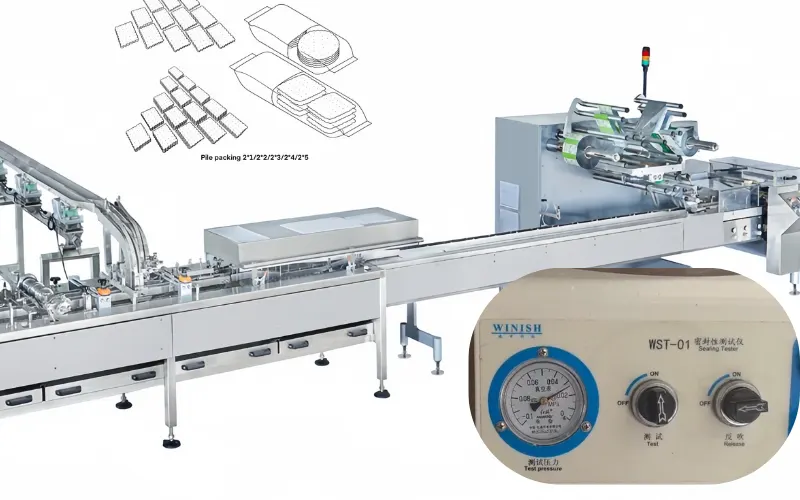
The VFFS machine is the flow-wrapping powerhouse, prioritizing throughput and cost efficiency.
How it works: It takes roll-stock packaging film and continuously transforms it into bags. Simultaneously, it measures, seals, codes, and cuts—all in one smooth, vertical operation.
Material Compatibility: Works seamlessly with common materials like plastic composite film, aluminum foil composite film, and paper composite film.
Cost Efficiency: Dramatically boosts efficiency and lowers raw material and labor costs, offering significant advantages in unit packaging cost for high-volume production.
Ideal for: Standardized products like snacks, candy, and single-serve items, ensuring consistent, high-volume output. (For a strategic breakdown, compare the two systems in our detailed analysis:
VFFS vs. Rotary Pouch: Which Packaging System is Right for Your Business?
4. Buyer's Guide: The Critical Selection Checklist
The automatic packaging machine market is vast. Use this checklist, focused on technical requirements and long-term TCO (Total Cost of Ownership), to avoid costly mismatches.
4.1 Production and Throughput Analysis
Packs Per Minute (PPM) Requirement: Assess your typical and peak order volume. Always select a machine that can meet your peak demand at 80% of its rated capacity to ensure longevity and minimize maintenance. Avoid "overkill" or constantly overworked equipment.
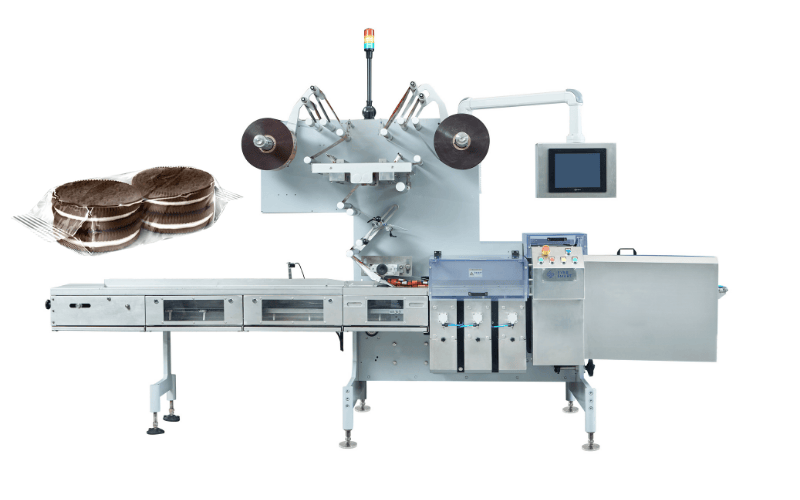
Line Integration: Will the machine connect seamlessly with your upstream equipment (e.g., your
cookie capper machine
4.2 Technical and Material Compatibility
Dosing System: The most critical component. The machine's filler must match the product's properties. Powders require an auger filler, granules often use a multi-head weigher, and liquids need piston/pump fillers. (To understand your options, read:
Choosing the Right Dosing System: Multi-Head Weigher vs. Auger Filler Technical Analysis Material Characteristics: If your product is corrosive or high-salt, the machine's contact parts must be specified as corrosion-resistant ($SUS 316$). If the product is fragile, the feeding and handling system must be designed for gentle transfer.
4.3 Component Quality and Long-Term Support
Control Systems: Prioritize machines using internationally recognized brands for their PLC, HMI, and Servo Drives (e.g., Siemens, Allen-Bradley, Mitsubishi). This guarantees advanced technology, system stability, and global spare parts availability.
After-Sales Service: Look for companies with mature technology and excellent service. EverSmart is a seasoned leader in this field, offering full-service support: equipment selection, guaranteed installation and commissioning, and responsive remote diagnostics and maintenance to ensure seamless integration.
4.4 Financial Planning
Total Cost of Ownership (TCO): Balance performance and price. Factor in the long-term costs of maintenance, energy consumption, and labor savings, not just the initial purchase price. Avoid chasing the lowest price, which often results in higher maintenance costs down the line.
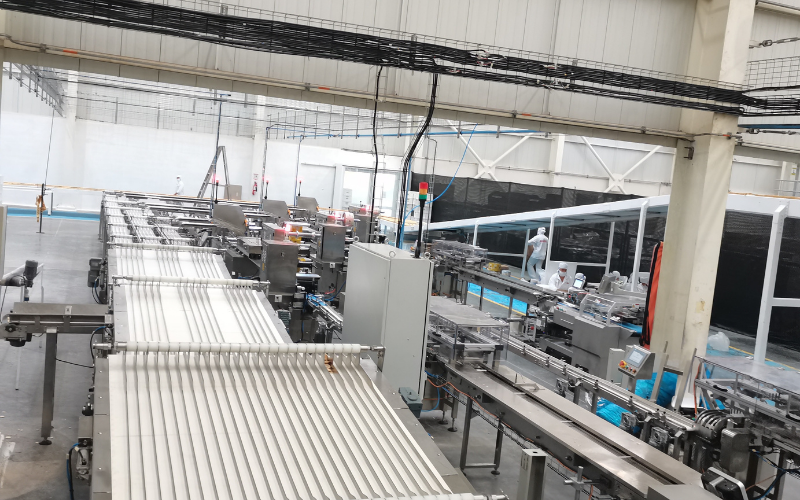
Choosing the right automatic packaging machine is like installing a "turbocharger" for your business!
It's more than just an equipment upgrade; it's a crucial step towards efficient, intelligent production. By following these guidelines for precise selection, you'll fully leverage your packaging machine's advantages, boosting efficiency, ensuring quality, and cutting costs. This will help your business stand out in a competitive market and thrive!
Contact Us
Ready to transform your packaging process? Have questions about automatic packaging machines or need tailored solutions? Reach out to the experts at EverSmart.Phone (Whatsapp: +86 13794619343Email: [email protected]Address: 402, Building 6, Jilong Intelligent Park, No.52 Xilian Road, Longyan Village, Leliu Street, Shunde District, Foshan City, Guangdong Province, China.Website:
Engage with Us!
Do you have specific challenges related to packaging automation in your facility? Share your thoughts or questions in the comments below! Found this guide helpful? Don't forget to share it with your professional network!
Frequently Asked Questions (FAQ)
Q1: How much space does an automatic packaging machine need?A1: The space required varies significantly by machine type and model. For example, a compact vertical FFS machine might fit in a smaller footprint, while a multi-lane horizontal FFS or a large rotary pouch machine will need more room. Always consult the manufacturer's specifications and your layout requirements.
Q2: How long does it take to install and set up a new packaging machine?A2: Installation and setup time depends on the machine's complexity and your existing infrastructure. Simple machines might be ready in days, while complex, integrated lines could take weeks. Factor in time for testing, calibration, and training your operators.
Q3: What kind of maintenance do these machines require?A3: Most automatic packaging machines require routine preventive maintenance, including cleaning, lubrication, checking wear parts (like seals, belts, grippers), and periodic calibration. Following the manufacturer's recommended maintenance schedule is crucial for optimal performance and longevity.
Q4: Can these machines handle multiple product types or packaging sizes?A4: Yes, many modern machines are designed for flexibility. Pouch packing machines, for instance, are excellent at handling various bag types and sizes with quick changeover times. FFS machines might require different forming tubes or sealing jaws for varying bag widths/lengths. Always check the machine's specifications for its versatility.

Ready to start your journey toward a customized solution? Contact me directly on WhatsApp to begin the conversation.