Strategic Maintenance Guide: Boosting OEE and Compliance on Your Bourbon Biscuit Line
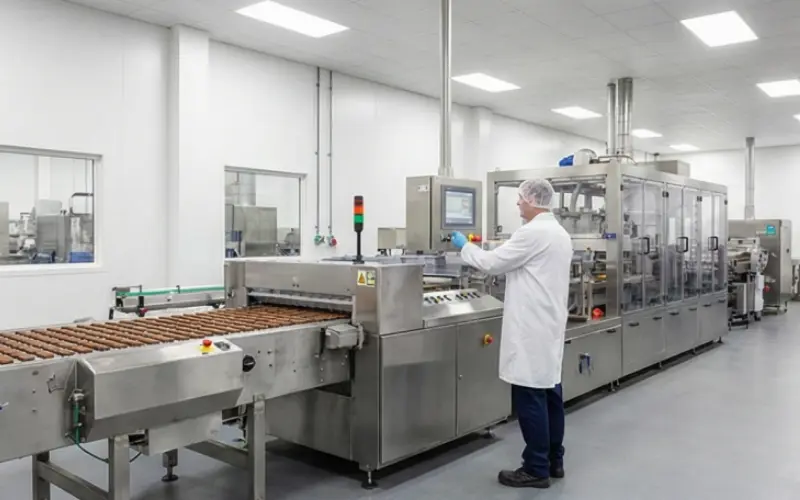
Keeping the machinery clean of dough residues, crumbs, and other debris minimizes the risk of contamination and ensures optimal performance. Additionally, lubricating moving parts such as bearings, rollers, and chains reduces friction and prevents premature wear.
For high-end sandwich products like the Bourbon Biscuit, these basic maintenance principles are just the starting line.
The Bourbon biscuit is unique. Its rectangular structure, evenly distributed ventilation holes, and demanding requirements for cream thickness and alignment set it apart.
These features dictate that its production line must operate with extreme precision.
From dough mixing and rotary moulding to tunnel baking and the critical sandwiching process, every step demands accuracy.
Any minor deviation in any link can lead to immediate failure.
You might face issues like cream overflow or misaligned biscuits. Worse yet, these small issues can trigger severe production interruptions.
In the modern food factory, maintenance is no longer just a "cost center."
Bourbon biscuit line maintenance has become a strategic department.
It is essential for safeguarding
📋 Key Takeaways
Strategic Shift: Transform maintenance from "reactive repair" into a proactive investment that boosts OEE and lowers
Total Cost of Ownership (TCO) Safety Baseline: Strict adherence to LOTO (Lockout/Tagout) procedures is the absolute prerequisite for ensuring zero personnel injuries.
Compliance Essentials: Standardized maintenance and cleaning logs are critical evidence for passing HACCP and FSSC 22000 food safety audits.
Tiered Execution: Establish a three-level preventative maintenance system: Operator (Daily), Technician (Weekly), and Engineer (Monthly).
Technical Depth: Focus on deep maintenance of
sandwiching machine precision moulding die condition
1.0 The Iceberg of Downtime Costs: A Financial Perspective
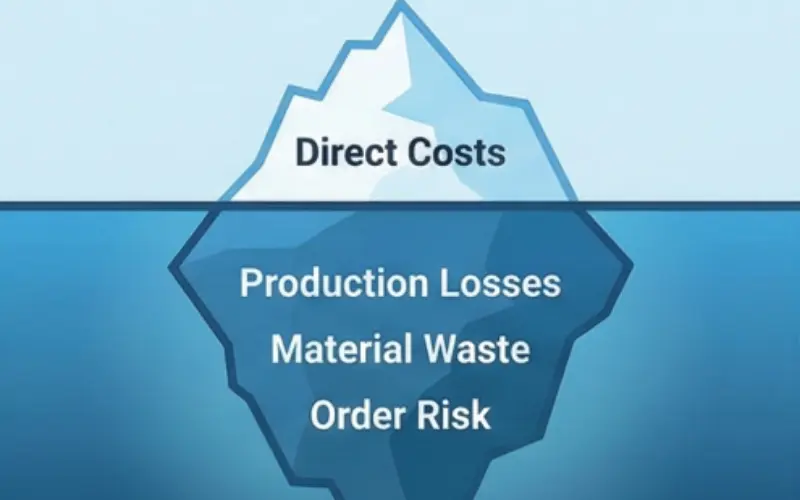
Many companies only see the direct costs of breakdown repairs. They focus on spare parts fees and maintenance labor hours. But this is just the tip of the iceberg. The real losses are hidden beneath the surface.
Production Losses: Consider the volume of Bourbon biscuits lost during one hour of downtime and the corresponding lost marginal profit.
Material Waste: Think about the in-process dough and cream fillings that must be scrapped due to an emergency stop.
Order Risk: Inability to deliver on time can lead to contract penalties or the loss of key customers.
Brand Reputation: If improper maintenance leads to metal foreign objects or lubricant contamination, the recall costs are catastrophic.
Therefore, building a systematic Preventative Maintenance (PM) system is vital.
It is the most effective investment for reducing
Note: Industry estimates suggest that the "hidden downtime costs" caused by improper maintenance are often 5 to 10 times higher than explicit repair expenses.
2.0 The Cornerstone of Maintenance: Safety and Compliance
Before diving into technical details, we must establish two insurmountable principles. Personnel safety and food safety are non-negotiable. This is the essential difference between a professional factory and a small workshop.
2.1 The "Zero Harm" Prerequisite: LOTO (Lockout/Tagout) Protocols
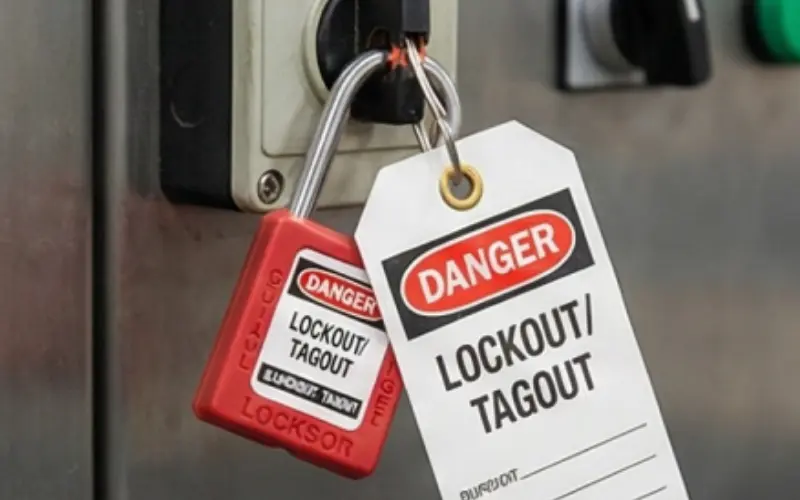
As a maintenance or mechanical engineer, your life is worth more than any production target.
You must strictly enforce
Cut the Energy: This isn't just about electricity. You must also release residual pneumatic pressure (like sandwiching machine pushers), hydraulic energy, and mechanical potential energy.
Lock and Tag: Maintenance personnel must use their personal locks to secure energy switches and hang warning tags.
Verify "Zero Energy": Before starting work, attempt to start the equipment to ensure it cannot run. Verify that energy is completely cut off.
Eversmart Recommendation: Never skip LOTO steps just to save a few minutes of repair time.
2.2 Auditable Maintenance: Meeting HACCP & FSSC 22000 Requirements
Bourbon biscuit cream fillings are a breeding ground for microorganisms. Maintenance work must be tightly integrated with your food safety plan.
Food Grade Lubricants (H1): Any part that might incidentally contact the product must use
NSF H1 certified food-grade grease. This includes bearings above moulding dies or sandwiching conveyor chains.Cleaning Verification: Maintenance logs must record more than just "cleaned." They must state "Cleaned according to SOP-C-05 standards, ATP swab test passed."
This level of detail is crucial when facing external food safety audits from bodies governing
HACCP orFSSC 22000 .
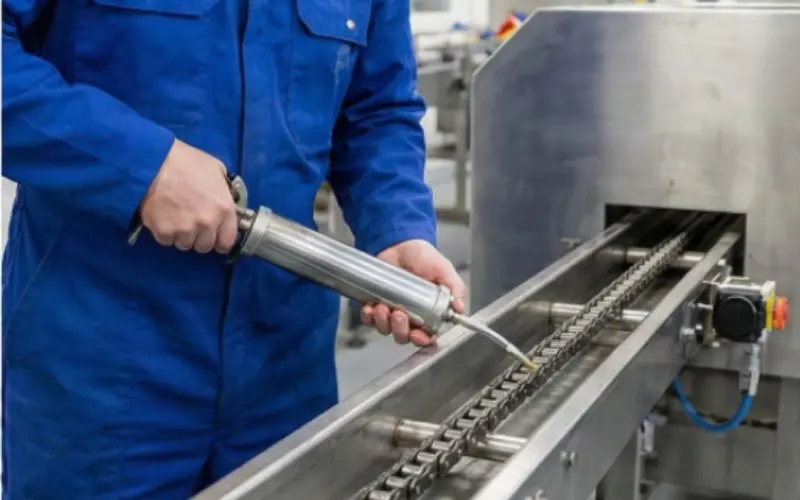
Pro Tip: Use color-coded grease guns in the workshop (e.g., white for H1 food-grade, yellow for non-food-grade). This effectively prevents lubricant cross-contamination.
3.0 Preventative Maintenance Execution Checklist (Tiered by Role)
Efficient maintenance requires everyone's participation. We break down tasks into three levels: Operator (Daily), Maintenance Technician (Weekly), and Professional Engineer (Monthly).
3.1 Daily Maintenance (Operator Level - Pre/Post Shift)
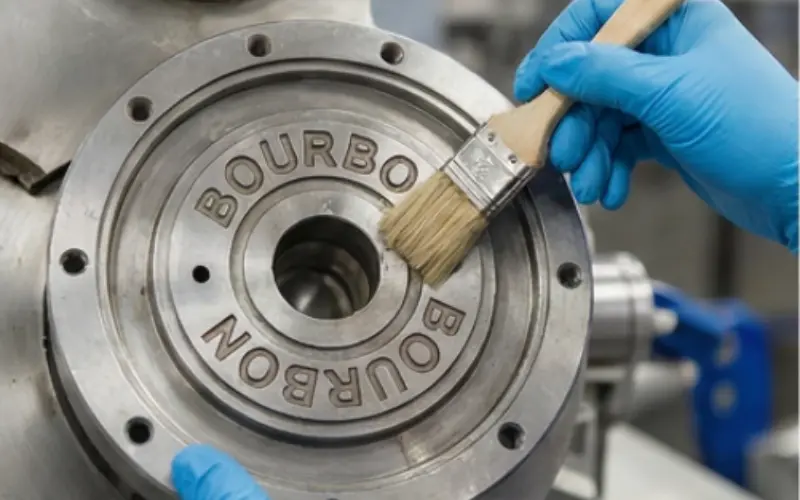
Operators are the "first guardians" of the equipment. Their core tasks are maintaining cleanliness and spotting anomalies early.
Sanitation Focus:
Sandwicher Nozzles Moulding Dies Sensor Wiping: Gently wipe the photo-eyes used for biscuit counting and positioning. Accumulated flour dust can blind them and cause false operational errors.
Inspection Routines:
Auditory Check: Is the equipment making any abnormal sharp grinding sounds or dull thumping noises while running?
Visual Check: is the conveyor belt tracking correctly? Are all safety guards back in place? Is the emergency stop button intact and accessible?
Pro Tip: The best daily maintenance is "Clean to Inspect" (CIL). Train operators to check for loose bolts or abnormal wear while they are wiping down the equipment.
3.2 Weekly Maintenance (Technician Level)
Deep Lubrication: Perform lubrication point checks on high-speed chains and bearings according to the equipment manual. Be careful not to over-lubricate, as excess grease attracts dust and forms abrasive sludge.
Tightening and Adjustments:
Check and adjust conveyor belt tension. Too loose leads to slippage; too tight accelerates bearing wear.
Check the torque of all drive motor anchor bolts and gearbox connection bolts.
Basic Electrical Care:
Clean the cooling fan filters of the main control cabinet. Clogged filters cause Variable Frequency Drives (VFDs) to overheat and trip, directly causing downtime.
3.3 Monthly Maintenance (Engineer Level)
Comprehensive Calibration:
Cream Weight Calibration Temperature Calibration: Use an independent thermometer to calibrate the thermocouple readings in each zone of the tunnel oven.
Wear Part Assessment:
Inspect the moulding machine's canvas belt for wear. Plan replacements early if there are signs of fraying or tearing.
Check the wear on sandwiching machine star wheels or pusher plates, as this directly affects biscuit alignment accuracy.
Predictive Prep: Perform insulation resistance tests on critical motors. Inspect air filters and oil mist lubricators in the pneumatic system.
CTA Pro Tip: Click here to get a Printable Bourbon Biscuit Line Preventative Maintenance Checklist PDF (Simulated CTA Link). Deploy it directly to your shop floor today.
4.0 Key Component Focus and Technical Optimization
For the core equipment of a Bourbon biscuit line, we need deeper technical maintenance strategies.
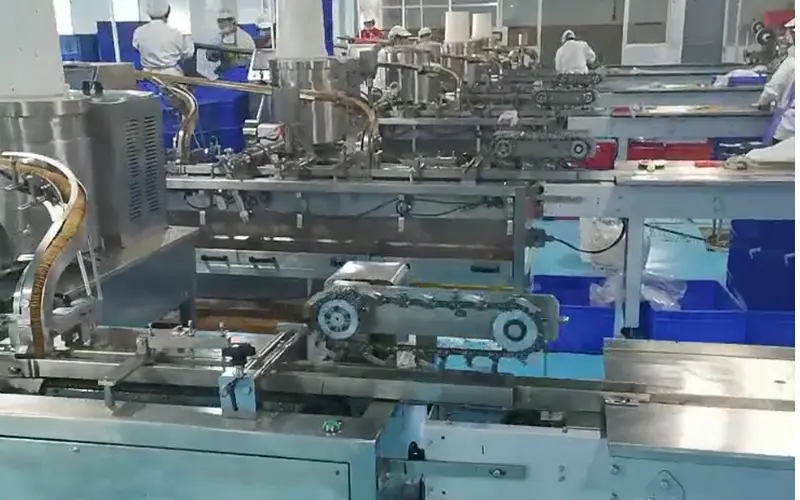
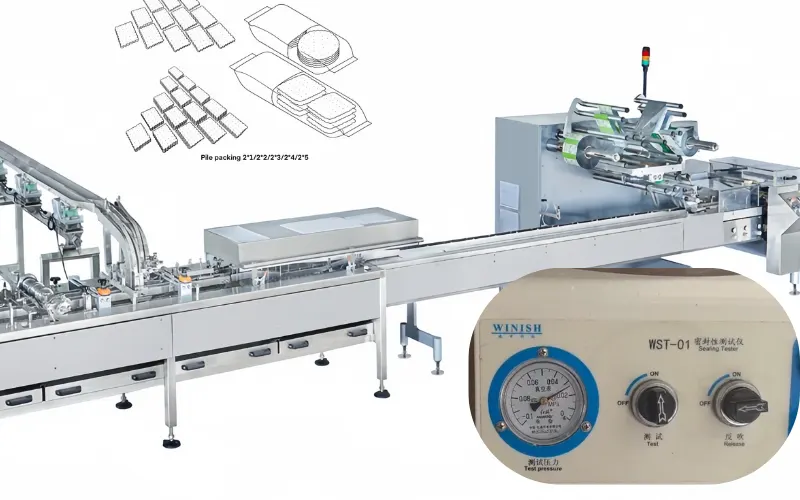
4.1 The Sandwiching Machine & Alignment System
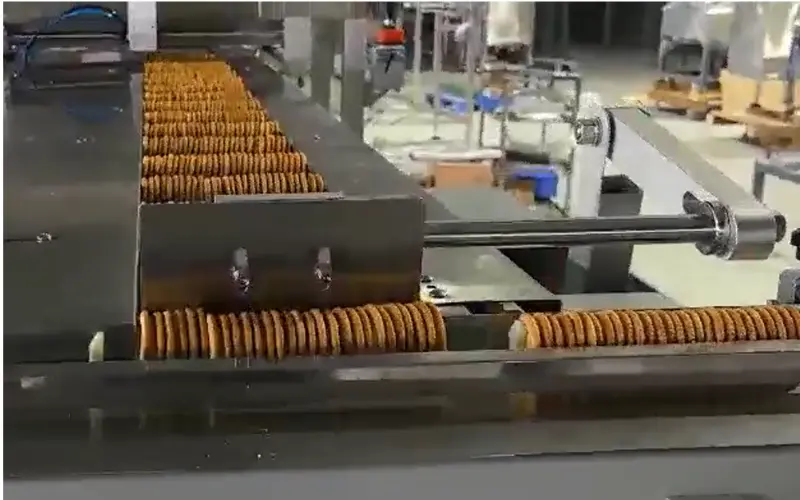
This is the heart of Bourbon biscuit production. If two biscuit shells are not perfectly aligned, or if cream overflows, the product must be downgraded.
Maintenance Focus:
Venturi & Vacuum Systems: Many high-speed sandwichers use vacuum suction to pick and place biscuit shells. Regularly cleaning vacuum filters and Venturi tubes is vital. Clogs lead to "dropped biscuits" or misplaced pick-up positions.
Timing Belt Maintenance: Sandwicher pushers are often driven by high-precision timing belts. Inspect these belts for missing teeth or wear. Any minute gap can lead to drift in biscuit pushing positions.
Vision System Hygiene: If your line is equipped with a
vision alignment system
Note: In high-speed production (e.g., 1000+ per minute), even the slightest wear deviation in timing belts is amplified. This directly leads to severe
. sandwich misalignment rates
4.2 Tunnel Oven - Balancing Energy and Quality
The
Maintenance Focus:
Oven Band Tracking System: Ensure the automatic tracking device is working correctly. A wandering band not only damages expensive mesh belts but can also cause biscuits to pile up inside the oven and catch fire.
Burner/Heating Element Cleaning: For gas ovens, regularly clean carbon deposits from burner nozzles to ensure a full blue flame. For electric ovens, check heating elements for open circuits or poor contact to prevent "cold spots" that cause uneven Bourbon coloring.
Seal Inspection: Check the sealing gaskets on oven observation windows and access doors. Heat leaks not only waste energy but also affect the ambient temperature of the workshop.
Pro Tip: Fixing just 5% of oven body heat leaks can save you thousands of dollars in energy costs annually.
4.3 Rotary Moulder
The typical rectangular appearance and pinholes of the Bourbon biscuit are formed here.
Maintenance Focus:
Scraper Knife (Doctor Blade) Condition: Check the sharpness of the scraper and its contact pressure with the moulding roll. Uneven pressure causes inconsistent biscuit thickness, which affects subsequent sandwich alignment.
Rubber Pressure Roller: Inspect the rubber roller surface for hardening, cracks, or pits. A damaged rubber roller cannot evenly press dough into the
mould
5.0 Smart Asset and Procurement Management Strategies
5.1 The ABC Spare Parts Strategy (Financial & Purchasing Perspective)
Don't wait until a part breaks to order it. Establish a scientific inventory strategy.
Class A (Critical - Must Stock On-Site): Parts where downtime causes total stoppage and lead times are long. Examples: Main sandwicher servo motor, specific PLC modules, main tunnel oven drive bearings.
Class B (Important - Recommended Stock): Parts that wear out but have predictable replacement cycles. Examples: Moulding machine canvas belts, various seals, common photo-electric sensors.
Class C (General - Purchase on Demand): Standard fasteners, common air hose fittings, and other generic parts available quickly from local hardware suppliers.
Pro Tip: For expensive Class A spares, try negotiating a "Consignment Stock" model with suppliers. The parts are stored at your factory, but you only pay when you use them, reducing capital tie-up.
5.2 Moving to the Future: Predictive Maintenance (PdM)

Upgrade from "periodic inspection" to "on-demand maintenance."
Thermal Imaging: Use a handheld thermal imager monthly to scan electrical cabinets. Abnormal hot spots are usually precursors to loose connections or imminent component failure.
Vibration Analysis: Perform quarterly vibration monitoring on large mixers and main oven fans. This can warn of catastrophic bearing failures weeks in advance.
(This is a core principle of
6.0 Frequently Asked Questions (FAQ)
Here are high-frequency questions we've compiled from real customer inquiries and industry forums:
Q1: What is the most common maintenance-related cause of misaligned cream in Bourbon production?A: It is usually due to excessive slack caused by worn
Q2: Our tunnel oven often produces uneven baking colors (burnt on one side, undercooked on the other). How can maintenance fix this?A: This is typically caused by unbalanced airflow or partial failure of heating elements. Please check if the air guide plates inside the
Q3: What percentage of total operating costs should commercial biscuit machine maintenance typically be?A: The industry benchmark is usually around 3% to 5%. However, remember that the cost of unexpected downtime due to under-investment is often 10 times higher than the maintenance budget itself. (See our
Q4: From a maintenance perspective, what should you absolutely NOT do to biscuit dough?A: You must absolutely never let dough come into contact with non-food-grade lubricants, cleaning agent residues, or metal shavings. This requires thorough cleaning verification after maintenance and strict adherence to tool accounting protocols to prevent tools from being left in mixing bowls.
Q5: What should be the frequency of preventative maintenance for a Bourbon biscuit line?A: There is no single standard; it depends on your production intensity (single, double, or triple shifts). The daily, weekly, and monthly checklists provided in this article are a universal starting point. You should dynamically adjust maintenance cycles based on the actual failure history of your equipment (tracked via a CMMS system).
7.0 Conclusion: Investing in Maintenance is Investing in the Future
Bourbon biscuit line maintenance is not an isolated technical task. It is a lifeline that runs through your entire enterprise operation. By executing the strategic maintenance plan outlined above, you do more than just extend the life of expensive commercial biscuit making machines. You significantly boost OEE. You ensure that every Bourbon biscuit rolling off the line meets your commitment to quality.
Ready to upgrade your maintenance system?
Download the Full Bourbon Biscuit Line Preventative Maintenance Checklist (PDF) - Start standardized maintenance processes immediately.
Contact Eversmart Service Experts - Book a free online line health diagnosis and let us help you identify potential downtime risks.
Learn About Our Annual Service Level Agreements (SLA) - Hand over your maintenance stress to us, so you can focus solely on market expansion.

Ready to start your journey toward a customized solution? Contact me directly on WhatsApp to begin the conversation.