An Introduction to Clean-in-Place (CIP) Systems for Cooling Conveyors
Authored by: EverSmart Engineering
With over a decade of experience integrating automated sanitation solutions into bakery production lines worldwide.
For any biscuit, cookie, or wafer factory, downtime is lost revenue. One of the largest contributors to planned downtime is the sanitation cycle. Manually cleaning large-scale equipment like cooling conveyor systems is a labor-intensive process that can consume 2-3 hours of daily production time, require multiple employees, and introduce significant safety risks.
Clean-in-Place (CIP) technology offers a revolutionary alternative. CIP systems are automated solutions that clean your cooling conveyor without disassembly, using a validated and repeatable process. For a Financial Manager or Factory Owner, this translates directly into more production hours, lower labor costs, and a higher, more consistent standard of food safety, fundamentally protecting your brand and bottom line.
What is a CIP System? The 5-Step Cycle Explained
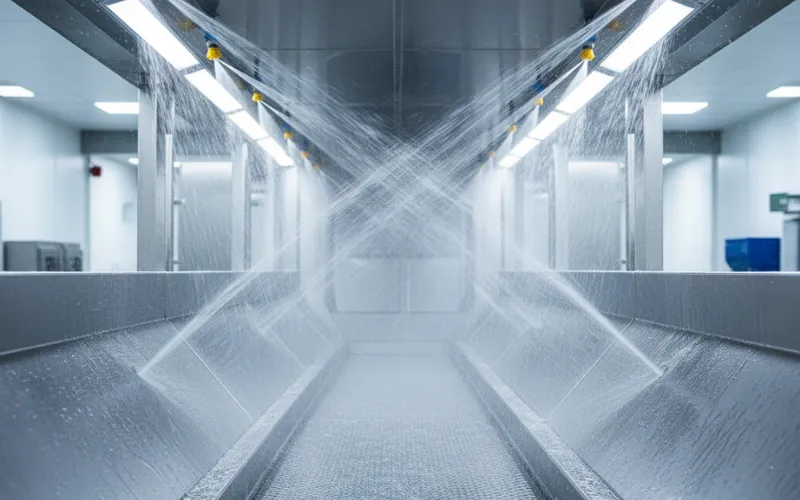
A CIP system works by circulating cleaning, rinsing, and sanitizing solutions through your cooling conveyor system via strategically placed spray nozzles. While recipes can be customized, a typical CIP cycle for a bakery environment follows this sequence:
Pre-rinse: A water rinse removes the majority of loose soils and product residue (like sugar and crumbs) from the belt and conveyor surfaces. This step is crucial as it makes the subsequent chemical wash far more effective.
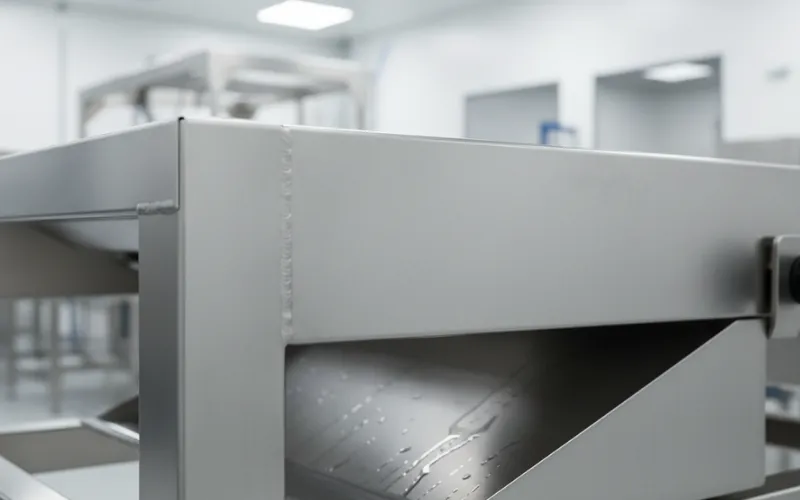
Caustic Wash: A heated alkali detergent (like sodium hydroxide) is circulated. This wash is highly effective at breaking down and dissolving fats, oils, and proteins common in bakery applications, effectively
solving persistent carryback and cross-contamination issues Intermediate Rinse: A fresh water rinse flushes out the detergent and the dissolved soils, preparing the surfaces for the next step.
Acid Rinse (Optional but Recommended): An acid wash is circulated to neutralize any remaining caustic residue and to remove mineral scale left behind by water or food products.
Final Sanitizing Rinse: A final rinse with a sanitizing agent is performed to kill and prevent the growth of bacteria and other microorganisms on the cleaned surfaces, ensuring compliance with the highest
cooling conveyor sanitation standards
The Business Case for CIP: Quantifying the Benefits
For a Financial Manager or Factory Owner, the decision to invest in CIP technology is justified by a powerful
Reduced Labor Costs
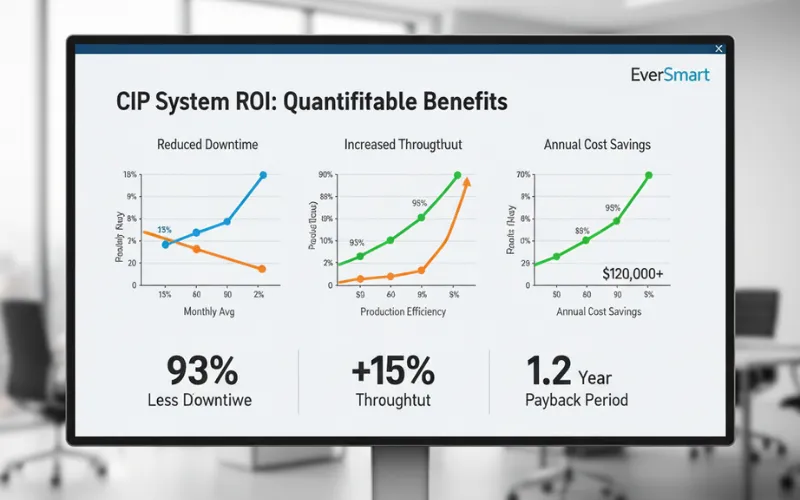
Case Study: A major wafer factory that implemented an automated cleaning system reduced its cleaning crew from 3 people working for 2 hours (6 labor-hours) to just 1 person for 15 minutes of setup and monitoring (0.25 labor-hours). This 96% reduction in cleaning labor represents a significant and immediate reduction in operational expenses.
Less Downtime = More Production
By reclaiming 1.5 to 2.5 hours of production time per day, a facility can increase its line capacity by over 15% on a 16-hour shift. For a production-limited factory, this is a direct increase in revenue potential without expanding your facility footprint.
Improved Worker Safety & Consistency
Automated cycles eliminate manual handling of harsh chemicals and the need to work around potentially dangerous machinery. The process is also perfectly repeatable, ensuring the same high standard of cleaning every time and virtually eliminating the human error that leads to
costly troubleshooting and contamination events
Is CIP Right for Your Cooling Conveyor System?
While powerful, a CIP system is a significant capital investment. Before proceeding, a Project or Engineering Manager should consider:
Equipment Design: For CIP to be effective, the cooling conveyor must be designed for it from the ground up. This includes the use of hygienic
conveyor types 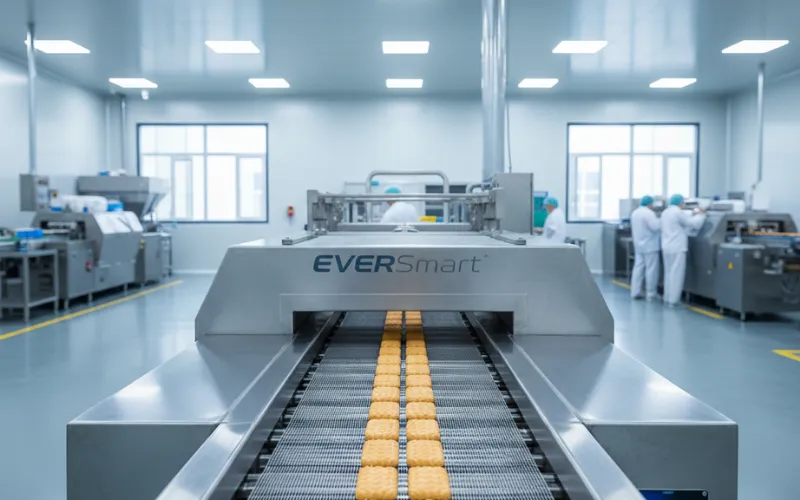
Utility Requirements: Ensure your facility has sufficient water supply, drainage capacity, and space for chemical storage tanks.
Product Type: CIP is especially valuable for lines that handle sticky products, creams, or require frequent changeovers—common in complex
spiral or multi-tier cooling systems 3
EverSmart's Approach to CIP Integration
We don't just add spray nozzles; we engineer our cooling conveyor systems for full CIP compatibility from the design phase. This foundational approach includes:
Inherently Hygienic Design: Our systems feature sloped frames, fully sealed components, and food-grade materials selected to withstand high temperatures and cleaning chemicals, exceeding basic
sanitation standards 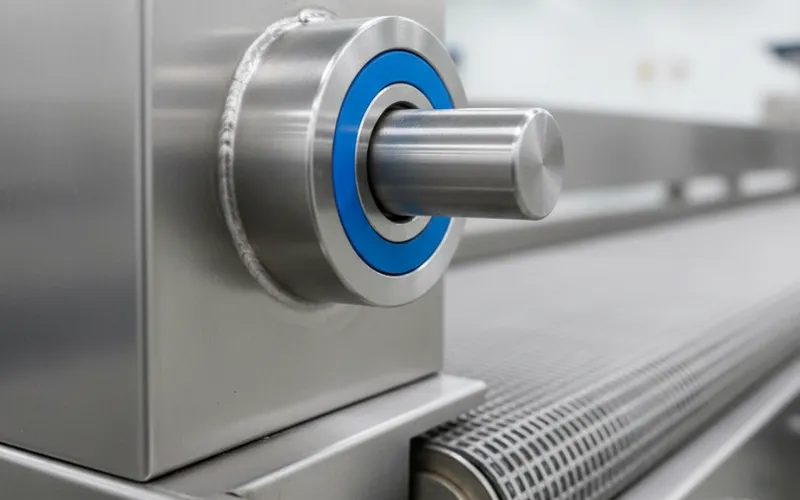
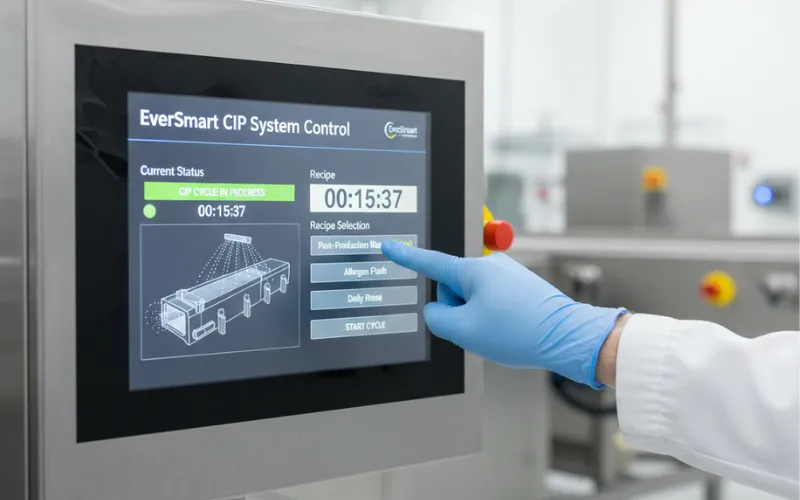
Seamless Control Integration: Our conveyor control systems are fully integrated with CIP units, allowing for recipe-driven, automated cleaning cycles controlled from a central HMI, a key feature of our modern
industrial food cooling tunnels
Transform Your Sanitation from a Cost Center to a Competitive Edge
A CIP system is not merely a cleaning tool; it is a strategic asset that enhances productivity, ensures unparalleled food safety, and provides a measurable financial return.
Ready to see how much time and money a CIP system could save your operation? Contact us to request a free, no-obligation ROI calculation tailored to your specific production line.
Sofia | Export Vice President | EverSmart
WhatsApp: +86 137 94619343
Email: [email protected]

Ready to start your journey toward a customized solution? Contact me directly on WhatsApp to begin the conversation.