Troubleshooting the 5 Most Common Cooling Conveyor Systems Problems
By the EverSmart Engineering Team
With decades of combined experience designing and servicing cooling systems for biscuit, cookie, and cracker production lines worldwide.
In a high-throughput bakery, a silent conveyor is a costly problem. For Maintenance Managers and Production Supervisors, an unexpected shutdown on a cooling conveyor system means immediate stress, production bottlenecks, and mounting financial losses that directly impact your
This first-response manual is designed to help you rapidly diagnose and resolve the most frequent issues across all
Problem 1: Belt Mistracking (The Belt is Running Off-Center)
Estimated Downtime Impact: 30-90 minutes for adjustment; 4-8 hours for belt replacement.
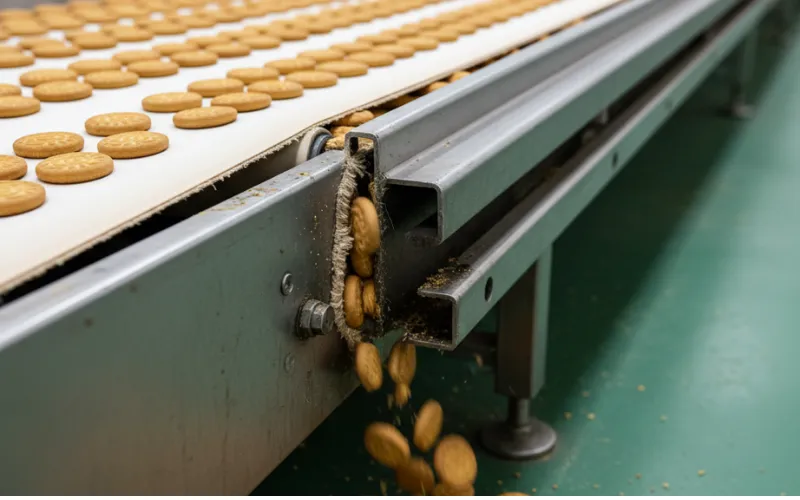
This is the most common conveyor issue, where the belt drifts to one side, rubbing against the frame, causing product spillage and edge damage.
Symptoms & Immediate Causes
Symptoms: The belt is rubbing against the frame, product is spilling, and you see visible fraying.
Primary Causes: Misaligned rollers, material buildup on pulleys, uneven belt tension, or a worn belt.
Step-by-Step Diagnostic & Fix
Identify the Mistrack Point: Observe where the belt starts to drift. The cause is usually a component just before this point.
Check and Clean Rollers: After a safe lockout, clean any product residue from rollers and pulleys. Even a small buildup, often a result of overlooked
sanitation standards , can force the belt off track.Adjust the Tracking Rollers: Turn the adjustment bolts on the roller end opposite the side the belt is drifting towards. Use small, quarter-turn increments.
Inspect the Belt: If adjustments fail, check if the belt has permanent stretching or if the splice is not perfectly square.
EverSmart Pro Tip: "Track the belt, not the roller." Follow the belt's path to find the true point of misalignment. A common mistake is over-adjusting the main pulleys when the real issue is a single dirty idler roller. Chronic mistracking is a key sign your system needs a professional review—
Problem 2: Belt Slippage
Estimated Downtime Impact: 15-45 minutes for adjustment; 2-4 hours for pulley re-lagging.
Slippage occurs when the drive motor runs but the belt moves slowly or not at all, often with a loud squeal. This halts production and strains the motor.
Symptoms & Immediate Causes
Symptoms: The drive motor is running but the belt is not moving at the correct speed. A burning smell may be present.
Primary Causes: Insufficient tension, worn pulley lagging, grease/oil on the pulley, or an overloaded conveyor.
Step-by-Step Diagnostic & Fix
Check Belt Tension: Use the "deflection method"—the belt should not sag more than 2% of the distance between rollers.
Inspect Drive Pulley: Check if the pulley lagging is worn smooth—an issue that a routine
preventative maintenance checklist is designed to identify early.Verify Load: Ensure the product infeed rate has not increased beyond the system's design capacity.
Problem 3: Product Blockages and Jams
Estimated Downtime Impact: 15-60 minutes, plus product loss and potential damage to fragile wafers or crackers.
Product pile-ups, especially at transfer points, can quickly halt production and damage fragile baked goods.
Symptoms & Immediate Causes
Symptoms: Product is piling up at transfer points or along the belt.
Primary Causes: Incorrect transfer point gap, speed mismatch with other equipment, or guide rail misalignment.
Step-by-Step Diagnostic & Fix
Locate the Jam Point: Jams almost always occur at a transfer point between two conveyors.
Check Transfer Plate Gap: The gap should be 3-5mm and the plate should never touch the receiving belt.
Verify Line Synchronization: The receiving conveyor must run at least 10-15% faster than the delivering conveyor.
EverSmart Experience: Many of these issues are eliminated in modern systems. We integrate our
Problem 4: Inconsistent Product Cooling
Estimated Business Impact: Reduced shelf life, customer complaints, and entire batches of out-of-spec product.
Uneven cooling compromises quality and leads to condensation in packaging.
Symptoms & Immediate Causes
Symptoms: Some products are cool while others are warm; condensation is visible in the final packaging.
Primary Causes: Blocked airflow (clogged filters/plenums), a failed fan motor, or incorrect ambient conditions.
Step-by-Step Diagnostic & Fix
Check Airflow: Feel for consistent air coming from all nozzles or plenum openings.
Inspect Filters and Ducts: Clean any blockages. This crucial step is a key part of any effective
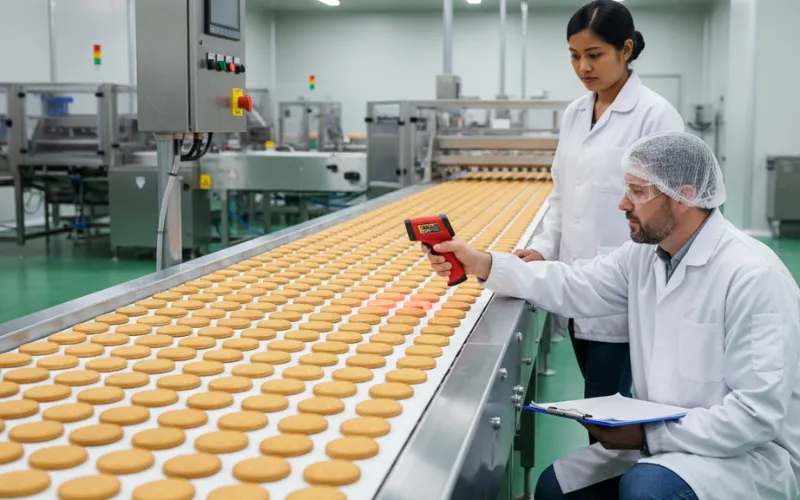
maintenance program .Monitor Temperatures: Use a laser thermometer to profile the temperature across the entire belt.
Evaluate Capacity: If problems persist, your linear conveyor may be undersized. High-efficiency
spiral or multi-tier cooling systems can provide up to 50% more cooling capacity in the same floor space.
Problem 5: Overheating Motors & Unusual Noises
Estimated Downtime Impact: 2-8 hours for bearing replacement; significant cost if a motor burns out completely.
Grinding or squealing sounds are early warnings of mechanical failure that must be addressed immediately to avoid catastrophic damage.
Symptoms & Immediate Causes
Symptoms: Grinding or squealing sounds; unusually hot motor housings.
Primary Causes: Worn bearings, lack of lubrication, misaligned drives, or a mechanical obstruction.
Step-by-Step Diagnostic & Fix
Locate the Sound: Use a mechanic's stethoscope to pinpoint the source.
Check Bearings: Noisy or rough-running bearings are the most common culprit and should be scheduled for replacement.
Verify Lubrication: Refer to the manufacturer's manual and your maintenance log for the correct lubricant.
Check for Obstructions: After a safe lockout, check for any foreign objects caught in the mechanism.
From Reactive Fixes to Proactive Prevention: A Strategic Path Forward
While this guide helps you solve problems as they occur, the best strategy is to prevent them entirely.
To shift from reacting to preventing, we recommend:
Implement a Structured Maintenance Plan: Start with our
comprehensive preventative maintenance checklist to catch issues before they cause downtime.Enhance Sanitation Protocols: Ensure your cleaning procedures align with our guide on
cooling conveyor sanitation standards to avoid issues like material buildup.Consider Modernization: If you are constantly troubleshooting an older system, the problem may be the equipment itself. Modern
automated cooling tunnels withCIP systems are engineered to eliminate these common pain points.
Still Need Help? Get a Free Remote Diagnostic Session
If these fixes don't resolve the issue, or if problems are chronic, our engineers can help you diagnose it remotely, saving you costly on-site service calls.
How it works:
Record a short video of the problem (e.g., the belt mistracking, the motor sound).
Contact us on WhatsApp and send the video.
We'll schedule a 30-minute video call with our engineer to help you pinpoint the solution.
Sofia | Export Vice President | EverSmart
WhatsApp: +86 137 94619343
Email: [email protected]
Expertise You Can Trust: This guide was compiled by the EverSmart Engineering Team, drawing on decades of field experience solving real-world production problems in bakeries like yours. When you contact us, you're connecting directly with the experts who design and refine these systems.

Ready to start your journey toward a customized solution? Contact me directly on WhatsApp to begin the conversation.