Speed-Up Conveyor Dynamics: The Definitive Guide to Gapping & Phasing
I. Introduction: Mastering the Art of the Gap
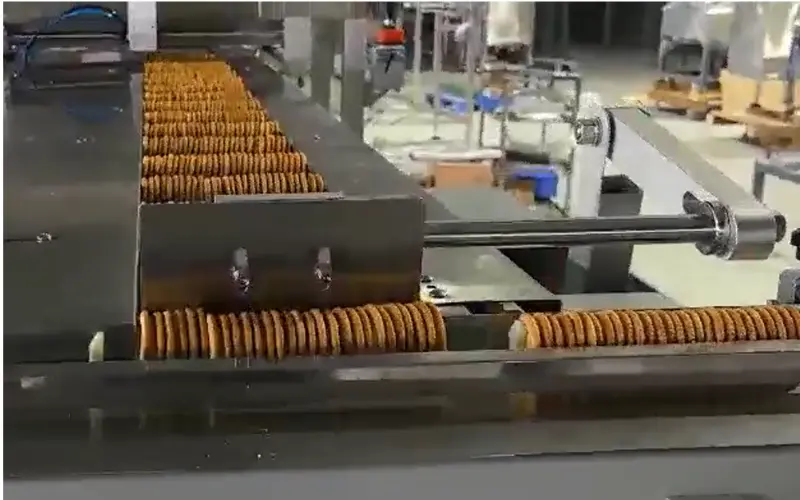
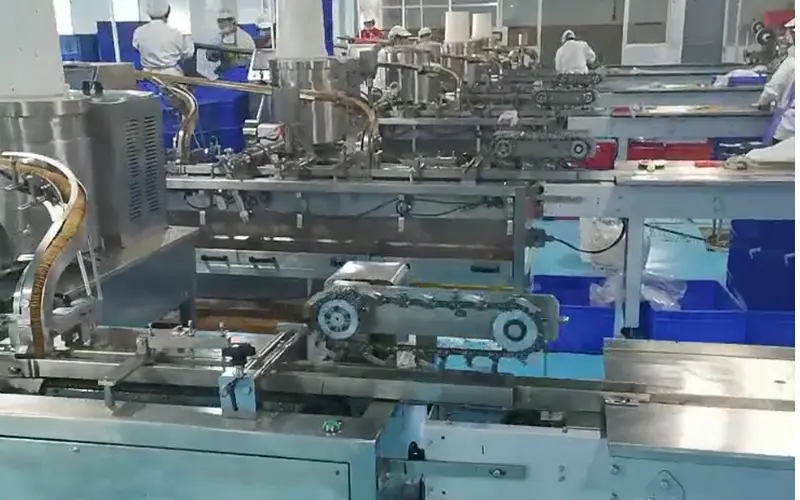
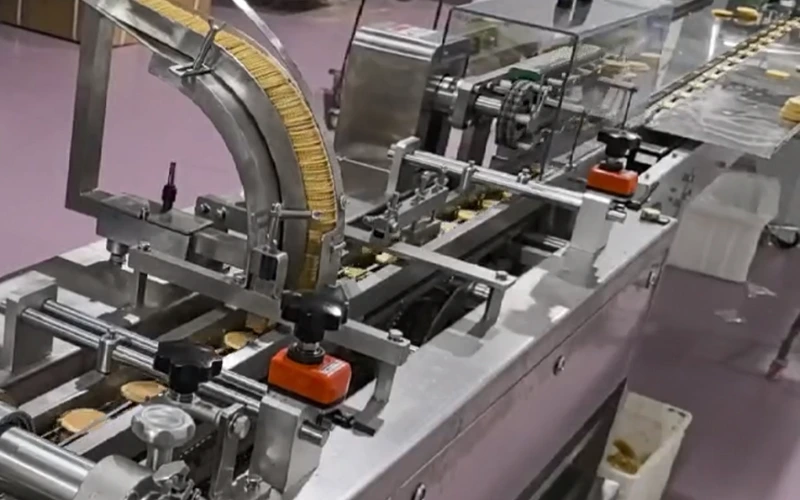
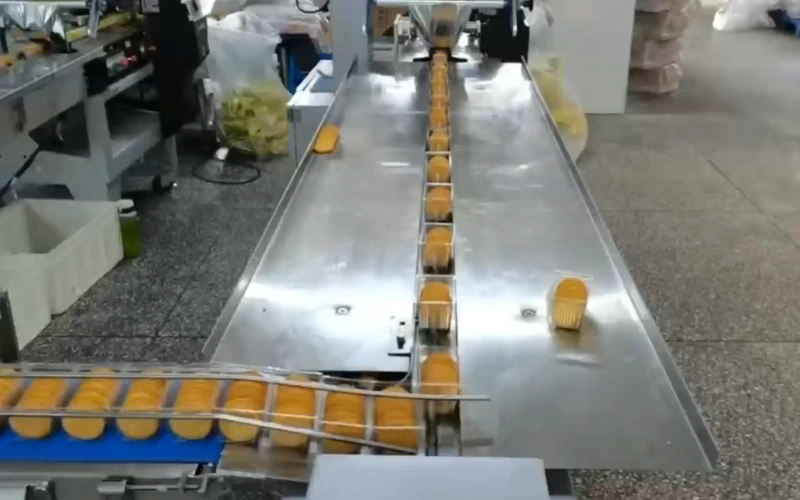
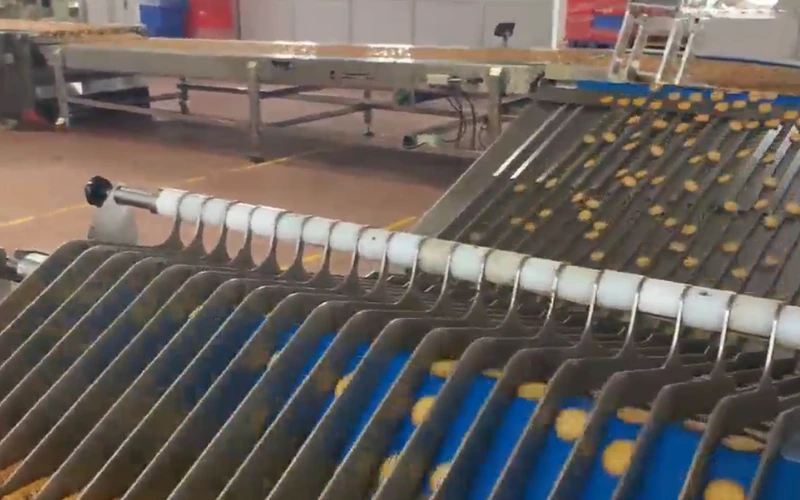
In the high-stakes arena of modern industrial food production, particularly within the biscuit conveyor sector, throughput is king. However, the true bottleneck of production efficiency is rarely the baking speed of the oven itself. Instead, the limitation almost always lies in the downstream capability to manage the product flow—specifically, whether the packaging line can accept the product as fast as the oven can produce it.
This critical interface brings us to a fundamental engineering concept known as "Gapping."
Core Definition:Speed-Up Conveyors (also known in the industry as Accelerating Conveyors, Phasing Conveyors, or Gapping Belts) are specialized dynamic transport systems designed to manipulate product spacing through momentum.
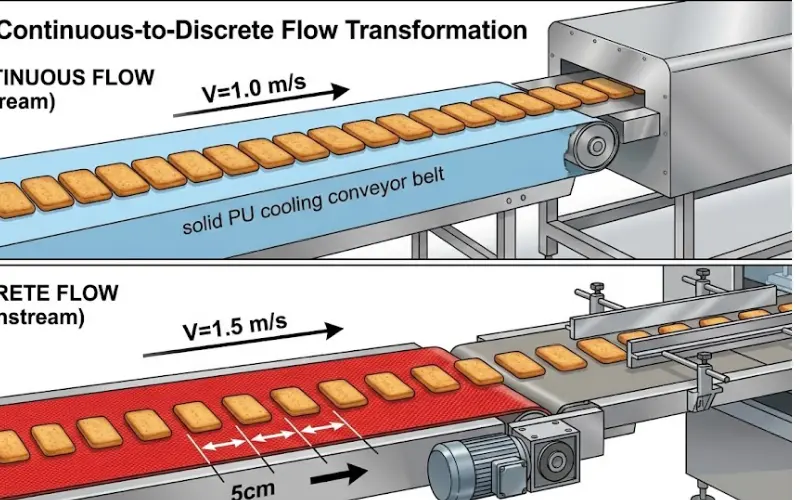
By precisely controlling the velocity of the downstream speed up conveyor belt to be significantly higher than the upstream supply belt (typically creating a ratio of 1.2:1 to 1.5:1), these systems generate instantaneous separation. They physically pull a continuous, touching stream of biscuits apart to form precise, consistent gaps.
This dynamic control is the absolute physical foundation required for backend automation, ensuring zero jams and high
Why Gapping is the Lifeline of Packaging
Most industrial
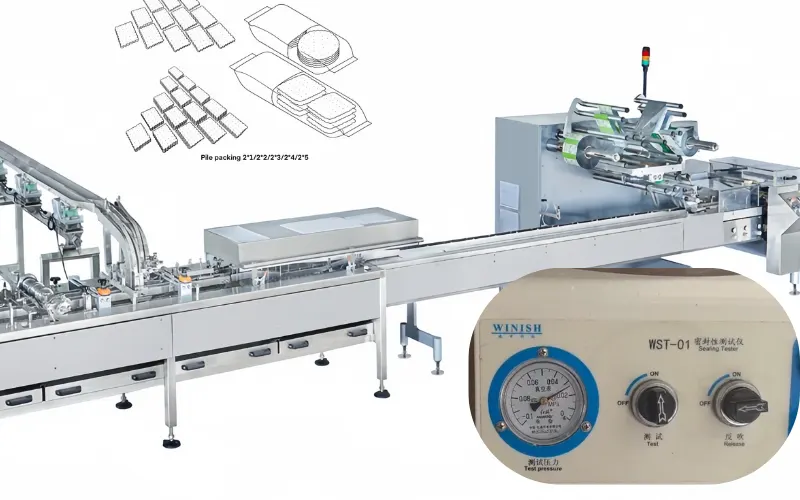
From Continuous to Discrete:The cross-seal jaws of a horizontal flow wrapper operate on a fixed cycle. They require a clearly defined "safety window" of empty space to cut and seal the film. If you fail to pull a sufficient gap, the jaws will inevitably come down on the product itself.
The Functional Necessity of Space:Creating a gap enables the entire ecosystem of automation to function correctly.
Metal Detectors require physical spacing to isolate the signal.
Rejection Systems need a time window to fire an air jet. A
precision rejection conveyor
The Economics of Millimeters
For Factory Owners and CFOs, the speed up conveyor is a tool for cost reduction. This brings us to the concept of "The Economics of Millimeters."
ROI Calculation Model:Let us assume a single high-speed production line produces 50 million packs of biscuits per year. By implementing a high-precision servo speed up conveyor, you can reduce the standard deviation of the product pitch from ±5mm to ±1mm. This allows you to shorten the cut-off length of every bag by 2mm.
The Calculation:
This equals 100 kilometers (62 miles) of packaging film saved every single year, on just one line.
🔑 Key Takeaways
Gap Equals Efficiency: The Speed-Up Conveyor translates "continuous flow" into "discrete flow."
Physics Limitations: Acceleration is strictly limited by the static coefficient of friction. Exceeding this causes slippage and chaos.
Precision Math: A gap is not created by random speed increases; it is the result of a precise Speed Ratio.
Significant ROI: High-precision gapping reduces packaging film length, saving tens of thousands of dollars annually.
II. Gapping Dynamics: Physics Principles and Mathematical Models
To design a flawless how to speed up conveyor system, an engineer must respect the laws of physics. It is not as simple as turning a dial on a VFD. You are managing kinetic energy, friction, and inertia.
1. The Differential Equation
The creation of a gap is purely a function of the velocity difference between two adjacent belts.
The Fundamental Formula:
Gap: Target empty space length.
Lproduct: Physical length of the biscuit.
Vout: Velocity of the downstream (acceleration) belt.
Vin: Velocity of the upstream (feed) belt.
Application Analysis:If your biscuit is 50mm long and you need a 25mm gap:
This means the speed up conveyor belt must run at exactly 1.5 times the speed of the upstream belt. In practical application, verifying this requires
2. The Friction Threshold
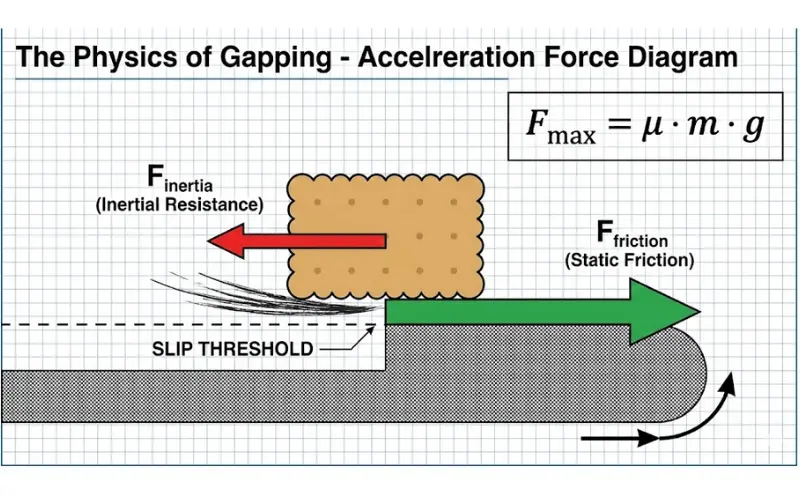
This is the most common trap for mechanical engineers. You cannot demand infinite acceleration.
The Risk of Slippage:According to
The Physical Limit:
If you program an acceleration rate where the required force (ma) exceeds the available friction (μmg), the biscuit will slip. Once slippage occurs, your gap calculation becomes useless.
Engineering Solutions:
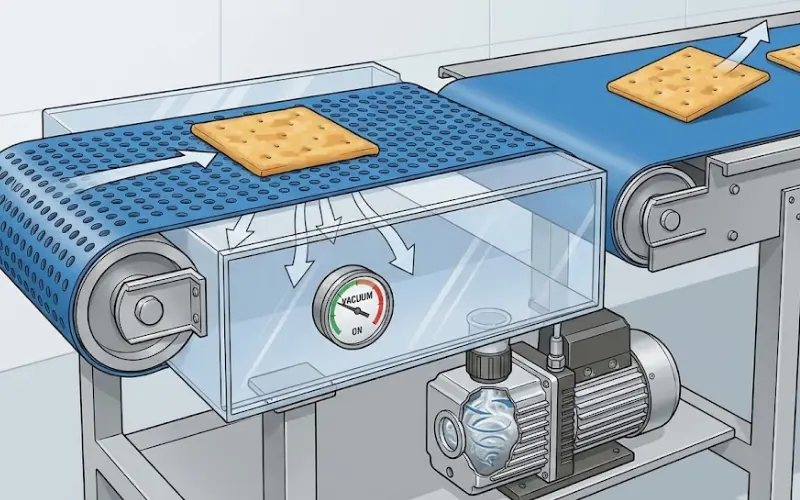
High Friction Belts: Specify a
conveyor belt material Vacuum Belts: Artificially increase the normal force () to allow higher acceleration without slippage.
3. Stability and Aerodynamics
Tipping Issues:When accelerating a tall product, inertia creates rotational torque. To prevent tipping, use a Multi-stage Speed-up system (three sequential belts) to smooth the jerk profile.
The Flight Effect:For lightweight items like soda crackers, speeds over 60m/min create
III. Core Hardware and Intelligent Control Architectures
Hardware determines capability; control logic determines consistency.
1. Drive Systems: VFD vs. Servo
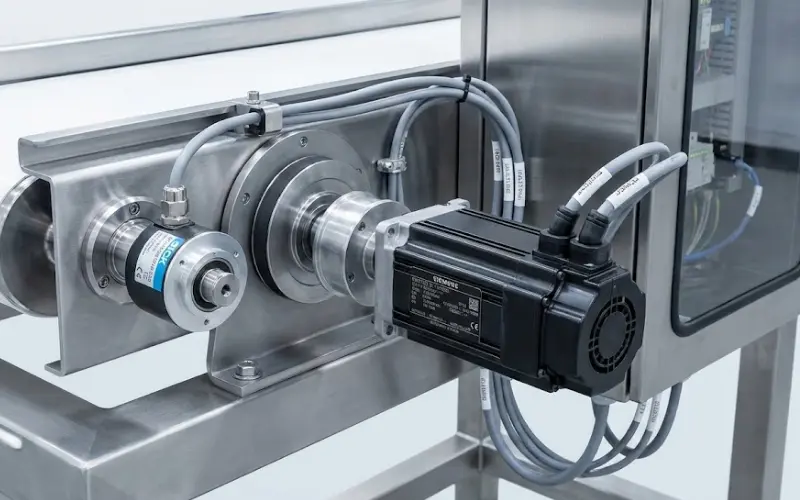
Variable Frequency Drives (VFDs):
Ideal Scenario: Simple "Pulling a Gap" for metal detectors.
The Limitation: VFDs suffer from "slip" and cannot guarantee precise phase positioning.
Servo Motors:
Ideal Scenario: Complex "Smart Phasing" and high-precision conveyor gap calculation.
The Advantage: A servo motor allows for closed-loop position control, adjusting velocity profiles in milliseconds.
Deep Tech: Electronic Gearing:In high-end systems, we use a "Virtual Master" axis in the PLC. The upstream belt, the speed-up belt, and the packaging machine all subscribe to this virtual master, locking their motion profiles together mathematically.
Learn more about drive selection in our guide:
. Conveyor Synchronization: VFD vs Servo
2. Sensors and Closed-Loop Feedback
Photo-Eyes:You must use high-speed sensors (response <1ms) to detect the "Leading Edge" and "Trailing Edge" of every product.
Encoders:Encoders are essential for how to measure conveyor speed accurately. Do not rely on drive frequency. Install high-resolution rotary encoders on the idler pulleys to measure the actual physical surface speed, compensating for micro-slippage.
3. Belt Materials and Transitions
Seamless Splicing:The belt must be endless (vulcanized). Mechanical clips are unacceptable as they create vibrations that launch lightweight biscuits.
Nose Bar Transitions:We typically specify
IV. Critical Application Scenarios Analysis
1. Smart Belt / Chicane Systems
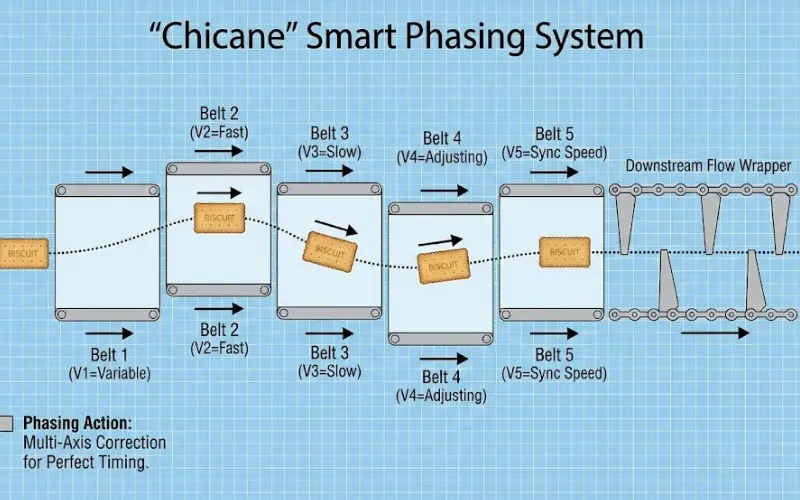
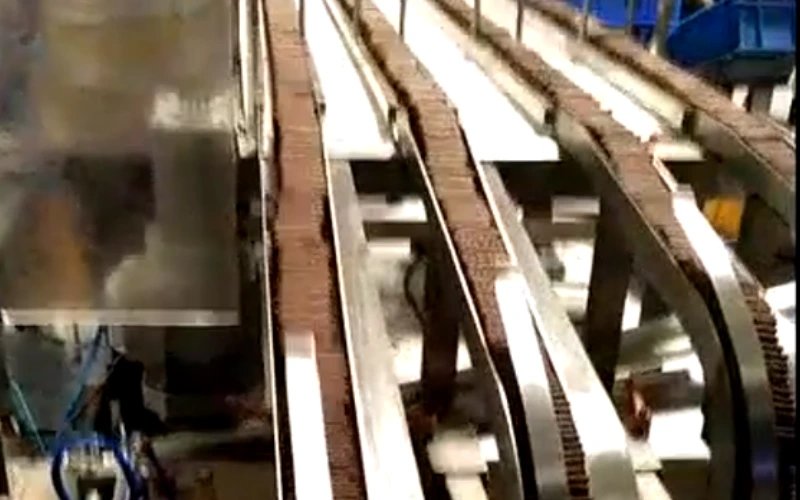
In advanced layouts, a battery of 3 to 5 servo belts (Chicane system) automatically corrects disorderly product flow.
Function: Automatically shifts product position forward or backward to synchronize with the wrapper flight.
No Product, No Bag Logic: If a gap is too large, it signals the wrapper to "Skip a Cycle," saving film.
2. Gapping for Rejection
In almost every food line, there is a Metal Detector or X-Ray system followed by a rejector.
The Problem: If biscuits are touching, the rejector will blow away good products along with the bad one.
The Solution: Place a speed-up belt before the inspection zone to create a 50mm "Safety Buffer Zone."
See how this integrates with rejection hardware in our
. Discharge Conveyor Auto-Rejection Guide
V. Troubleshooting and Maintenance: Lowering TCO
1. Gapping Drift
The Phenomenon: Spacing is perfect in the morning but drifts after 2 hours.
Belt Stretch: Heat causes elongation. Check automatic tensioners.
Lagging Wear: If drive pulley lagging wears down, the effective diameter decreases, causing speed errors.
2. The Hygiene-Grip Paradox
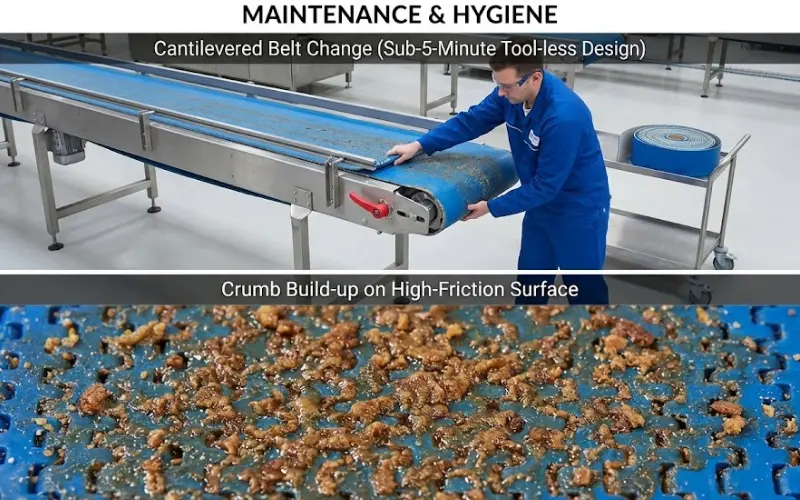
The Pain Point: High-friction belts act like magnets for oil and crumbs. Once coated in oil, the coefficient of friction drops, and biscuits slip.
Solution: Install continuous scrapers and select belts with "Negative Pyramid" textures that maintain mechanical grip even when oily.
3. Quick-Change Design
The acceleration belt is the highest-wear belt on the line.Procurement Advice: Demand a Cantilevered Design. This allows a technician to slide the old belt off the side in under 5 minutes without tools.
VI. Buyer's Guide: The Selection Checklist
Use this 5-point interrogation checklist to ensure you are getting a production-ready solution:
Synchronization Tech: Does the system support true "Electronic Gearing"?
G-Force Limits: Has the supplier calculated the maximum acceleration force to prevent product flight?
Maintenance Speed: Is the belt change truly Tool-less (Cantilevered)?
Product Handling: Does the design include vacuum hold-down for lightweight products?
Data Connectivity: Does the controller support EtherNet/IP for real-time data harvesting?
VII. Frequently Asked Questions (FAQ)
Q1: How do I calculate the required speed-up ratio?A: The formula is . For example, if your product is 100mm long and you need a 50mm gap, the ratio is 1.5.
Q2: Why do my biscuits rotate (skew) when they hit the speed-up belt?A: This is usually due to uneven friction (oil on one side of the belt) or an unlevel
Q3: What is the fundamental difference between a Servo and a VFD for this application?A: A VFD controls Velocity (good for simple Gapping). A Servo controls Position (mandatory for Phasing/Wrapper synchronization).
Q4: Why does my product pitch drift over the course of a shift?A: Thermal Expansion of the belt or wear on the encoder wheel. Switch to hollow-shaft encoders mounted directly on the pulley shaft for accuracy.
VIII. Conclusion: Speed is Profit
Speed-Up Conveyors are the unsung heroes of the production line. They serve as the translator between the language of "Baking" (Continuous Flow) and the language of "Packaging" (Discrete Flow).
A well-engineered gapping system eliminates micro-stops, significantly reduces packaging film waste, and protects the visual integrity of your brand. It is the most valuable "Hidden Profit Center" on your factory floor.
Ultimate CTA
Are you ready to optimize your packaging line infeed?
Whether you need to perform a complex screw conveyor speed calculation or design a high-speed biscuit conveyor interface.

Ready to start your journey toward a customized solution? Contact me directly on WhatsApp to begin the conversation.